



















Gjør som tusenvis av andre bokelskere
Abonner på vårt nyhetsbrev og få rabatter og inspirasjon til din neste leseopplevelse.
Ved å abonnere godtar du vår personvernerklæring.Du kan når som helst melde deg av våre nyhetsbrev.

In our modern world, supermarkets and grocery stores offer an abundance of Fruits, neatly arranged in colorful displays.Shoppers have access to a vast array of options, from leafy greens to vibrant bell peppers, without giving much thought to where or how these vegetables were grown. The convenience of purchasing fruits at the local store often overshadows the question of their origin, the conditions under which they were cultivated, and the use of chemical additives to maintain their freshness.The reality is that most fruits available in stores today are products of industrial-scale agriculture. They are typically grown in large monoculture fields, where the focus is on maximizing yield and profit. While this approach may provide an abundance of vegetables, it often comes at a cost to the environment and the quality of the produce.One of the major concerns in industrial agriculture is the extensive use of chemical fertilizers and pesticides. These chemicals are applied to enhance crop growth, control pests, and increase shelf life. While they may yield visually appealing fruits that remain fresh for an extended period, they can have adverse effects on both the environment and human health. Runoff from these chemicals can pollute waterways, harm wildlife, and disrupt ecosystems. Moreover, residual pesticides on vegetables can be harmful when consumed, contributing to concerns about food safety.In contrast to mass-produced fruits, there's a growing movement towards cultivating produce at home. Home gardening allows individuals to take control of their food supply, ensuring that the vegetables they consume are free from harmful chemicals. Here are some reasons why growing your fruits at home can be a preferable alternative: Quality Assurance: When you grow your fruits, you have full control over the growing conditions. You can choose organic methods and avoid the use of harmful chemicals, resulting in healthier, more nutrient-rich produce.Taste and Freshness: Homegrown fruits often have superior flavor and freshness compared to store-bought counterparts. They can be picked at the peak of ripeness, retaining their full taste and nutritional value.Environmental Benefits: Home gardening reduces the carbon footprint associated with transporting vegetables from distant farms to stores. It also promotes biodiversity and can contribute to local ecosystem health.Educational Value: Gardening provides an opportunity to connect with nature, learn about plant biology, and develop valuable skills. It's an excellent way to teach children about food sources and sustainability.Cost Savings: While there may be initial setup costs for gardening equipment and seeds, homegrown vegetables can ultimately save you money on grocery bills.Peace of Mind: Knowing exactly where your food comes from and how it's grown can provide a sense of security and satisfaction that store-bought produce often lacks.In conclusion, while the convenience of purchasing fruits at stores is undeniable, there are significant advantages to growing your own produce at home. By doing so, you can ensure that your fruits are natural, free from harmful chemicals, and grown under conditions that align with your values. Whether you have a small balcony, a backyard garden, or even just some windowsill space, home gardening can be a rewarding and environmentally responsible choice. It's a step towards a more sustainable and healthy way of nourishing yourself and your family.Therefore, I recommend that you choose this path, which will improve your health and give you a new hobby.
In our modern world, supermarkets and grocery stores offer an abundance of Fruits, neatly arranged in colorful displays.Shoppers have access to a vast array of options, from leafy greens to vibrant bell peppers, without giving much thought to where or how these vegetables were grown. The convenience of purchasing fruits at the local store often overshadows the question of their origin, the conditions under which they were cultivated, and the use of chemical additives to maintain their freshness.The reality is that most fruits available in stores today are products of industrial-scale agriculture. They are typically grown in large monoculture fields, where the focus is on maximizing yield and profit. While this approach may provide an abundance of vegetables, it often comes at a cost to the environment and the quality of the produce.One of the major concerns in industrial agriculture is the extensive use of chemical fertilizers and pesticides. These chemicals are applied to enhance crop growth, control pests, and increase shelf life. While they may yield visually appealing fruits that remain fresh for an extended period, they can have adverse effects on both the environment and human health. Runoff from these chemicals can pollute waterways, harm wildlife, and disrupt ecosystems. Moreover, residual pesticides on vegetables can be harmful when consumed, contributing to concerns about food safety.In contrast to mass-produced fruits, there's a growing movement towards cultivating produce at home. Home gardening allows individuals to take control of their food supply, ensuring that the vegetables they consume are free from harmful chemicals. Here are some reasons why growing your fruits at home can be a preferable alternative: Quality Assurance: When you grow your fruits, you have full control over the growing conditions. You can choose organic methods and avoid the use of harmful chemicals, resulting in healthier, more nutrient-rich produce.Taste and Freshness: Homegrown fruits often have superior flavor and freshness compared to store-bought counterparts. They can be picked at the peak of ripeness, retaining their full taste and nutritional value.Environmental Benefits: Home gardening reduces the carbon footprint associated with transporting vegetables from distant farms to stores. It also promotes biodiversity and can contribute to local ecosystem health.Educational Value: Gardening provides an opportunity to connect with nature, learn about plant biology, and develop valuable skills. It's an excellent way to teach children about food sources and sustainability.Cost Savings: While there may be initial setup costs for gardening equipment and seeds, homegrown vegetables can ultimately save you money on grocery bills.Peace of Mind: Knowing exactly where your food comes from and how it's grown can provide a sense of security and satisfaction that store-bought produce often lacks.In conclusion, while the convenience of purchasing fruits at stores is undeniable, there are significant advantages to growing your own produce at home. By doing so, you can ensure that your fruits are natural, free from harmful chemicals, and grown under conditions that align with your values. Whether you have a small balcony, a backyard garden, or even just some windowsill space, home gardening can be a rewarding and environmentally responsible choice. It's a step towards a more sustainable and healthy way of nourishing yourself and your family.Therefore, I recommend that you choose this path, which will improve your health and give you a new hobby.
es una guÃa concisa y fácil de usar que introduce a los fotógrafos principiantes en el encantador mundo de los primeros planos extremos. Este libro proporciona un punto de entrada rápido y accesible al arte de capturar detalles intrincados, siendo perfecto para aquellos que dan sus primeros pasos en la fotografÃa macro. Desde la elección del equipo adecuado hasta el dominio de las técnicas esenciales, este recurso ofrece consejos prácticos e ideas creativas para ayudar a los principiantes a descubrir la belleza oculta en sujetos cotidianos.Parte Uno: IntroducciónIntroducción a la FotografÃa MacroLa Importancia de la FotografÃa Macro en el Mundo de la FotografÃaParte Dos: Conceptos Básicos y EquipoCámaras y Objetivos Adecuados para la FotografÃa MacroAccesorios Esenciales para la FotografÃa MacroComprender la Distancia Focal y su Impacto en la FotografÃa MacroParte Tres: Técnicas de FotografÃa MacroTécnicas de Enfoque en la FotografÃa MacroExposición Adecuada en la FotografÃa MacroTécnicas de Iluminación para Capturar Imágenes DistintivasParte Cuatro: Temas y DesafÃosCapturar Flores y Plantas Utilizando Técnicas MacroEl Arte de Fotografiar Insectos y Pequeñas CriaturasFotografÃa Macro de Patrones y Detalles Finos
The book "How to Grow, Care, Manage, and Use Acorn Squash for Profit" is a comprehensive guide that delves into the intricacies of cultivating and commercializing acorn squash, offering valuable insights for both novice and experienced farmers alike. The book begins with an enlightening introduction to acorn squash, laying the groundwork for readers to understand the crop's characteristics and potential profitability. It then navigates through the crucial aspects of planningThe subsequent chapters delve into the practicalities of acorn squash cultivation, from acquiring and planting seeds to fostering the growth of healthy plants and implementing seasonal care practices.The book recognizes the importance of marketing in a profitable agricultural venture, so it devotes an entire chapter to strategies for marketing and selling acorn squash. It goes beyond the basics, offering insights into branding, market trends, and effective sales techniques. Additionally, a chapter on value-added products and processing introduces readers to opportunities for diversifying their offerings and increasing profitability.The book concludes with a forward-thinking chapter that examines future trends and innovations in the acorn squash industry, providing readers with the knowledge they need toIn essence, "How to Grow, Care, Manage, and Use Acorn Squash for Profit" is an indispensable resource for individuals seeking not only to cultivate a successful acorn squash farm, but also to turn their agricultural endeavors into a profitable and sustainable business.The meticulously organized content, coupled with practical insights, transforms this book into an invaluable guide for those looking to harness the full potential of acorn squash cultivation.
How to Grow, Care, Manage, and Use Globe Artichoke for Profit" is a comprehensive guide that proves invaluable for individuals looking to delve into the profitable world of cultivating and commercializing globe artichokes.The book serves as an essential resource for both novice and experienced growers, providing a holistic approach to understanding every aspect of globe artichoke cultivation and business management.The first chapter introduces readers to the world of globe artichokes, offering a foundational understanding of their characteristics and significance.Subsequent chapters delve into the various aspects of successful cultivation, covering topics such as varieties, site selection, soil preparation, planting techniques, and propagation methods. The book goes beyond basic cultivation practices by addressing essential growing techniques and seasonal care.The book's focus on maximizing yield through effective harvesting techniques is a standout feature, and readers gain insights into optimizing the harvest for both quantity and quality, further enhancing the profitability of their ventures. Additionally, the inclusion of chapters on value-added products and processing opens avenues for diversification, allowing growers to explore additional streams of income beyond fresh produce.The guide expands its scope into marketing and sales, providing readers with strategies for effectively positioning and selling their products in the market. The addition of financial management and planning emphasizes the importance of a well-rounded business approach in ensuring long-term profitability.In essence, "How to Grow, Care, Manage, and Use Globe Artichoke for Profit" is an indispensable manual for those seeking success in the globe artichoke industry.By encompassing all aspects of cultivation, processing, marketing, and financial management, this book provides a comprehensive roadmap for turning a passion for globe artichokes into a profitable and sustainable business venture.
How to Grow, Care, Manage, and Use Horseradish for Profit" is an invaluable guide for individuals interested in establishing a successful horseradish farming venture. The book provides a comprehensive overview of the cultivation process, offering insights into the nuances of horseradish farming from inception to profitability. The book begins with an introduction to horseradish cultivation and gradually delves into the essential aspects of getting started with horseradish.One of the book's key strengths lies in its detailed guidance on harvesting horseradish, ensuring that readers acquire the necessary skills for a successful yield. Additionally, the book explores the profitability potential of horseradish by addressing the intricate processes involved in its processing for commercial purposes. Readers are guided on creating value-added horseradish products, which unlocks additional avenues for revenue generation.The book's emphasis on the business and financial aspects of horseradish farming is a standout feature. It provides essential insights into strategic planning, financial management, and business development, equipping readers with the tools needed for a sustainable and profitable venture. The guide also delves into effective marketing strategies tailored to the horseradish industry, empowering readers to successfully promote their businesses.The book "How to Grow, Care, Manage, and Use Horseradish for Profit" is a valuable resource for aspiring horseradish farmers, as it combines practical advice with real-life examples to help them navigate potential obstacles and capitalize on opportunities. The inclusion of chapters on challenges and success stories adds a realistic perspective to the book, providing readers with a well-rounded understanding of the horseradish industry.
Arе you еаgеr tо сultіvаtе уоur оwn grееn oasis but lіmіtеd by ѕрасе оr rеѕоurсеѕ? Dіvе іntо thе world оf соntаіnеr gardening аnd unlосk thе potential оf уоur home, bаlсоnу, оr small outdoor. Thіѕ соmрrеhеnѕіvе guіdе is your раѕѕроrt tо a flоurіѕhіng gаrdеn, rеgаrdlеѕѕ of your gardening еxреrіеnсе or available space. Dіѕсоvеr thе art оf соntаіnеr gаrdеnіng with ѕtер-bу-ѕtер guidance tаіlоrеd еxрlісіtlу fоr beginners. From ѕеlесtіng the реrfесt соntаіnеrѕ аnd soil tо choosing the rіght рlаntѕ аnd nurturing thеm thrоugh еvеrу grоwth ѕtаgе, this bооk is уоur companion through thе еntіrе journey. Unеаrth thе ѕесrеtѕ of ѕuссеѕѕful container gаrdеnіng with tірѕ оn optimal sunlight exposure, watering schedules, аnd plant саrе essentials. "CONTAINER GARDENING FOR BEGENERS" doesn't juѕt оffеr instructions-it іnvіtеѕ уоu on аn immersive gardening еxреrіеnсе. Engаgіng іlluѕtrаtіоnѕ and vіvіd descriptions brіng each gardening соnсерt tо life, mаkіng іt еаѕу to vіѕuаlіzе аnd іmрlеmеnt уоur own mіnіаturе Edеn. Whеthеr you dream of аrоmаtіс hеrbѕ in thе kitchen, vibrant flowers adorning уоur bаlсоnу, оr frеѕh vegetables еnhаnсіng your mеаlѕ, thіѕ bооk empowers уоu tо turn thоѕе drеаmѕ іntо a rеаlіtу. But this isn't juѕt a guіdе-іt'ѕ аn invitation to jоіn a соmmunіtу оf like-minded gardening еnthuѕіаѕtѕ. Embrасе thе jоу of growing уоur оwn grееn ѕрасе аnd соnnесt wіth оthеrѕ thrоugh ѕhаrеd еxреrіеnсеѕ, trоublеѕhооtіng tips, аnd ѕuссеѕѕ ѕtоrіеѕ. Wіth "CONTAINER GARDENING FOR BEGENERS," уоu'rе nоt just сultіvаtіng plants; you're fоѕtеrіng a ѕеnѕе оf bеlоngіng wіthіn a grоwіng соmmunіtу passionate аbоut nurturіng nature. Bеgіn уоur jоurnеу tо a vіbrаnt, blооmіng sanctuary today. Say goodbye to dоubtѕ and hеѕіtаtіоn; іt'ѕ tіmе tо unlосk your grееn thumb potential. Lеt "CONTAINER GARDENING FOR BEGENERS" bе уоur guide, аnd wаtсh аѕ уоur соntаіnеr gаrdеn trаnѕfоrmѕ іntо a tеѕtаmеnt оf your dеdісаtіоn аnd newfound еxреrtіѕе. Tаkе the fіrѕt ѕtер tоwаrd a greener, more vibrant lіfе. Grаb уоur сору of "CONTAINER GARDENING FOR BEGENERS" now and еmbаrk оn уоur exciting соntаіnеr gаrdеnіng journey! GET YOUR COPY.
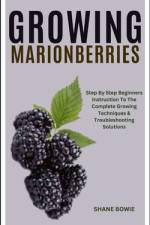
Being a hybrid of the Chehalem and Olallieberry blackberry kinds, they were cultivated in Marion County, Oregon, which is where they got their name "Marionberry."The juiciness, sweetness, and rich flavor of marionberries make them famous. Their conical shape and hue range from dark purple to black. The adaptability of these berries has earned them high praise in the culinary world, and they find widespread usage in sweets, jams, sauces, and pies.Although marionberries have become well-known across the United States, they are most beloved in the Pacific Northwest, where they thrive in abundance.
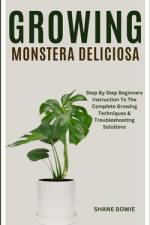
The flowering plant Monstera deliciosa, or Swiss cheese plant, is indigenous to the tropical rainforests of southern Mexico and the Caribbean coast all the way to Panama. Large, glossy green leaves with unusual splits and holes, resembling Swiss cheese, make this Araceae plant stand out. The plant's lovely and distinctive foliage makes it a popular option for houseplants and other interior décor.As a climbing plant, Monstera deliciosa is capable of growing in either a vertical or horizontal orientation. In its native environment, it frequently alights atop trees and other man-made buildings. Under ideal circumstances, this plant can yield edible fruit, which is where the term "deliciosa" comes from.Popular names for this fruit include "Monstera fruit" and "Swiss cheese fruit." It resembles a pineapple and is composed of a cluster of green hexagonal scales. Unripe fruit is poisonous due to oxalic acid, but ripe fruit is edible and has a flavor described as a cross between banana and pineapple.Keeping Monstera deliciosa alive and well in a home environment is not too difficult. It does best in soil that drains properly and is exposed to indirect light. The top inch of soil needs time to dry out in between waterings, so be sure to water regularly. Helping the plant climb can also promote the growth of its distinctive fenestrated leaves.
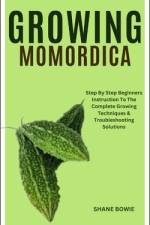
Several species of tropical and subtropical vines belonging to the gourd family (Cucurbitaceae) are included in the genus Momordica. Momordica charantia, often called bitter melon, bitter gourd, or balsam pear, is a famous species of this genus. Momordica charantia is a popular fruit in many cuisines, particularly those of Asia.Bitter melon is well-known for its bitter flavor and possible health advantages. It has a lot of beneficial nutrients, including iron, potassium, vitamin C, and vitamin A. Bitter melon is used in several traditional medicine systems, mostly in Asia, for its purported therapeutic qualities, which may include assisting with blood sugar regulation.While there may be some health benefits to eating bitter melon, people with certain medical conditions, like low blood sugar or pregnancy, should be careful and talk to their doctor before adding it to their diet or taking it for a medical purpose.
Our book is designed as a comprehensive guide for those who are new to the world of flowers.It aims to deepen your understanding and appreciation of these natural beauties, addressing key questions that often puzzle beginners. Basically, my content is directed for beginners to help them take the first steps in turning into an expert of flowers. Moreover, the book includes exclusive bonus content.This additional material is packed with valuable information, tips, and insights that are not commonly found in other guides. This extra content is particularly useful for readers who are eager to expand their knowledge beyond the basics. The core focus of my book is on guiding novices through the initial, often challenging stages of learning about flowers.It's structured to be easily comprehensible, providing step-by-step guidance that transforms a beginner into a knowledgeable enthusiast.Whether it's understandingdifferent types of flowerslearning about their caremaintenanceexploring the fascinating aspects of their growth and developmentThis book covers it all in a friendly and engaging manner In essence, this book is more than just a guide which you can find on the Internet, this is a complete answer to your exact question
Our book is designed as a comprehensive guide for those who are new to the world of flowers.It aims to deepen your understanding and appreciation of these natural beauties, addressing key questions that often puzzle beginners. Basically, my content is directed for beginners to help them take the first steps in turning into an expert of flowers. Moreover, the book includes exclusive bonus content.This additional material is packed with valuable information, tips, and insights that are not commonly found in other guides. This extra content is particularly useful for readers who are eager to expand their knowledge beyond the basics. The core focus of my book is on guiding novices through the initial, often challenging stages of learning about flowers.It's structured to be easily comprehensible, providing step-by-step guidance that transforms a beginner into a knowledgeable enthusiast.Whether it's understandingdifferent types of flowerslearning about their caremaintenanceexploring the fascinating aspects of their growth and developmentThis book covers it all in a friendly and engaging manner In essence, this book is more than just a guide which you can find on the Internet, this is a complete answer to your exact question
Our book is designed as a comprehensive guide for those who are new to the world of flowers.It aims to deepen your understanding and appreciation of these natural beauties, addressing key questions that often puzzle beginners. Basically, my content is directed for beginners to help them take the first steps in turning into an expert of flowers. Moreover, the book includes exclusive bonus content.This additional material is packed with valuable information, tips, and insights that are not commonly found in other guides. This extra content is particularly useful for readers who are eager to expand their knowledge beyond the basics. The core focus of my book is on guiding novices through the initial, often challenging stages of learning about flowers.It's structured to be easily comprehensible, providing step-by-step guidance that transforms a beginner into a knowledgeable enthusiast.Whether it's understandingdifferent types of flowerslearning about their caremaintenanceexploring the fascinating aspects of their growth and developmentThis book covers it all in a friendly and engaging manner In essence, this book is more than just a guide which you can find on the Internet, this is a complete answer to your exact question
In our modern world, supermarkets and grocery stores offer an abundance of Fruits, neatly arranged in colorful displays.Shoppers have access to a vast array of options, from leafy greens to vibrant bell peppers, without giving much thought to where or how these vegetables were grown. The convenience of purchasing fruits at the local store often overshadows the question of their origin, the conditions under which they were cultivated, and the use of chemical additives to maintain their freshness.The reality is that most fruits available in stores today are products of industrial-scale agriculture. They are typically grown in large monoculture fields, where the focus is on maximizing yield and profit. While this approach may provide an abundance of vegetables, it often comes at a cost to the environment and the quality of the produce.One of the major concerns in industrial agriculture is the extensive use of chemical fertilizers and pesticides. These chemicals are applied to enhance crop growth, control pests, and increase shelf life. While they may yield visually appealing fruits that remain fresh for an extended period, they can have adverse effects on both the environment and human health. Runoff from these chemicals can pollute waterways, harm wildlife, and disrupt ecosystems. Moreover, residual pesticides on vegetables can be harmful when consumed, contributing to concerns about food safety.In contrast to mass-produced fruits, there's a growing movement towards cultivating produce at home. Home gardening allows individuals to take control of their food supply, ensuring that the vegetables they consume are free from harmful chemicals. Here are some reasons why growing your fruits at home can be a preferable alternative: Quality Assurance: When you grow your fruits, you have full control over the growing conditions. You can choose organic methods and avoid the use of harmful chemicals, resulting in healthier, more nutrient-rich produce.Taste and Freshness: Homegrown fruits often have superior flavor and freshness compared to store-bought counterparts. They can be picked at the peak of ripeness, retaining their full taste and nutritional value.Environmental Benefits: Home gardening reduces the carbon footprint associated with transporting vegetables from distant farms to stores. It also promotes biodiversity and can contribute to local ecosystem health.Educational Value: Gardening provides an opportunity to connect with nature, learn about plant biology, and develop valuable skills. It's an excellent way to teach children about food sources and sustainability.Cost Savings: While there may be initial setup costs for gardening equipment and seeds, homegrown vegetables can ultimately save you money on grocery bills.Peace of Mind: Knowing exactly where your food comes from and how it's grown can provide a sense of security and satisfaction that store-bought produce often lacks.In conclusion, while the convenience of purchasing fruits at stores is undeniable, there are significant advantages to growing your own produce at home. By doing so, you can ensure that your fruits are natural, free from harmful chemicals, and grown under conditions that align with your values. Whether you have a small balcony, a backyard garden, or even just some windowsill space, home gardening can be a rewarding and environmentally responsible choice. It's a step towards a more sustainable and healthy way of nourishing yourself and your family.Therefore, I recommend that you choose this path, which will improve your health and give you a new hobby.
In our modern world, supermarkets and grocery stores offer an abundance of Fruits, neatly arranged in colorful displays.Shoppers have access to a vast array of options, from leafy greens to vibrant bell peppers, without giving much thought to where or how these vegetables were grown. The convenience of purchasing fruits at the local store often overshadows the question of their origin, the conditions under which they were cultivated, and the use of chemical additives to maintain their freshness.The reality is that most fruits available in stores today are products of industrial-scale agriculture. They are typically grown in large monoculture fields, where the focus is on maximizing yield and profit. While this approach may provide an abundance of vegetables, it often comes at a cost to the environment and the quality of the produce.One of the major concerns in industrial agriculture is the extensive use of chemical fertilizers and pesticides. These chemicals are applied to enhance crop growth, control pests, and increase shelf life. While they may yield visually appealing fruits that remain fresh for an extended period, they can have adverse effects on both the environment and human health. Runoff from these chemicals can pollute waterways, harm wildlife, and disrupt ecosystems. Moreover, residual pesticides on vegetables can be harmful when consumed, contributing to concerns about food safety.In contrast to mass-produced fruits, there's a growing movement towards cultivating produce at home. Home gardening allows individuals to take control of their food supply, ensuring that the vegetables they consume are free from harmful chemicals. Here are some reasons why growing your fruits at home can be a preferable alternative: Quality Assurance: When you grow your fruits, you have full control over the growing conditions. You can choose organic methods and avoid the use of harmful chemicals, resulting in healthier, more nutrient-rich produce.Taste and Freshness: Homegrown fruits often have superior flavor and freshness compared to store-bought counterparts. They can be picked at the peak of ripeness, retaining their full taste and nutritional value.Environmental Benefits: Home gardening reduces the carbon footprint associated with transporting vegetables from distant farms to stores. It also promotes biodiversity and can contribute to local ecosystem health.Educational Value: Gardening provides an opportunity to connect with nature, learn about plant biology, and develop valuable skills. It's an excellent way to teach children about food sources and sustainability.Cost Savings: While there may be initial setup costs for gardening equipment and seeds, homegrown vegetables can ultimately save you money on grocery bills.Peace of Mind: Knowing exactly where your food comes from and how it's grown can provide a sense of security and satisfaction that store-bought produce often lacks.In conclusion, while the convenience of purchasing fruits at stores is undeniable, there are significant advantages to growing your own produce at home. By doing so, you can ensure that your fruits are natural, free from harmful chemicals, and grown under conditions that align with your values. Whether you have a small balcony, a backyard garden, or even just some windowsill space, home gardening can be a rewarding and environmentally responsible choice. It's a step towards a more sustainable and healthy way of nourishing yourself and your family.Therefore, I recommend that you choose this path, which will improve your health and give you a new hobby.
In our modern world, supermarkets and grocery stores offer an abundance of Fruits, neatly arranged in colorful displays.Shoppers have access to a vast array of options, from leafy greens to vibrant bell peppers, without giving much thought to where or how these vegetables were grown. The convenience of purchasing fruits at the local store often overshadows the question of their origin, the conditions under which they were cultivated, and the use of chemical additives to maintain their freshness.The reality is that most fruits available in stores today are products of industrial-scale agriculture. They are typically grown in large monoculture fields, where the focus is on maximizing yield and profit. While this approach may provide an abundance of vegetables, it often comes at a cost to the environment and the quality of the produce.One of the major concerns in industrial agriculture is the extensive use of chemical fertilizers and pesticides. These chemicals are applied to enhance crop growth, control pests, and increase shelf life. While they may yield visually appealing fruits that remain fresh for an extended period, they can have adverse effects on both the environment and human health. Runoff from these chemicals can pollute waterways, harm wildlife, and disrupt ecosystems. Moreover, residual pesticides on vegetables can be harmful when consumed, contributing to concerns about food safety.In contrast to mass-produced fruits, there's a growing movement towards cultivating produce at home. Home gardening allows individuals to take control of their food supply, ensuring that the vegetables they consume are free from harmful chemicals. Here are some reasons why growing your fruits at home can be a preferable alternative: Quality Assurance: When you grow your fruits, you have full control over the growing conditions. You can choose organic methods and avoid the use of harmful chemicals, resulting in healthier, more nutrient-rich produce.Taste and Freshness: Homegrown fruits often have superior flavor and freshness compared to store-bought counterparts. They can be picked at the peak of ripeness, retaining their full taste and nutritional value.Environmental Benefits: Home gardening reduces the carbon footprint associated with transporting vegetables from distant farms to stores. It also promotes biodiversity and can contribute to local ecosystem health.Educational Value: Gardening provides an opportunity to connect with nature, learn about plant biology, and develop valuable skills. It's an excellent way to teach children about food sources and sustainability.Cost Savings: While there may be initial setup costs for gardening equipment and seeds, homegrown vegetables can ultimately save you money on grocery bills.Peace of Mind: Knowing exactly where your food comes from and how it's grown can provide a sense of security and satisfaction that store-bought produce often lacks.In conclusion, while the convenience of purchasing fruits at stores is undeniable, there are significant advantages to growing your own produce at home. By doing so, you can ensure that your fruits are natural, free from harmful chemicals, and grown under conditions that align with your values. Whether you have a small balcony, a backyard garden, or even just some windowsill space, home gardening can be a rewarding and environmentally responsible choice. It's a step towards a more sustainable and healthy way of nourishing yourself and your family.Therefore, I recommend that you choose this path, which will improve your health and give you a new hobby.
edible wild plants foraging for beginners Embark on a transformative journey into the heart of nature with "edible wild plants foraging for beginners, " your essential companion to the captivating world of edible wild plants foraging. Whether you're a seasoned outdoors enthusiast or a curious beginner, this comprehensive guide is your key to unlocking the secrets of the wilderness. Discover the thrill of foraging: Immerse yourself in the joy of exploration as you learn to identify and harvest the myriad of wild plants that nature graciously offers. From vibrant meadows to enchanting forests, this book will empower you to confidently recognize edible treasures in their natural habitats. Safety First, Knowledge Always: Navigate the wilderness with confidence by mastering the art of plant identification. With detailed guidance on positive identification techniques and distinguishing lookalikes, "edible wild plant foraging for beginners" prioritizes your safety, ensuring a rewarding foraging experience from the very beginning. Seasonal Delights and Culinary Adventures: Explore the seasonal rhythm of nature and understand when to harvest the most delectable parts of each plant. Delve into the culinary world of wild edibles, discovering creative and delicious ways to prepare your harvest and turning each foraged find into a culinary masterpiece. Local Wisdom, Global Perspective: Tap into the collective knowledge of seasoned foragers and local experts, benefiting from their insights and tips. Whether you're in a lush forest or a suburban park, this guide provides universal principles and region-specific advice to make your foraging journey enjoyable and safe. Sustainability and Stewardship: Learn the importance of ethical foraging as you delve into sustainable harvesting practices. "Edible wild plant foraging for beginners emphasizes respect for the environment, encouraging you to leave no trace and ensuring the continued well-being of natural ecosystems. Empower Your Palate and Your Mind: Begin your foraging adventure equipped with the skills and wisdom needed to confidently explore the wild larder. With an emphasis on hands-on learning, common edible plants, and safety precautions, this guide transforms beginners into responsible and knowledgeable foragers. "Edible wild plants foraging for beginners" is more than just a guide; it's an invitation to connect with the land, embrace the seasons, and savor the flavors of the wild. Start your journey today and let the enchanting world of edible wild plants reveal itself to you. Nature's pantry awaits!
Paper or card Quilling art is a fun and creative craft activity, making them a popular and enjoyable craft for people of all ages.This book contains a collection of 103 (Fish and other aquatic animals) pictures paper or card Quilling art. (PICTURES / IMAGES ONLY / NO INSTRUCTION) This book was created as a reference or idea for making designs for quilling art with the hope of evoking and improving skills and creativity.Presented in the form of a large print paperback book with glossy cover measuring 8.5 x 11 inches.Thank you have a nice day.Julia Blish
Este libro no solo es una guÃa práctica para el cultivo de helechos, sino también una fuente de inspiración para diseñar armoniosamente tu jardÃn. Incluye consejos expertos sobre selección de especies, cuidados especÃficos y soluciones creativas para desafÃos comunes. Desde principiantes hasta entusiastas experimentados, todos encontrarán en estas páginas la llave para desbloquear el potencial de su jardÃn.Este libro sobre jardinerÃa de helechos contiene las especies más usadas, por lo que se convierte en la herramienta indispensable para convertir tu espacio exterior en un oasis de serenidad y belleza.
"Beginner's Guide to Laying Tile" is a practical and comprehensive resource designed for those new to the art of tile installation. This book serves as a step-by-step manual, providing clear instructions and essential tips to empower beginners to take on tiling projects with confidence.Readers will learn the basics of tile preparation, tools, and materials needed for successful installations. From understanding different tile types to mastering precise measurements and cutting techniques, this guide covers all aspects of the tile-laying process. The book also addresses common challenges faced by beginners and offers practical solutions to ensure a smooth and professional finish.With detailed illustrations and user-friendly language, "Beginner's Guide to Laying Tile" transforms what may seem like a daunting task into an accessible and enjoyable DIY experience. Whether tackling a small bathroom or a larger kitchen project, beginners will gain the skills and knowledge needed to achieve beautiful, lasting tile installations. Dive into the world of tiling with confidence and turn your home improvement aspirations into reality.
Do you have a modern or a modernised house with central heating and good windows, yet you still feel cold? Are your energy bills rising year on year? Do you have a tool bag and some spare weekends? If the answer is, 'Yes', then this is the book for you! Written for the DIY enthusiast, this jargon-free manual gives practical instructions on how to bring any home up to 21st-century insulation standards. This book explains how to insulate the areas that housebuilders of a previous era neglected. It tells us the latest thinking about moisture and ventilation and shows us how to avoid common DIY lining pitfalls, of which weak mountings and moisture traps are two common mistakes. This book is in two parts. Part I shows in detail how to insulate and line the insides of our walls. This is probably the most effective insulation task we can do in a house. Yet, wall insulation is often overlooked in favour of a better heating system or window replacement: "How can it be," we ask, "that I have a modern, well-insulated home, yet it is still cold?" The answer is in the walls. Part II of this book adds methods for adding insulation below floors, onto ceilings and ways of improving the performance of existing windows. It also discusses the sealing of draughts and the opposite issue, ensuring adequate ventilation. Like the other books in the DIY HOME INSULATION series, Walls, Windows Floors and Ventilation uses the author's own house in England as a case study, with accompanying photographs from his insulation work.
The lychee fruit, sometimes written "litchi," is a tropical fruit that originated in the Chinese provinces of Guangdong and Fujian. Scientifically, it is Litchi chinensis, and it is a member of the Sapindaceae family, which includes soapberries. Juicy flesh, bright red or pink peel, and a sweet, aromatic taste make this fruit very desirable.In particular, lychee fruit is known for its: - Lychees have a small, spherical shape and a rough, bumpy skin. Once mature, the fruit's skin will be a vibrant shade of pink or red, and it will peel right off to expose the luscious, translucent meat within.- The texture of lychee flesh is comparable to that of grapes; it is both juicy and gelatinous. All it does is encircle one big seed.- Taste: Lychees are sweet and fragrant, with a flavor profile that combines fruity, floral, and rose undertones.- Lychee is rich in antioxidants, copper, folate, niacin, riboflavin, potassium, phosphorus, magnesium, and manganese, among other nutrients.- Typical culinary uses for lychees include snacking on them fresh or using them as a dessert. Salads, fruit cocktails, sorbets, and a host of Asian meals can all benefit from their use. You might find lychee flavor in certain sauces, ice creams, and drinks.- Harvest Time: The best time to harvest lychee fruits is in the summer.Keep in mind that lychees are best consumed when they are still somewhat fresh because of their limited shelf life. Parts of the Americas, Australia, Asia, and Africa are among the many tropical and subtropical zones on Earth where the fruit is extensively farmed.
Southeastern China is home to the fruit-bearing loquat tree, scientifically known as Eriobotrya japonica. Along with strawberries, peaches, and apples, it is a member of the Rosaceae family. You could hear this fruit called a Chinese plum or a Japanese plum.Loquats are little fruits that can be either round or pear-shaped and can be any shade of yellow or orange. They taste like a combination of apricot, peach, and citrus, with a touch of sweetness and slight acidity. The fruit has a middle seed and a thin, edible skin, making it texture-wise comparable to plums and peaches. You should remove the huge seeds before eating them.Fresh loquats are delicious on their own, but they also add a lot of flavor to salads and other dishes. You can also use them in sweets, jams, and jellies. Loquats are a delicious and healthy addition to any diet because they are packed with antioxidants, vitamins, and minerals. Because of its lovely evergreen leaves, this tree is frequently grown as an ornamental in landscapes and gardens.
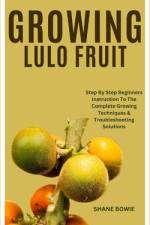
The tropical lulo fruit, or naranjilla, is indigenous to the Andean area of South America. Solanum quitoense is its official scientific name. This small orange or lime-sized fruit has a unique flavor that combines pineapple and citrus with a hint of sourness.An outer layer of green, leathery, and occasionally prickly skin covers the lulo fruit. The meat is delicious and contains little seeds inside. Juices and smoothies, which are full of refreshing flavors, are typically made with it. You can find lulo in pastries, jams, and culinary creations in several South American nations.Vitamins C and A, as well as potassium, are abundant in lulo. Its possible health benefits are added to its unusual flavor, which makes it valuable. Cultivated in areas with an appropriate tropical or subtropical environment, the fruit has become famous for its unique flavor all around the globe.
In our modern world, supermarkets and grocery stores offer an abundance of Fruits, neatly arranged in colorful displays.Shoppers have access to a vast array of options, from leafy greens to vibrant bell peppers, without giving much thought to where or how these vegetables were grown. The convenience of purchasing fruits at the local store often overshadows the question of their origin, the conditions under which they were cultivated, and the use of chemical additives to maintain their freshness.The reality is that most fruits available in stores today are products of industrial-scale agriculture. They are typically grown in large monoculture fields, where the focus is on maximizing yield and profit. While this approach may provide an abundance of vegetables, it often comes at a cost to the environment and the quality of the produce.One of the major concerns in industrial agriculture is the extensive use of chemical fertilizers and pesticides. These chemicals are applied to enhance crop growth, control pests, and increase shelf life. While they may yield visually appealing fruits that remain fresh for an extended period, they can have adverse effects on both the environment and human health. Runoff from these chemicals can pollute waterways, harm wildlife, and disrupt ecosystems. Moreover, residual pesticides on vegetables can be harmful when consumed, contributing to concerns about food safety.In contrast to mass-produced fruits, there's a growing movement towards cultivating produce at home. Home gardening allows individuals to take control of their food supply, ensuring that the vegetables they consume are free from harmful chemicals. Here are some reasons why growing your fruits at home can be a preferable alternative: Quality Assurance: When you grow your fruits, you have full control over the growing conditions. You can choose organic methods and avoid the use of harmful chemicals, resulting in healthier, more nutrient-rich produce.Taste and Freshness: Homegrown fruits often have superior flavor and freshness compared to store-bought counterparts. They can be picked at the peak of ripeness, retaining their full taste and nutritional value.Environmental Benefits: Home gardening reduces the carbon footprint associated with transporting vegetables from distant farms to stores. It also promotes biodiversity and can contribute to local ecosystem health.Educational Value: Gardening provides an opportunity to connect with nature, learn about plant biology, and develop valuable skills. It's an excellent way to teach children about food sources and sustainability.Cost Savings: While there may be initial setup costs for gardening equipment and seeds, homegrown vegetables can ultimately save you money on grocery bills.Peace of Mind: Knowing exactly where your food comes from and how it's grown can provide a sense of security and satisfaction that store-bought produce often lacks.In conclusion, while the convenience of purchasing fruits at stores is undeniable, there are significant advantages to growing your own produce at home. By doing so, you can ensure that your fruits are natural, free from harmful chemicals, and grown under conditions that align with your values. Whether you have a small balcony, a backyard garden, or even just some windowsill space, home gardening can be a rewarding and environmentally responsible choice. It's a step towards a more sustainable and healthy way of nourishing yourself and your family.Therefore, I recommend that you choose this path, which will improve your health and give you a new hobby.
In our modern world, supermarkets and grocery stores offer an abundance of Fruits, neatly arranged in colorful displays.Shoppers have access to a vast array of options, from leafy greens to vibrant bell peppers, without giving much thought to where or how these vegetables were grown. The convenience of purchasing fruits at the local store often overshadows the question of their origin, the conditions under which they were cultivated, and the use of chemical additives to maintain their freshness.The reality is that most fruits available in stores today are products of industrial-scale agriculture. They are typically grown in large monoculture fields, where the focus is on maximizing yield and profit. While this approach may provide an abundance of vegetables, it often comes at a cost to the environment and the quality of the produce.One of the major concerns in industrial agriculture is the extensive use of chemical fertilizers and pesticides. These chemicals are applied to enhance crop growth, control pests, and increase shelf life. While they may yield visually appealing fruits that remain fresh for an extended period, they can have adverse effects on both the environment and human health. Runoff from these chemicals can pollute waterways, harm wildlife, and disrupt ecosystems. Moreover, residual pesticides on vegetables can be harmful when consumed, contributing to concerns about food safety.In contrast to mass-produced fruits, there's a growing movement towards cultivating produce at home. Home gardening allows individuals to take control of their food supply, ensuring that the vegetables they consume are free from harmful chemicals. Here are some reasons why growing your fruits at home can be a preferable alternative: Quality Assurance: When you grow your fruits, you have full control over the growing conditions. You can choose organic methods and avoid the use of harmful chemicals, resulting in healthier, more nutrient-rich produce.Taste and Freshness: Homegrown fruits often have superior flavor and freshness compared to store-bought counterparts. They can be picked at the peak of ripeness, retaining their full taste and nutritional value.Environmental Benefits: Home gardening reduces the carbon footprint associated with transporting vegetables from distant farms to stores. It also promotes biodiversity and can contribute to local ecosystem health.Educational Value: Gardening provides an opportunity to connect with nature, learn about plant biology, and develop valuable skills. It's an excellent way to teach children about food sources and sustainability.Cost Savings: While there may be initial setup costs for gardening equipment and seeds, homegrown vegetables can ultimately save you money on grocery bills.Peace of Mind: Knowing exactly where your food comes from and how it's grown can provide a sense of security and satisfaction that store-bought produce often lacks.In conclusion, while the convenience of purchasing fruits at stores is undeniable, there are significant advantages to growing your own produce at home. By doing so, you can ensure that your fruits are natural, free from harmful chemicals, and grown under conditions that align with your values. Whether you have a small balcony, a backyard garden, or even just some windowsill space, home gardening can be a rewarding and environmentally responsible choice. It's a step towards a more sustainable and healthy way of nourishing yourself and your family.Therefore, I recommend that you choose this path, which will improve your health and give you a new hobby.
In our modern world, supermarkets and grocery stores offer an abundance of Fruits, neatly arranged in colorful displays.Shoppers have access to a vast array of options, from leafy greens to vibrant bell peppers, without giving much thought to where or how these vegetables were grown. The convenience of purchasing fruits at the local store often overshadows the question of their origin, the conditions under which they were cultivated, and the use of chemical additives to maintain their freshness.The reality is that most fruits available in stores today are products of industrial-scale agriculture. They are typically grown in large monoculture fields, where the focus is on maximizing yield and profit. While this approach may provide an abundance of vegetables, it often comes at a cost to the environment and the quality of the produce.One of the major concerns in industrial agriculture is the extensive use of chemical fertilizers and pesticides. These chemicals are applied to enhance crop growth, control pests, and increase shelf life. While they may yield visually appealing fruits that remain fresh for an extended period, they can have adverse effects on both the environment and human health. Runoff from these chemicals can pollute waterways, harm wildlife, and disrupt ecosystems. Moreover, residual pesticides on vegetables can be harmful when consumed, contributing to concerns about food safety.In contrast to mass-produced fruits, there's a growing movement towards cultivating produce at home. Home gardening allows individuals to take control of their food supply, ensuring that the vegetables they consume are free from harmful chemicals. Here are some reasons why growing your fruits at home can be a preferable alternative: Quality Assurance: When you grow your fruits, you have full control over the growing conditions. You can choose organic methods and avoid the use of harmful chemicals, resulting in healthier, more nutrient-rich produce.Taste and Freshness: Homegrown fruits often have superior flavor and freshness compared to store-bought counterparts. They can be picked at the peak of ripeness, retaining their full taste and nutritional value.Environmental Benefits: Home gardening reduces the carbon footprint associated with transporting vegetables from distant farms to stores. It also promotes biodiversity and can contribute to local ecosystem health.Educational Value: Gardening provides an opportunity to connect with nature, learn about plant biology, and develop valuable skills. It's an excellent way to teach children about food sources and sustainability.Cost Savings: While there may be initial setup costs for gardening equipment and seeds, homegrown vegetables can ultimately save you money on grocery bills.Peace of Mind: Knowing exactly where your food comes from and how it's grown can provide a sense of security and satisfaction that store-bought produce often lacks.In conclusion, while the convenience of purchasing fruits at stores is undeniable, there are significant advantages to growing your own produce at home. By doing so, you can ensure that your fruits are natural, free from harmful chemicals, and grown under conditions that align with your values. Whether you have a small balcony, a backyard garden, or even just some windowsill space, home gardening can be a rewarding and environmentally responsible choice. It's a step towards a more sustainable and healthy way of nourishing yourself and your family.Therefore, I recommend that you choose this path, which will improve your health and give you a new hobby.
Our book is designed as a comprehensive guide for those who are new to the world of flowers.It aims to deepen your understanding and appreciation of these natural beauties, addressing key questions that often puzzle beginners. Basically, my content is directed for beginners to help them take the first steps in turning into an expert of flowers. Moreover, the book includes exclusive bonus content.This additional material is packed with valuable information, tips, and insights that are not commonly found in other guides. This extra content is particularly useful for readers who are eager to expand their knowledge beyond the basics. The core focus of my book is on guiding novices through the initial, often challenging stages of learning about flowers.It's structured to be easily comprehensible, providing step-by-step guidance that transforms a beginner into a knowledgeable enthusiast.Whether it's understandingdifferent types of flowerslearning about their caremaintenanceexploring the fascinating aspects of their growth and developmentThis book covers it all in a friendly and engaging manner In essence, this book is more than just a guide which you can find on the Internet, this is a complete answer to your exact question
Our book is designed as a comprehensive guide for those who are new to the world of flowers.It aims to deepen your understanding and appreciation of these natural beauties, addressing key questions that often puzzle beginners. Basically, my content is directed for beginners to help them take the first steps in turning into an expert of flowers. Moreover, the book includes exclusive bonus content.This additional material is packed with valuable information, tips, and insights that are not commonly found in other guides. This extra content is particularly useful for readers who are eager to expand their knowledge beyond the basics. The core focus of my book is on guiding novices through the initial, often challenging stages of learning about flowers.It's structured to be easily comprehensible, providing step-by-step guidance that transforms a beginner into a knowledgeable enthusiast.Whether it's understandingdifferent types of flowerslearning about their caremaintenanceexploring the fascinating aspects of their growth and developmentThis book covers it all in a friendly and engaging manner In essence, this book is more than just a guide which you can find on the Internet, this is a complete answer to your exact question
Our book is designed as a comprehensive guide for those who are new to the world of flowers.It aims to deepen your understanding and appreciation of these natural beauties, addressing key questions that often puzzle beginners. Basically, my content is directed for beginners to help them take the first steps in turning into an expert of flowers. Moreover, the book includes exclusive bonus content.This additional material is packed with valuable information, tips, and insights that are not commonly found in other guides. This extra content is particularly useful for readers who are eager to expand their knowledge beyond the basics. The core focus of my book is on guiding novices through the initial, often challenging stages of learning about flowers.It's structured to be easily comprehensible, providing step-by-step guidance that transforms a beginner into a knowledgeable enthusiast.Whether it's understandingdifferent types of flowerslearning about their caremaintenanceexploring the fascinating aspects of their growth and developmentThis book covers it all in a friendly and engaging manner In essence, this book is more than just a guide which you can find on the Internet, this is a complete answer to your exact question
Abonner på vårt nyhetsbrev og få rabatter og inspirasjon til din neste leseopplevelse.
Ved å abonnere godtar du vår personvernerklæring.