


















Gjør som tusenvis av andre bokelskere
Abonner på vårt nyhetsbrev og få rabatter og inspirasjon til din neste leseopplevelse.
Ved å abonnere godtar du vår personvernerklæring.Du kan når som helst melde deg av våre nyhetsbrev.

Mugo Pine: A Comprehensive Guide to Cultivation and Business" is an indispensable resource for anyone interested in the art and science of growing Mugo Pine. The book opens with a captivating introduction that sets the stage for an exploration into the world of Mugo Pines, emphasizing their significance in horticulture and landscaping.In Chapter 2, readers are guided through the nuanced process of selecting the right varieties, considering factors likeChapters 3 and 4 focus on site selection, preparation, and planting techniques, providing practical insights for both enthusiasts and professionals, ensuring a solid understanding of the groundwork required for successful Mugo Pine cultivation. Chapter 5 guides readers through essential care practices, providing invaluable advice on nurturing healthy and vibrant Mugo Pines.Chapter 6 covers seasonal maintenance, which is an important part of the reader's journey because it provides a comprehensive guide on how to address the unique needs of Mugo Pines throughout the year. Chapter 7 elevates the discourse by focusing on growth management for both aesthetic appeal and potential profit, and it offers strategies for shaping Mugo Pines into desirable forms.Chapter 9 emphasizes the significance of sustainable practices and environmental considerations, emphasizing the need for responsible cultivation. Chapter 8 focuses on marketing and selling Mugo Pine products, offering insights into reaching a larger audience and establishing a successful business.The final chapter, Future Trends and Innovations (Chapter 10) provides a forward-thinking perspective on the Mugo Pine industry, offering readers a glimpse into potential developments and innovations. Overall, "Mugo Pine" is an indispensable guide that seamlessly blends practical cultivation techniques with business acumen, making it an essential companion for both enthusiasts and entrepreneurs in the world of Mugo Pine cultivation.
The book "How to Grow, Care, Manage, and Use Garden Nasturtium for Profit" is a comprehensive guide that delves into the multifaceted aspects of cultivating and monetizing Nasturtium plants.It begins with an insightful introduction to Garden Nasturtium, laying the groundwork for understanding its significance and potential.It then systematically explores the various varieties of Nasturtium, equipping readers with the knowledge needed to make informed decisions based on them.Chapters three and four are the heart of the book, guiding the reader through the essential steps of getting started with growing Nasturtium and nurturing the plants for optimal health and productivity. Chapter five covers seasonal care and maintenance, which provides a holistic approach to ensuring the longevity and vitality of the Nasturtium garden.As the reader progresses, the emphasis shifts to reaping the benefits of their efforts. Chapter 6 provides valuable insights into the art of harvesting Nasturtium for profit, while Chapter 7 goes a step further by exploring value-added products and processing methods, allowing entrepreneurs to diversify their offerings.To succeed in the market, one must understand effective marketing strategies, and Chapter 8 provides a roadmap for promoting Nasturtium products, increasing visibility, and capturing the attention of potential customers.Financial management and record-keeping, discussed in Chapter 9, are critical aspects often overlooked in agricultural ventures but are pivotal for long-term success.Finally, in Chapter 10, the book addresses potential challenges and future trends, providing readers with a comprehensive troubleshooting guide and insights into emerging opportunities in the Nasturtium industry.In essence, "How to Grow, Care, Manage, and Use Garden Nasturtium for Profit" goes beyond the boundaries of a traditional gardening guide, emerging as a valuable resource for individuals aspiring to turn their Nasturtium cultivation into a profitable venture.
How to Grow, Care, Manage, and Use Mountain Laurel for Profit" is a comprehensive guide that serves as an invaluable resource for individuals seeking to capitalize on the cultivation of mountain laurel. The book's significance lies in its systematic approach, which covers every aspect of the mountain laurel business, from introduction to future trends.The book's first chapter establishes a crucial foundation by introducing readers to the subject matter, providing a context for understanding the subsequent chapters. Chapter 2 delves into a detailed exploration of mountain laurel, offering insights into its characteristics, growth patterns, and unique qualities. Chapter 3 guides readers in selecting the optimal location for cultivating mountain laurels, emphasizing the importance of environmental factors in ensuring success.Chapters 4 and 5 provide essential information on propagation methods, planting techniques, and transplanting considerations, offering practical guidance for nurturing healthy mountain laurel plants. Chapter 6 focuses on the ongoing care and maintenance required to foster a thriving mountain laurel plantation.One of the book's distinguishing features is Chapter 7, which emphasizes sustainable practices as a means of not only preserving the environment but also maximizing profitability. Chapter 8 investigates avenues for increasing revenue through value-added products and niche markets, providing readers with innovative strategies to improve their business ventures.Chapter 9 focuses on legal and regulatory considerations, which are critical for those navigating the industry's complexities.Finally, Chapter 10 provides inspiration and insights through success stories, as well as a glimpse into future trends, ensuring readers are well-prepared for the changing landscape of mountain laurel cultivation.In essence, "How to Grow, Care, Manage, and Use Mountain Laurel for Profit" emerges as an indispensable guide that provides aspiring entrepreneurs with the knowledge and skills needed to thrive in the lucrative world of mountain laurel cultivation. The book's holistic approach, combining practical advice with strategic insights, makes it an essential companion for anyone looking to turn their passion for mountain laurel into a profitable and sustainable venture.
A tropical fruit indigenous to the Caribbean, Central America, and portions of South America, the Star Apple (Chrysophyllum cainito) goes by several names, including "cainito," "golden leaf tree," and "abiu" in certain places. The fruits of this tree can be green, purple, or yellow in color, and they can be either round or oval in shape.Its sweet and subtly perfumed flavor has made the fruit famous. Smooth, creamy, and frequently juicy, star apple flesh is what you'll find when you cut into one. The seeds create a star pattern when the apple is cut horizontally in half, which is where the term "star apple" comes from.You can scoop out the flesh of a star apple with a spoon and eat it fresh. The fruit is also used in salads, desserts, and drinks by some. Because of its high vitamin, mineral, and antioxidant content, star apple is prized not just for its culinary purposes but also for its possible health advantages.The fruit is popular in many tropical areas, but its unique growth circumstances mean it may be harder to come by in other parts of the globe.
Tamariollos, are tropical fruits that are members of the Solanaceae family. Tamarillo is classified as Solanum betaceum in the scientific community. This fruit originates originally from South America's Andes region, more specifically from Peru, Ecuador, Colombia, and some regions of Bolivia.The Tamarillo fruit can be any shade of red, yellow, or purple, and it usually has an egg or oval form. Depending on the kind, the flesh can be anywhere from a deep red to a yellowish hue, and the skin is glossy and silky. Some have compared the flavor of tamarindo to that of passion fruit and tomatoes, describing it as sweet and somewhat acidic.Vitamin C, vitamin A, and potassium are among the many minerals and vitamins found in tamarisks. Their vivid color and distinctive flavor make them perfect for fresh eating, as well as for use in sweets, jams, chutneys, and salads. The tamarisko is versatile enough to be fried, added to sauces, or even mixed into drinks.
In common parlance, "Sprouts" are the immature, delicate shoots that grow from seeds when they germinate. They are the young, immature plants that are typically eaten while they are still little and not yet fully grown. Sprouts are often thought of in relation to different kinds of beans and seeds.Here are some popular sprouts: - Asian cuisine frequently features bean sprouts, which are typically prepared from mung beans. Not only are they nutritious, but they also have a crisp texture.- The sprouts of alfalfa seeds are a popular addition to salads and sandwiches. A subtle, crisp taste characterizes them.- Sprouts of broccoli: The fertilized seed of broccoli contains many nutrients, including the chemical sulforaphane, which may have positive effects on health.- A spicy twist to salads and sandwiches can be achieved using radish sprouts, which are sprouts made from radish seeds.- The mildly flavored sprouts of clover are a popular addition to salads and sandwiches.Because of their high vitamin, mineral, and antioxidant content, sprouts are a healthy snack to have on hand. Careful handling is required because they are susceptible to bacterial infection, especially if cultivated in unclean settings. Hence, it's wise to either purchase sprouts from trustworthy vendors or cultivate them in your own kitchen while being careful with sanitation.
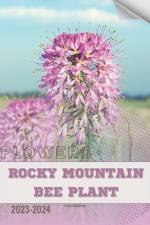
Our book is designed as a comprehensive guide for those who are new to the world of flowers.It aims to deepen your understanding and appreciation of these natural beauties, addressing key questions that often puzzle beginners. Basically, my content is directed for beginners to help them take the first steps in turning into an expert of flowers. Moreover, the book includes exclusive bonus content.This additional material is packed with valuable information, tips, and insights that are not commonly found in other guides. This extra content is particularly useful for readers who are eager to expand their knowledge beyond the basics. The core focus of my book is on guiding novices through the initial, often challenging stages of learning about flowers.It's structured to be easily comprehensible, providing step-by-step guidance that transforms a beginner into a knowledgeable enthusiast.Whether it's understandingdifferent types of flowerslearning about their caremaintenanceexploring the fascinating aspects of their growth and developmentThis book covers it all in a friendly and engaging manner In essence, this book is more than just a guide which you can find on the Internet, this is a complete answer to your exact question
Our book is designed as a comprehensive guide for those who are new to the world of flowers.It aims to deepen your understanding and appreciation of these natural beauties, addressing key questions that often puzzle beginners. Basically, my content is directed for beginners to help them take the first steps in turning into an expert of flowers. Moreover, the book includes exclusive bonus content.This additional material is packed with valuable information, tips, and insights that are not commonly found in other guides. This extra content is particularly useful for readers who are eager to expand their knowledge beyond the basics. The core focus of my book is on guiding novices through the initial, often challenging stages of learning about flowers.It's structured to be easily comprehensible, providing step-by-step guidance that transforms a beginner into a knowledgeable enthusiast.Whether it's understandingdifferent types of flowerslearning about their caremaintenanceexploring the fascinating aspects of their growth and developmentThis book covers it all in a friendly and engaging manner In essence, this book is more than just a guide which you can find on the Internet, this is a complete answer to your exact question
In our modern world, supermarkets and grocery stores offer an abundance of Fruits, neatly arranged in colorful displays.Shoppers have access to a vast array of options, from leafy greens to vibrant bell peppers, without giving much thought to where or how these vegetables were grown. The convenience of purchasing fruits at the local store often overshadows the question of their origin, the conditions under which they were cultivated, and the use of chemical additives to maintain their freshness.The reality is that most fruits available in stores today are products of industrial-scale agriculture. They are typically grown in large monoculture fields, where the focus is on maximizing yield and profit. While this approach may provide an abundance of vegetables, it often comes at a cost to the environment and the quality of the produce.One of the major concerns in industrial agriculture is the extensive use of chemical fertilizers and pesticides. These chemicals are applied to enhance crop growth, control pests, and increase shelf life. While they may yield visually appealing fruits that remain fresh for an extended period, they can have adverse effects on both the environment and human health. Runoff from these chemicals can pollute waterways, harm wildlife, and disrupt ecosystems. Moreover, residual pesticides on vegetables can be harmful when consumed, contributing to concerns about food safety.In contrast to mass-produced fruits, there's a growing movement towards cultivating produce at home. Home gardening allows individuals to take control of their food supply, ensuring that the vegetables they consume are free from harmful chemicals. Here are some reasons why growing your fruits at home can be a preferable alternative: Quality Assurance: When you grow your fruits, you have full control over the growing conditions. You can choose organic methods and avoid the use of harmful chemicals, resulting in healthier, more nutrient-rich produce.Taste and Freshness: Homegrown fruits often have superior flavor and freshness compared to store-bought counterparts. They can be picked at the peak of ripeness, retaining their full taste and nutritional value.Environmental Benefits: Home gardening reduces the carbon footprint associated with transporting vegetables from distant farms to stores. It also promotes biodiversity and can contribute to local ecosystem health.Educational Value: Gardening provides an opportunity to connect with nature, learn about plant biology, and develop valuable skills. It's an excellent way to teach children about food sources and sustainability.Cost Savings: While there may be initial setup costs for gardening equipment and seeds, homegrown vegetables can ultimately save you money on grocery bills.Peace of Mind: Knowing exactly where your food comes from and how it's grown can provide a sense of security and satisfaction that store-bought produce often lacks.In conclusion, while the convenience of purchasing fruits at stores is undeniable, there are significant advantages to growing your own produce at home. By doing so, you can ensure that your fruits are natural, free from harmful chemicals, and grown under conditions that align with your values. Whether you have a small balcony, a backyard garden, or even just some windowsill space, home gardening can be a rewarding and environmentally responsible choice. It's a step towards a more sustainable and healthy way of nourishing yourself and your family.Therefore, I recommend that you choose this path, which will improve your health and give you a new hobby.
ABOUT THIS BOOKThe book "How to Grow, Care, Manage, and Use Boxwood for Profit" is a comprehensive guide that delves into the multifaceted aspects of cultivating and leveraging boxwood for commercial success. In its first chapter, the book provides a foundational understanding of boxwood, laying the groundwork for readers to grasp the intricacies involved in its growth and utilization. Moving on to chapter two, the exploration of various boxwood species and varieties equips readers withChapter three emphasizes the significance of meticulous planning in establishing a successful boxwood enterprise, while chapters four and five delve into the practical cultivation techniques and artistic aspects of pruning and shaping, elevating the aesthetic value of the plants. Chapter six addresses the critical stages of harvesting and post-harvest handling, ensuring that readersThe guide's practicality extends into the realm of business in chapter seven, where effective marketing strategies tailored to boxwood products are unveiled.Chapter eight explores the integration of boxwood in landscape design and architecture, demonstrating the versatility of this plant in various creative domains. Chapter Nine delves into the potential for value-added ventures and diverse product lines derived from boxwood, providing readers with avenues forIn essence, "How to Grow, Care, Manage, and Use Boxwood for Profit" is an indispensable resource for entrepreneurs, horticulturists, and enthusiasts alike, providing a comprehensive understanding of sustainability practices and future trends.
Unlock the Secrets of Nature with 'Biodynamic Gardening for Beginners': Comprehensive Techniques for Growing and Harvesting Healthy Farm Produce Dive into the world of biodynamic gardening and discover the profound joy of co-creating with nature. This unique guide, tailored for beginners, takes you on a journey beyond traditional gardening methods, unveiling the secrets of biodynamics-a holistic approach that aligns with the cosmic rhythms, enhances soil vitality, and fosters a harmonious garden ecosystem.In these pages, you'll explore the fundamental principles of biodynamic agriculture, from lunar planting calendars to companion planting strategies. Learn to harness the energy of the moon, implement companion planting for natural pest control, and unlock the potential of biodynamic preparations to breathe life into your soil, you'll not only cultivate a garden but nurture a living, thriving ecosystem that reflects the wisdom of nature.Whether you're a seasoned gardener looking to deepen your practice or a novice eager to embark on a sustainable gardening journey, 'Biodynamic Gardening for Beginners' is your comprehensive roadmap. From thoughtful plant selection and garden design to seasonal planning, harvesting, and storing, this guide empowers you to become a mindful steward of the land.Are you Ready to transform your garden into a vibrant tapestry of life? Join the biodynamic movement and witness the magic of your garden unfolding in harmony with the cosmos. Embrace the call to action and embark on a journey that transcends the ordinary-cultivate not just plants, but a living, thriving ecosystem that echoes the rhythms of the Earth. 'Biodynamic Gardening for Beginners' is your key to unlocking the boundless potential of a garden in sync with the natural world.Are you ready to grow beyond the ordinary? Grab your copy now and embark on a journey of mindful cultivation, sustainable living, and the pure joy of nurturing life from the ground up!" 'Order Now'
A range of aromatic woods derived from trees in the Santalum genus is collectively known as sandalwood. Sandalwood oil is extracted from the fragrant heartwood of these trees. Santalum album, more often known as Indian sandalwood, is the most famous species. The unique aroma and many practical applications of sandalwood have made it a highly prized commodity for generations.Plants that produce sandalwood typically have the following traits: - The heartwood of sandalwood trees has a distinct and delightful aroma because it is abundant in essential oils, especially α-santalol and β-santalol.- Sandalwood oil is steam distilled from sandalwood heartwood, which is a process of great commercial importance. Many traditional medicines, cosmetics, and perfumes contain this oil.- Sandalwood is highly revered in many faiths and cultures for its spiritual and cultural benefits. As part of some religious rites, it is common practice to apply sandalwood paste to the forehead.- Development of Heartwood: Sandalwood trees are known for their sluggish growth rate, which can extend over decades. One reason the wood is so expensive is because it grows so slowly.- Sandy soils are ideal for sandalwood trees, which are endemic to tropical areas. Some of the Pacific islands, as well as countries in Australia, Indonesia, and India, are home to these creatures.- Some species of sandalwood are in danger of extinction because of the excessive demand for them and the subsequent overharvesting. Because of this, people are trying to get the word out about sustainable farming and harvesting.- Indian sandalwood (Santalum album) isn't the only species of sandalwood; there are others, such as Santalum spicatum in Australia and Santalum ellipticum in Hawaii, and they all have different characteristics.Ayurvedic practitioners have long relied on sandalwood for its sedative and anti-inflammatory qualities, among other possible medicinal uses. Still, initiatives to control and encourage ethical sandalwood cultivation have arisen in response to sustainability concerns and problems associated with illicit logging.
The long, skinny, snake-like fruit of the tropical and subtropical vine known as snake gourd (Trichosanthes cucumerina) is the main reason for its cultivation.Vegetables such as cucumbers, pumpkins, and melons are all members of the Cucurbitaceae family, to which this plant also belongs. Although it originally hails from Southeast Asia, snake gourd is currently cultivated in many climate-appropriate regions across the globe.Snake gourds can reach impressive lengths-sometimes more than a meter-long, and their fruit is usually smooth-skinned and varies in color from light green to dark green. On top of having a little crunchy texture, the flesh is subtly sweet. Especially in Asian cuisines, the vegetable is extensively utilized in a variety of culinary applications.There are many different ways to prepare snake gourd. Soups, stir-fries, sautés, and curries are just a few of the ways it can be prepared. Snake gourd is highly esteemed in traditional medicine in certain cultures for its possible medicinal properties, in addition to its culinary purposes.Traditional herbal medicines make use of extracts from various portions of the plant, which are thought to have various therapeutic qualities. Snake gourd is an interesting and healthy vegetable that jazzes up a lot of meals, especially those with an Asian flair.
The Arecaceae family counts the salak, or snake fruit, among its tropical fruit members. Although it originated in Indonesia, other Southeast Asian nations also grow it. The fruit's scaly, reddish-brown skin gives it the moniker "snake fruit" since it looks like snake scales.The salak fruit is characterized by the following: - Physical Characteristics: The fruit is tiny, with a scaly, reddish-brown exterior and a flesh that is roughly the size of a large fig. To get to the juicy inside, just peel off the scales.- Salak has a somewhat sweet and sour flavor with a texture that is reminiscent of apple flesh: crisp and crunchy. Flavors of apple and pineapple are commonly used to describe it.- Salak comes in a rainbow of hues and tastes thanks to its many variants. Saltak Pondoh, Bali, and Merah Salak are a few popular kinds.- Salak is rich in vitamin C and other nutrients, as well as minerals and dietary fiber. Calories and fat are minimal.- Application: Salak fruit is most enjoyed when eaten raw, either as a standalone snack or as an ingredient in a fruit salad. Additionally, it is used by some to create preserves, jams, and jellies. In addition to its snacking uses, it also has some medicinal applications in traditional medicine.- Tropical nations such as the Philippines, Indonesia, Malaysia, and Thailand are ideal for growing salak trees. At the very foot of the palm palms you'll find clusters of fruit.In locations where it is grown, salak is loved for its refreshing taste and distinctive look, even if it isn't as famous worldwide as other tropical fruits.
Our book is designed as a comprehensive guide for those who are new to the world of flowers.It aims to deepen your understanding and appreciation of these natural beauties, addressing key questions that often puzzle beginners. Basically, my content is directed for beginners to help them take the first steps in turning into an expert of flowers. Moreover, the book includes exclusive bonus content.This additional material is packed with valuable information, tips, and insights that are not commonly found in other guides. This extra content is particularly useful for readers who are eager to expand their knowledge beyond the basics. The core focus of my book is on guiding novices through the initial, often challenging stages of learning about flowers.It's structured to be easily comprehensible, providing step-by-step guidance that transforms a beginner into a knowledgeable enthusiast.Whether it's understandingdifferent types of flowerslearning about their caremaintenanceexploring the fascinating aspects of their growth and developmentThis book covers it all in a friendly and engaging manner In essence, this book is more than just a guide which you can find on the Internet, this is a complete answer to your exact question
Our book is designed as a comprehensive guide for those who are new to the world of flowers.It aims to deepen your understanding and appreciation of these natural beauties, addressing key questions that often puzzle beginners. Basically, my content is directed for beginners to help them take the first steps in turning into an expert of flowers. Moreover, the book includes exclusive bonus content.This additional material is packed with valuable information, tips, and insights that are not commonly found in other guides. This extra content is particularly useful for readers who are eager to expand their knowledge beyond the basics. The core focus of my book is on guiding novices through the initial, often challenging stages of learning about flowers.It's structured to be easily comprehensible, providing step-by-step guidance that transforms a beginner into a knowledgeable enthusiast.Whether it's understandingdifferent types of flowerslearning about their caremaintenanceexploring the fascinating aspects of their growth and developmentThis book covers it all in a friendly and engaging manner In essence, this book is more than just a guide which you can find on the Internet, this is a complete answer to your exact question
Our book is designed as a comprehensive guide for those who are new to the world of flowers.It aims to deepen your understanding and appreciation of these natural beauties, addressing key questions that often puzzle beginners. Basically, my content is directed for beginners to help them take the first steps in turning into an expert of flowers. Moreover, the book includes exclusive bonus content.This additional material is packed with valuable information, tips, and insights that are not commonly found in other guides. This extra content is particularly useful for readers who are eager to expand their knowledge beyond the basics. The core focus of my book is on guiding novices through the initial, often challenging stages of learning about flowers.It's structured to be easily comprehensible, providing step-by-step guidance that transforms a beginner into a knowledgeable enthusiast.Whether it's understandingdifferent types of flowerslearning about their caremaintenanceexploring the fascinating aspects of their growth and developmentThis book covers it all in a friendly and engaging manner In essence, this book is more than just a guide which you can find on the Internet, this is a complete answer to your exact question
In our modern world, supermarkets and grocery stores offer an abundance of Fruits, neatly arranged in colorful displays.Shoppers have access to a vast array of options, from leafy greens to vibrant bell peppers, without giving much thought to where or how these vegetables were grown. The convenience of purchasing fruits at the local store often overshadows the question of their origin, the conditions under which they were cultivated, and the use of chemical additives to maintain their freshness.The reality is that most fruits available in stores today are products of industrial-scale agriculture. They are typically grown in large monoculture fields, where the focus is on maximizing yield and profit. While this approach may provide an abundance of vegetables, it often comes at a cost to the environment and the quality of the produce.One of the major concerns in industrial agriculture is the extensive use of chemical fertilizers and pesticides. These chemicals are applied to enhance crop growth, control pests, and increase shelf life. While they may yield visually appealing fruits that remain fresh for an extended period, they can have adverse effects on both the environment and human health. Runoff from these chemicals can pollute waterways, harm wildlife, and disrupt ecosystems. Moreover, residual pesticides on vegetables can be harmful when consumed, contributing to concerns about food safety.In contrast to mass-produced fruits, there's a growing movement towards cultivating produce at home. Home gardening allows individuals to take control of their food supply, ensuring that the vegetables they consume are free from harmful chemicals. Here are some reasons why growing your fruits at home can be a preferable alternative: Quality Assurance: When you grow your fruits, you have full control over the growing conditions. You can choose organic methods and avoid the use of harmful chemicals, resulting in healthier, more nutrient-rich produce.Taste and Freshness: Homegrown fruits often have superior flavor and freshness compared to store-bought counterparts. They can be picked at the peak of ripeness, retaining their full taste and nutritional value.Environmental Benefits: Home gardening reduces the carbon footprint associated with transporting vegetables from distant farms to stores. It also promotes biodiversity and can contribute to local ecosystem health.Educational Value: Gardening provides an opportunity to connect with nature, learn about plant biology, and develop valuable skills. It's an excellent way to teach children about food sources and sustainability.Cost Savings: While there may be initial setup costs for gardening equipment and seeds, homegrown vegetables can ultimately save you money on grocery bills.Peace of Mind: Knowing exactly where your food comes from and how it's grown can provide a sense of security and satisfaction that store-bought produce often lacks.In conclusion, while the convenience of purchasing fruits at stores is undeniable, there are significant advantages to growing your own produce at home. By doing so, you can ensure that your fruits are natural, free from harmful chemicals, and grown under conditions that align with your values. Whether you have a small balcony, a backyard garden, or even just some windowsill space, home gardening can be a rewarding and environmentally responsible choice. It's a step towards a more sustainable and healthy way of nourishing yourself and your family.Therefore, I recommend that you choose this path, which will improve your health and give you a new hobby.
In our modern world, supermarkets and grocery stores offer an abundance of Fruits, neatly arranged in colorful displays.Shoppers have access to a vast array of options, from leafy greens to vibrant bell peppers, without giving much thought to where or how these vegetables were grown. The convenience of purchasing fruits at the local store often overshadows the question of their origin, the conditions under which they were cultivated, and the use of chemical additives to maintain their freshness.The reality is that most fruits available in stores today are products of industrial-scale agriculture. They are typically grown in large monoculture fields, where the focus is on maximizing yield and profit. While this approach may provide an abundance of vegetables, it often comes at a cost to the environment and the quality of the produce.One of the major concerns in industrial agriculture is the extensive use of chemical fertilizers and pesticides. These chemicals are applied to enhance crop growth, control pests, and increase shelf life. While they may yield visually appealing fruits that remain fresh for an extended period, they can have adverse effects on both the environment and human health. Runoff from these chemicals can pollute waterways, harm wildlife, and disrupt ecosystems. Moreover, residual pesticides on vegetables can be harmful when consumed, contributing to concerns about food safety.In contrast to mass-produced fruits, there's a growing movement towards cultivating produce at home. Home gardening allows individuals to take control of their food supply, ensuring that the vegetables they consume are free from harmful chemicals. Here are some reasons why growing your fruits at home can be a preferable alternative: Quality Assurance: When you grow your fruits, you have full control over the growing conditions. You can choose organic methods and avoid the use of harmful chemicals, resulting in healthier, more nutrient-rich produce.Taste and Freshness: Homegrown fruits often have superior flavor and freshness compared to store-bought counterparts. They can be picked at the peak of ripeness, retaining their full taste and nutritional value.Environmental Benefits: Home gardening reduces the carbon footprint associated with transporting vegetables from distant farms to stores. It also promotes biodiversity and can contribute to local ecosystem health.Educational Value: Gardening provides an opportunity to connect with nature, learn about plant biology, and develop valuable skills. It's an excellent way to teach children about food sources and sustainability.Cost Savings: While there may be initial setup costs for gardening equipment and seeds, homegrown vegetables can ultimately save you money on grocery bills.Peace of Mind: Knowing exactly where your food comes from and how it's grown can provide a sense of security and satisfaction that store-bought produce often lacks.In conclusion, while the convenience of purchasing fruits at stores is undeniable, there are significant advantages to growing your own produce at home. By doing so, you can ensure that your fruits are natural, free from harmful chemicals, and grown under conditions that align with your values. Whether you have a small balcony, a backyard garden, or even just some windowsill space, home gardening can be a rewarding and environmentally responsible choice. It's a step towards a more sustainable and healthy way of nourishing yourself and your family.Therefore, I recommend that you choose this path, which will improve your health and give you a new hobby.
In our modern world, supermarkets and grocery stores offer an abundance of Fruits, neatly arranged in colorful displays.Shoppers have access to a vast array of options, from leafy greens to vibrant bell peppers, without giving much thought to where or how these vegetables were grown. The convenience of purchasing fruits at the local store often overshadows the question of their origin, the conditions under which they were cultivated, and the use of chemical additives to maintain their freshness.The reality is that most fruits available in stores today are products of industrial-scale agriculture. They are typically grown in large monoculture fields, where the focus is on maximizing yield and profit. While this approach may provide an abundance of vegetables, it often comes at a cost to the environment and the quality of the produce.One of the major concerns in industrial agriculture is the extensive use of chemical fertilizers and pesticides. These chemicals are applied to enhance crop growth, control pests, and increase shelf life. While they may yield visually appealing fruits that remain fresh for an extended period, they can have adverse effects on both the environment and human health. Runoff from these chemicals can pollute waterways, harm wildlife, and disrupt ecosystems. Moreover, residual pesticides on vegetables can be harmful when consumed, contributing to concerns about food safety.In contrast to mass-produced fruits, there's a growing movement towards cultivating produce at home. Home gardening allows individuals to take control of their food supply, ensuring that the vegetables they consume are free from harmful chemicals. Here are some reasons why growing your fruits at home can be a preferable alternative: Quality Assurance: When you grow your fruits, you have full control over the growing conditions. You can choose organic methods and avoid the use of harmful chemicals, resulting in healthier, more nutrient-rich produce.Taste and Freshness: Homegrown fruits often have superior flavor and freshness compared to store-bought counterparts. They can be picked at the peak of ripeness, retaining their full taste and nutritional value.Environmental Benefits: Home gardening reduces the carbon footprint associated with transporting vegetables from distant farms to stores. It also promotes biodiversity and can contribute to local ecosystem health.Educational Value: Gardening provides an opportunity to connect with nature, learn about plant biology, and develop valuable skills. It's an excellent way to teach children about food sources and sustainability.Cost Savings: While there may be initial setup costs for gardening equipment and seeds, homegrown vegetables can ultimately save you money on grocery bills.Peace of Mind: Knowing exactly where your food comes from and how it's grown can provide a sense of security and satisfaction that store-bought produce often lacks.In conclusion, while the convenience of purchasing fruits at stores is undeniable, there are significant advantages to growing your own produce at home. By doing so, you can ensure that your fruits are natural, free from harmful chemicals, and grown under conditions that align with your values. Whether you have a small balcony, a backyard garden, or even just some windowsill space, home gardening can be a rewarding and environmentally responsible choice. It's a step towards a more sustainable and healthy way of nourishing yourself and your family.Therefore, I recommend that you choose this path, which will improve your health and give you a new hobby.
Embark on a Gardening Odyssey and Transform Your Urban Space into a Thriving Green Haven!Have you ever dreamed of a green sanctuary in the midst of metropolitan life? Have you ever wished for nature's soothing touch to be just a few steps away?Have you ever felt frustrated because you wanted to grow a garden but didn't have enough space? Have you ever imagined bringing colorful blossoms, fresh herbs, and nature's comforting embrace into your urban home? Imagine a colorful balcony and a window sill brimming with aromatic herbs-does this sound like your unmet gardening dreams?Have you ever struggled to comprehend soil types, deal with drooping plants, or battle persistent bugs in your small garden oasis? Can you recall the desire for a handbook that simplifies the gardening adventure for modern city dwellers like yourself?Meet Lisa G. Lopez, an urbanite turned gardening enthusiast who once faced the same obstacles of growing greenery in a crowded city. With years of hands-on experience, Lisa reveals her dramatic journey from novice to urban gardening expert, empathizing with every challenge you've faced on your own gardening adventure.Benefits of this book: It provides realistic, step-by-step guidance to help you succeed with urban gardening.Discover unique ways to make the most of your balcony, patio, or windowsill.Overcome common gardening beliefs that may have been holding you back.Learn from Lisa's direct experience-she began off just like you, with little space and knowledge.Discover the world of low-maintenance plants ideal for busy urban living.Lisa's unique instructions will help you master container gardening.Discover low-cost options and DIY methods for a thriving garden.Lisa's seasonal gardening tips will help you create a year-round refuge.If you want to turn your urban space into a thriving green refuge, a sanctuary of blossoms and herbs, then scroll up and purchase "Blossoming Beginnings: The Ultimate Step-by-Step Guide to Gardening for Modern Urbanites" immediately. Your journey to a lush, lively urban sanctuary begins here!
You're on the hunt for a way to grow your own Food, Medicines & Ornamentals. The thing is, you don't have the Yard Space for it - But with the right Containers and the right Plants you can turn Limited space into Unlimited possibility.The cost of Food and Medicine ever increasing with Yard space at a Premium. But, with Containers and Expert knowledge you can bypass all the obstacles and Grow your own Foods, Medicines and Ornamentals.A Plant Biotechnologist and Researcher of Medicinal plants, Antoni Comrie has studied a plethora of Trees, Vines, and Plant Life. Revealing the Untapped potential, they hold for Investors, Farmers, Home Owners and Hobbyists alike.You'll learn: ★How to blend Soil & Water for the best results no matter What or Where you're growing.★The right Types of Containers to use along with the Best Fertilizers and Additives to use in them.★Which Fruit trees and Food crops to grow and How this can keep Half your Pay in your Pocket.★How to start Growing instead of Going to the Pharmacy.★How to tap into the highly Lucrative Ornamentals market and the Best Plants to do it with.Whether you're trying to Reverse your Food Bill, do what you Love, or Turn a Profit, now is your time to be brave. Brave enough to look at what you thought you knew, destroy it and build a Better understanding. Brave enough to Read this book.
40 Detailed IllustrationsItalian Seascapes Coloring BookGreat for Gifts or just for funSuitable for all agesHours of enjoyment
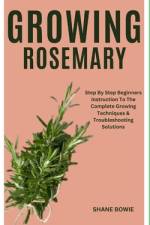
A fragrant herb, rosemary (Rosmarinus officinalis) is an essential ingredient in many dishes, especially those from the Mediterranean.This perennial herb is needle-shaped and has green upper leaves and white undersides; it is woody. Although it was originally from the Mediterranean, this plant is today a common crop all across the globe.Traditional uses for rosemary extend beyond its culinary applications to include a wide range of medicinal and aromatic ones.Roasted meats, stews, and soups are just a few of the many foods that benefit from its powerful, piney aroma. Fresh or dried, rosemary leaves are versatile.Rosemary has a long history of usage in traditional medicine due to its possible medicinal properties, in addition to its culinary uses.It possesses antibacterial qualities and is abundant in antioxidants. As an aromatherapy tool, several people find that diffusing rosemary oil improves their mood and focus.In general, rosemary is a multipurpose herb that enhances food flavor and may have health advantages; but, like any supplement or herb, it is best used moderately, and people with particular health issues or questions should talk to a doctor.
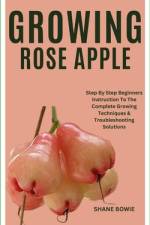
The fruit-bearing tree Syzygium jambos, commonly known as the rose apple, originates from Southeast Asia. Its sweet and crisp fruit is what draws people to this Myrtaceae plant. The bell-shaped fruit is sometimes called a "water apple" or a "bell fruit" because of its watery texture and appearance.The rose apple derives its name from the fact that its green or greenish-yellow flesh changes to a pinkish-rose hue when ripe. The fragile skin protects the white, crisp, and delicious flesh beneath. Many like to eat it fresh because of its somewhat sweet and invigorating flavor. Pear, watermelon, and rosewater are some of the flavors that some have said it tastes like.Globally, tropical and subtropical areas are home to rose apple trees. The ornamental appeal of the tree extends beyond its edible fruit; it is prized for its fragrant blossoms and lovely leaves. The fruit is an excellent complement to a healthy diet because of the many vitamins and minerals it contains.
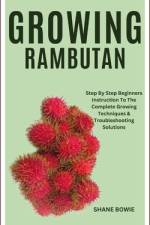
A tropical fruit, the rambutan originated in Southeast Asia. Along with lychee and longan, it is a member of the Sapindaceae family. Nephelium lappaceum is the scientific name for the rambutan. The fruit is easily recognizable by its hairy, usually red or yellow, although variegated, exterior skin.A fruit with a hairy look, the "rambutan" gets its name from the Malay word "rambut," meaning hair. You can simply peel off the hairy or spikey skin to expose the lovely, translucent meat. It has a sweet and somewhat acidic flavor, similar to that of a grape.The rambutan tree is an evergreen that can reach a height of 20 meters. Although it is most commonly enjoyed eaten raw, the fruit has many culinary uses, including in salads, desserts, and drinks. Although rambutan is most popular in its home areas, it has recently grown in popularity around the world due to its adaptability to tropical and subtropical temperatures.
Our book is designed as a comprehensive guide for those who are new to the world of flowers.It aims to deepen your understanding and appreciation of these natural beauties, addressing key questions that often puzzle beginners. Basically, my content is directed for beginners to help them take the first steps in turning into an expert of flowers. Moreover, the book includes exclusive bonus content.This additional material is packed with valuable information, tips, and insights that are not commonly found in other guides. This extra content is particularly useful for readers who are eager to expand their knowledge beyond the basics. The core focus of my book is on guiding novices through the initial, often challenging stages of learning about flowers.It's structured to be easily comprehensible, providing step-by-step guidance that transforms a beginner into a knowledgeable enthusiast.Whether it's understandingdifferent types of flowerslearning about their caremaintenanceexploring the fascinating aspects of their growth and developmentThis book covers it all in a friendly and engaging manner In essence, this book is more than just a guide which you can find on the Internet, this is a complete answer to your exact question
Our book is designed as a comprehensive guide for those who are new to the world of flowers.It aims to deepen your understanding and appreciation of these natural beauties, addressing key questions that often puzzle beginners. Basically, my content is directed for beginners to help them take the first steps in turning into an expert of flowers. Moreover, the book includes exclusive bonus content.This additional material is packed with valuable information, tips, and insights that are not commonly found in other guides. This extra content is particularly useful for readers who are eager to expand their knowledge beyond the basics. The core focus of my book is on guiding novices through the initial, often challenging stages of learning about flowers.It's structured to be easily comprehensible, providing step-by-step guidance that transforms a beginner into a knowledgeable enthusiast.Whether it's understandingdifferent types of flowerslearning about their caremaintenanceexploring the fascinating aspects of their growth and developmentThis book covers it all in a friendly and engaging manner In essence, this book is more than just a guide which you can find on the Internet, this is a complete answer to your exact question
Our book is designed as a comprehensive guide for those who are new to the world of flowers.It aims to deepen your understanding and appreciation of these natural beauties, addressing key questions that often puzzle beginners. Basically, my content is directed for beginners to help them take the first steps in turning into an expert of flowers. Moreover, the book includes exclusive bonus content.This additional material is packed with valuable information, tips, and insights that are not commonly found in other guides. This extra content is particularly useful for readers who are eager to expand their knowledge beyond the basics. The core focus of my book is on guiding novices through the initial, often challenging stages of learning about flowers.It's structured to be easily comprehensible, providing step-by-step guidance that transforms a beginner into a knowledgeable enthusiast.Whether it's understandingdifferent types of flowerslearning about their caremaintenanceexploring the fascinating aspects of their growth and developmentThis book covers it all in a friendly and engaging manner In essence, this book is more than just a guide which you can find on the Internet, this is a complete answer to your exact question
In our modern world, supermarkets and grocery stores offer an abundance of Fruits, neatly arranged in colorful displays.Shoppers have access to a vast array of options, from leafy greens to vibrant bell peppers, without giving much thought to where or how these vegetables were grown. The convenience of purchasing fruits at the local store often overshadows the question of their origin, the conditions under which they were cultivated, and the use of chemical additives to maintain their freshness.The reality is that most fruits available in stores today are products of industrial-scale agriculture. They are typically grown in large monoculture fields, where the focus is on maximizing yield and profit. While this approach may provide an abundance of vegetables, it often comes at a cost to the environment and the quality of the produce.One of the major concerns in industrial agriculture is the extensive use of chemical fertilizers and pesticides. These chemicals are applied to enhance crop growth, control pests, and increase shelf life. While they may yield visually appealing fruits that remain fresh for an extended period, they can have adverse effects on both the environment and human health. Runoff from these chemicals can pollute waterways, harm wildlife, and disrupt ecosystems. Moreover, residual pesticides on vegetables can be harmful when consumed, contributing to concerns about food safety.In contrast to mass-produced fruits, there's a growing movement towards cultivating produce at home. Home gardening allows individuals to take control of their food supply, ensuring that the vegetables they consume are free from harmful chemicals. Here are some reasons why growing your fruits at home can be a preferable alternative: Quality Assurance: When you grow your fruits, you have full control over the growing conditions. You can choose organic methods and avoid the use of harmful chemicals, resulting in healthier, more nutrient-rich produce.Taste and Freshness: Homegrown fruits often have superior flavor and freshness compared to store-bought counterparts. They can be picked at the peak of ripeness, retaining their full taste and nutritional value.Environmental Benefits: Home gardening reduces the carbon footprint associated with transporting vegetables from distant farms to stores. It also promotes biodiversity and can contribute to local ecosystem health.Educational Value: Gardening provides an opportunity to connect with nature, learn about plant biology, and develop valuable skills. It's an excellent way to teach children about food sources and sustainability.Cost Savings: While there may be initial setup costs for gardening equipment and seeds, homegrown vegetables can ultimately save you money on grocery bills.Peace of Mind: Knowing exactly where your food comes from and how it's grown can provide a sense of security and satisfaction that store-bought produce often lacks.In conclusion, while the convenience of purchasing fruits at stores is undeniable, there are significant advantages to growing your own produce at home. By doing so, you can ensure that your fruits are natural, free from harmful chemicals, and grown under conditions that align with your values. Whether you have a small balcony, a backyard garden, or even just some windowsill space, home gardening can be a rewarding and environmentally responsible choice. It's a step towards a more sustainable and healthy way of nourishing yourself and your family.Therefore, I recommend that you choose this path, which will improve your health and give you a new hobby.
Abonner på vårt nyhetsbrev og få rabatter og inspirasjon til din neste leseopplevelse.
Ved å abonnere godtar du vår personvernerklæring.