



















Gjør som tusenvis av andre bokelskere
Abonner på vårt nyhetsbrev og få rabatter og inspirasjon til din neste leseopplevelse.
Ved å abonnere godtar du vår personvernerklæring.Du kan når som helst melde deg av våre nyhetsbrev.

A comprehensive guide to starting an herb garden.
The Well-Dressed Window: Curtains at Winterthur is a unique compendium of design and textile history and an invaluable resource for designers and homeowners alike. Today Henry Francis du Pont, the force behind the transformation of Winterthur from a family house to the premier museum of American decorative arts, is recognized, along with Henry Davis Sleeper and Elsie de Wolfe, as one of the early leaders of interior design in this country. Working with architects, curators, and antiques dealers, du Pont created some 175 room settings within the house. He assembled his rooms using architectural elements from historic houses along the East Coast and filled them with an extraordinary collection of American furniture and decorative arts. Du Pont’s unique talent was his ability to arrange historically related objects in a beautiful way, in settings that enhanced their shape and form through the choice of color, textiles, and style. Du Pont paid particular attention to the design of the curtains, and The Well-Dressed Window surveys his achievement, explaining how the fabrics were selected as well as their relationship to the architecture and other decorative elements in the rooms. Forty rooms are presented, each specially photographed to show the overall space in addition to details of fabric and trim. A series of stereoviews taken in the 1930s as well as other period photographs reveal the evolution of the window treatments and upholstery over nearly sixty years. Of particular interest is du Pont’s seasonal changing of the curtains, which were rotated throughout the year as the lighting and colors in the surrounding garden shifted.
From jam-jar posies to elaborate displays, this lovely book explains how to grow and create beautiful arrangements and make your special day unique, without costing the earth.
Showcasing 115 remarkable quilts that span more than two hundred years of American quiltmaking, this volume introduces an outstanding collection of American quilts and quilt history documentation, the Winedale Quilt Collection at the Briscoe Center for Am
This perplexity of common people inspired me to record technical information in concise way on garden designing in the form of this book. The main purpose is to provide basic information on design, features, plants, maintenance and how to combine these in the form of gardens. The way these have been illustrated with examples, photographs and list of plants for each feature will certainly help all for finalizing various issues of garden developments. Students of ornamental horticulture and researchers will find s on historical aspects, principles and various styles of garden designing of the world supported with relevant reference for further studies. Amateur garden lovers and house owners who like to do designing, selection of plants for their own garden, will find the practical guidelines contained in the book most useful. Professionals, who are associated with designing and development of gardens, will find complete guidelines in the form of designs, features, plants and maintenance of specialized gardens to fulfill the requirements of various situations like factories, temples, avenues, airports, home etc. Those who like to get the garden development job thorough agencies / landscape contractors will find relevant information in the appendix. Even sources of supplies in different region have been provided for facilitating procurement of plant and sundries. By that way, the book will serve as a complete guide for those who are in need of technical information on garden development.
It is designed to guide students from a basic knowledge of soil, mathematics, hydrologic and hydraulics to the state-of-the-art irrigation system design and management. Since major and medium irrigation projects are too costly and at the same time are not eco-friendly, the major thrust of research is now being imparted on low cost and easy to construct farm irrigation structures. The primary aim of the book is to design an optimum size small scale water harvesting structure which is the farm pond mostly used by the farmers in the farms. My goal is to present the principles and concepts of farm irrigation in a simple manner to maximize the students learning, understanding and motivation. The method and order of presentation have been carefully developed and classroom tested to make this book a useful and effective teaching tool. The book will not only be a helping tool to the students and teachers in agriculture and agricultural engineering but also to all the practicing engineers, agriculturists, soil conservationists and agricultural extension workers who deal directly or indirectly with water management and other associated farm development works. However, the book cannot be used for design of complex hydraulic structures including dams and reservoi The book contains 23 solved problems, 238 short and long type questions, 42 tables, 55 figures and more than 138 references which will be immensely helpful to the students and design engineer. Several field ex perimental results have also been incorporated in the book at appropriate sections to make the book interesting for the readers.
This book is aimed at providing systematic information on nutritional importance of vegetables in human nutrition, physiology, post-harvest technology, biochemistry and biotechnology of vegetables at a single source. The book contains very concise and precise information on physio-biochemical and biotechnological aspects of vegetable crops and also covers areas like resistance against diseases and herbicides and tolerance against drought and salinity and the physical aspects of quality, i.e., shape, size, texture, colour, tenderness, etc. It also contains the information on best possible solutions of problems faced by the students, scientists, growers and tradeThe information given in this book is truly based on scientific records of scientists working on vegetables in various institutes. The book on physio-biochemical and biotechnological aspects of vegetable crops compiled for the students of postgraduate and postdoctoral programs is one such attempt to make them learn and understand the subject more precisely and motivate them o improve their knowledge in the field of physio-biochemistry and biotechnology of vegetables crops to meet the future needs. In addition, this book may be user-friendly to others who have the concern to expand their knowledge in the field of physio-biochemistry and biotechnology of vegetable crops and wish to fetch more remuneration from vegetable crops."
"This is a sincere effort to record the major ornamental plants raised in gardens and landscapes of today. The main classes of plants are described in the introductory . The subsequent s list the plants in the order of their habitat. The information includes scientific name, common name and the family to which the plants belong, a brief description and ornamental features. A comprehensive account of trees, shrubs, herbs, climbers, creepers and taxonomic groups that share characteristics such as bulbous plants, cacti, succulents, bromeliads, ferns and their allies, grasses, bamboos, sedges as well as ornamental water garden plants are given. Flowering and foliage trees of gardens of the tropics and subtropics and the popular deciduous trees and coniferous trees of the temperate zone are dealt separately. Among shrubs, dicotyledonous and monocotyledonous flowering and foliage shrubs as well as temperate region species suited for the hilly regions of India are included. Importance has been given to annual and perennial herbs grown in tropical and temperate regions. Climbers and creepers popularly grown in tropical gardens are listed. Among specialized plant groups, they are more commonly grown plants and those with outstanding ornamental features are selected. A brief account of planting and tips on their care and management are given. The book includes around 250 colour photographs and an index of the scientific names and families. The author has prepared this volume for the enlightened and keen enthusia to serve as guide for identifying garden plants and for selecting ornamentals to suit different locations under varied climatic conditions."
We are in the middle of the first decade of new millennium and facing lot of change in Indian agriculture particularly in the field of horticulture. In the last millennium the horticultural crops had the limited phase of development because of unawareness of the research potentiality. We will enter the second decade of new millennium and by the end of 2020; the golden revolution starts with new visions in application of modern and innovative techniques in breeding and farming. Qualitative production is just sufficient to meet the domestic market except for few crops like spices, condiments, plantation crops, flower crops and medicinal plants which has high demand in the international market. The horticultural crops contribute to the supplementary diet providing food security to the nation. All this needs application of innovative approaches of scientific culture. This book encompasses recent and pertinent field of horticulture viz., crop breeding, precision farming, biotechnology, therapeutic horticulture and post harvest practices covering fruits, vegetables, flowers and spices and plantations crops. The knowledge on recent research technologies viz., bioinformatics, biotechnology, transplastomics etc., will be helpful in production and consumption of horticultural crops. The practical application of breeding techniques like polyoidy and the selection technique will pave the way to increase the productivity. The exploitation of horticultural crops for the occurrence of antioxidants will serve for the human health and prevent the disease like cancer, cardio vascular disease, diabetics etc. The organic farming for vegetable and plantation crops is more informative. All this information is brought out in detailed in different s of this book."
Landscape architecture and garden-making have witnessed huge changes during the twentieth-century, and the impact of these will continue to be discussed and interpreted in the twenty-first. New materials and responses to different social conditions, along with new attitudes to how gardens are perceived and interpreted and above all the relationship of built work to the larger landscape of territory and society - all have challenged long-held practices of garden-making, even while those same traditions continue to be at the centre of both designers and users.
As much as the nineteenth and early twentieth century gardens and their designs were a product and representation of industrialisation and urbanisation, they were also motors of change. Gardens became an industry in and of themselves. They were both the last resting places of the dead and cultivated plots for surv ival. Gardens were therapeutic environments regarded as civilising, socialising and assimialting institutions, and they were designed and perceived as social landscapes and community playgrounds. Rich with symbolism, gardens were treated as the subject and the setting for literature and painting and were often considerd works of art in themselves. In a time of empire, when plants were drawn from across the globe, gardens also reflected territorial conquest and expansion and they fostered national, regional and local identities.A Cultural History of Gardens in the Age of Empire presents an overview of the period with essays on issues of design, types of gardens, planting, use and reception, issues of meaning, verbal and visual representation of gardens, and the relationship of gardens to the larger landscape.
The Enlightenment raised fundamental questions about what it meant to be human in a truly global world. At the heart of debates about nature, culture and history, the garden offered itself as a practical demonstration, a living experiment, and a site of debate and discourse. The design, planting, experience and representation of contemporary gardens in Europe, China and North America reveal intense contributions to debates on aesthetics, both personal and national politics, and on the shaping of nature.
The history of the garden in the Renaissance, traced from the late fourteenth century in Italy to the death of André Le Nôtre in 1700 in France, is a story both of dynamism and codification. The period saw the emergence of what would become archetypal elements of the formal garden and the fixing of theory and language of the garden arts. At the same time, newly important sciences, developments in engineering, as well as globalization, historicity, and theories of aesthetics were embraced in the construction of such gardens. The result was the notion of the landscape as something to be labored on, created, and delighted in, that ultimately would become a stage upon which Renaissance cultural politics played out.
The Middle Ages was a time of great upheaval - the period between the seventh and fourteenth centuries saw great social, political and economic change. The radically distinct cultures of the Christian West, Byzantium, Persian-influenced Islam, and al-Andalus resulted in different responses to the garden arts of antiquity and different attitudes to the natural world and its artful manipulation. Yet these cultures interacted and communicated, trading plants, myths and texts. By the fifteenth century the garden as a cultural phenomenon was immensely sophisticated and a vital element in the way society saw itself and its relation to nature. A Cultural History of Gardens in the Medieval Age presents an overview of the period with essays on issues of design, types of gardens, planting, use and reception, issues of meaning, verbal and visual representation of gardens, and the relationship of gardens to the larger landscape.
The history of gardens in antiquity is characterized by a rich mix of cultures interacting throughout Europe, Africa and Asia. This period - from the sixth century BCE to the sixth century CE - was foundational to the later periods of garden history. The emergence of advanced horticultural techniques, sustained regional and international trade routes, and centralized power structures promoted the development of highly sophisticated garden culture in both private and public contexts. New evidence derived from archaeology and fresh analysis of literary and visual sources revises our perspective, reminding us that these garden cultures were varied and diverse, yet connected through ritual, trade, conquest, and cultural practices in ways we are only beginning to define.
This charming short story by one of the greatest literary figures of the 20th century, Virginia Woolf, is set on a hot July day in Kew Gardens. In this new edition published by Kew, delightful illustrations accompany the text in this attractive gift book.
The complete guide to maintaining your own personal woods.
New England Bird Lover's Garden helps you maximize your home birding experiences and attract a wider variety of birds. With over 100 full-color photos and concise, informative text, it provides indispensable details on what foods, plants, trees, water sources, and nesting materials will attract particular species. It helps you make the right choices the first time¿and avoid costly mistakes.
Cheryl and her late husband Bob are acknowledged experts for gardeners in the Rocky Mountain region. Despite the challenges of growing vegetables here¿short growing seasons, cool nights, drought, and lousy soil¿you can be a successful gardener; you just need to know more. For this edition, Cheryl has revised and updated the information you need to ¿get growing.¿·Andra and Dan Spurr, Publisher and Editor of Rocky Mountain Gardening magazineOur network is thrilled to offer our affiliated radio stations the program ¿Northern Gardening Tips,¿ which is produced by Cheryl Moore-Gough and airs across Montana and Wyoming. We believe that Cheryl is one of the most knowledgeable horticulturists in the Rocky Mountains. Her radio programs assist and educate thousands of vegetable gardeners across our region.·Rocky Erickson, News Operations Director, Northern News NetworkRocky Mountain Vegetable Gardening Guide is my go-to book for the best information on gardening in the Rocky Mountain region. I recommend this as a textbook for everyone who takes my vegetable gardening classes. It¿s well written and helpful for gardening in a challenging environment.·Kris Isom, Owner of Peacefuldeserthomestead.com, Medicinal Herbalist, Colorado Master Composter, Colorado Master GardenerVegetable gardening in Colorado can be challenging. Cheryl and Bob¿s Rocky Mountain Vegetable Gardening Guide is the most comprehensive guide for beginning vegetable gardeners as well as seasoned veterans. It is a favorite here at Tagawa Gardens and literally flies off the shelves!·Conni George, Guest Services/Homes and Lifestyles, Tagawa GardensEvery child should know where their food comes from, share the joys of gardening, and be given the opportunity to connect with nature. Cheryl¿s book is the go-to resource for parents wanting to know how to have a successful gardening experience in the Rocky Mountain region.·Sam Blomquist, Executive Director, Gallatin Valley Farm to SchoolRocky Mountain Vegetable Gardening Guide is the definitive guide to vegetable gardening in Colorado, Idaho, Montana, New Mexico, Utah, and Wyoming. Expert horticulturist Cheryl Moore-Gough addresses the unique growing conditions and challenges of this region, providing proven approaches to make gardening a truly enjoyable experience.This guide includes easy-to-read charts with average growing seasons of locales within each state, numerous season-extending ideas, various approaches to composting, and extensive information on soil testing and amendments, all clearly illustrated with full-color photographs. Learn about more than forty types of vegetables that can be grown in the Rocky Mountain region, including detailed information on when and how to successfully start them from seed or as transplants, fertilization and watering needs, and identification and elimination of common pests.Cheryl Moore-Gough is the technical horticulture editor for Rocky Mountain Gardening magazine and Adjunct Assistant Professor in horticulture at Montana State University, where she teaches Vegetable Production. Since 2004 she has been producing and hosting the Northern News Network¿s daily radio program ¿Northern Gardening Tips.¿ She also has published numerous works alone and with her late husband, the well-known Robert ¿Dr. Bob¿ Gough, including The Montana Gardener¿s Companion (published by Globe Pequot) and The Complete Guide to Saving Seeds.
How to Permaculture Your Life is a resource book for anyone who wants to live a more environmentally-friendly lifestyle. It discusses: some of the most nutritious food and fodder plants, how to build gardens and improve our soils, strategies for rural properties, how to harvest, store, conserve and reuse water and energy, and much more!
A fascinating Pitkin guide with stunning photographs of England's most famous gardener.
Gardening with Less Water is an enlightening book written by David A. Bainbridge. This book, published by Workman Publishing in 2015, delves into the genre of gardening and environmental conservation. The author shares innovative techniques and strategies to garden with less water, which is a critical resource in today's world. This book is not just for gardeners but also for anyone interested in sustainable living. The practical tips and advice offered by Bainbridge are based on years of research and experience. Gardening with Less Water is a must-read for those who want to make a difference in their environment while enjoying the beauty of their garden. Published by Workman Publishing, the book is a testament to their commitment to publishing informative and engaging books.
Container Theme Gardens offers 42 plans for container arrangements, each using just five specific plants that you can find at your local garden centre. There's something here for every setting and every style, including a meadow in a box, a pond in a pot, a simple salad garden, and a combination that will attract hummingbirds.
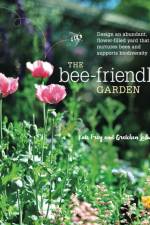
For every gardener who cares about the planet, this guide to designing a bee garden helps you create a stunningly colorful, vibrant, healthy habitat that attracts both honeybees and native bees.In The Bee-Friendly Garden, award-winning garden designer Kate Frey and bee expert Gretchen LeBuhn provide everything you need to know to create a dazzling garden that helps both the threatened honeybee and our own native bees. No matter how small or large your space, and regardless of whether you live in the city, suburbs, or country, just a few simple changes to your garden can fight the effects of colony collapse disorder and the worldwide decline in bee population that threatens our global food chain. There are many personal benefits of having a bee garden as well! Bee gardens:· contain a gorgeous variety of flowers· bloom continuously throughout the seasons· are organic, pesticide-free, and ecologically sustainable· develop healthy and fertile soil· attract birds, butterflies, and other beneficial insects· increase the quantity of your fruit and vegetable harvest· improve the quality, flavor, and size of your produceIllustrated with spectacular full-color photos, The Bee-Friendly Garden debunks myths about bees, explains seasonal flower progression, and provides detailed instructions for nest boxes and water features. From "super blooming" flowers to regional plant lists and plants to avoid, The Bee-Friendly Garden is an essential tool for every gardener who cares about the planet and wants to make their yard a welcoming habitat for nature's most productive pollinator.
Become self-sufficient at home with this great two book collection. Self-sufficiency For Dummies Collection includes Growing Your Own Fruit & Veg For Dummies and Keeping Chickens For Dummies UK Edition.
First published in French as Alternatives au gazon in 2011.
Abonner på vårt nyhetsbrev og få rabatter og inspirasjon til din neste leseopplevelse.
Ved å abonnere godtar du vår personvernerklæring.