



Gjør som tusenvis av andre bokelskere
Abonner på vårt nyhetsbrev og få rabatter og inspirasjon til din neste leseopplevelse.
Ved å abonnere godtar du vår personvernerklæring.Du kan når som helst melde deg av våre nyhetsbrev.

The world''s leading resource on biointensive, sustainable, high-yield organic gardening is thoroughly updated throughout, with new sections on using 12 percent less water and increasing compost power. Long before it was a trend, How to Grow More Vegetables brought backyard ecosystems to life for the home gardener by demonstrating sustainable growing methods for spectacular organic produce on a small but intensive scale. How to Grow More Vegetables has become the go-to reference for food growers at every level, whether home gardeners dedicated to nurturing backyard edibles with minimal water in maximum harmony with nature''s cycles, or a small-scale commercial producer interested in optimizing soil fertility and increasing plant productivity. In the ninth edition, author John Jeavons has revised and updated each chapter, including new sections on using less water and increasing compost power.
Although the integration of sculpture in gardens is part of a long tradition dating back at least to antiquity, the sculptures themselves are often overlooked, both in the history of art and in the history of the garden. This collection of essays considers the changing relationship between sculpture and gardens over the last three centuries, focusing on four British archetypes: the Georgian landscape garden, the Victorian urban park, the outdoor spaces of twentieth-century modernism and the late-twentieth-century sculpture park. Through a series of case studies exploring the contemporaneous audiences of gardens, the book uncovers the social, political and gendered messages revealed by sculpture''s placement and suggests that the garden can itself be read as a sculptural landscape.
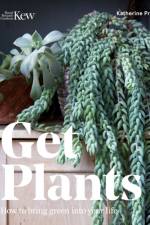
This no-nonsense, beautiful book is a practical guide guaranteed to inspire any reader, and shows that with a little know-how you can find a plant that will flourish in the many different "ecological niches" available in and around your home.
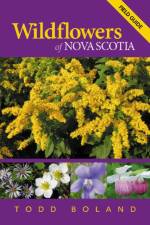
An authoritative guide to over 700 species of native and introduced species of wildflowers in Nova Scotia. A series of page tabs and icons, along with full colour photos, offers easy identification of wild plants.
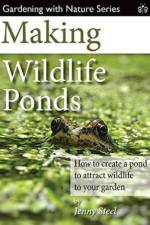
This third guide in the 'Gardening with Nature Series' gives step by step advice on where, when and how to create a pond to enrich the wildlife in your garden.
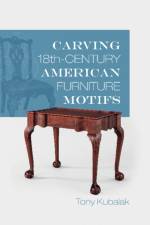
The carved embellishments found on eighteenth-century American furniture pieces are what make them memorable works of art. This book directs the serious student through nine authentic elements from the colonial period. Each chapter is devoted to one element and provides pattern drawings, detailed instructions, and abundant photographs of every step. Learn how to execute the entire process from sculpting the surface to layout, roughing in the shapes and levels, and finally carving the details. The selected projects are chosen from historically important eighteenth-century furniture and adorned some of the best pieces ever made. Although the book tackles advanced topics, the instruction is logical and complete so that the serious reader, independent of skill, can successfully work through the steps.
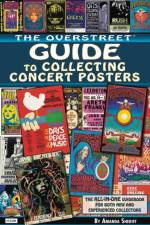
Suitable for new and experienced collectors alike, this volume melds the artwork of talented concert poster artists with the melodies of great musicians as we investigate the influences of artists such as Wes Wilson, Bonnie MacLean, Rick Griffin and Frank Kozik with bands like Jefferson Airplane and The Grateful Dead.
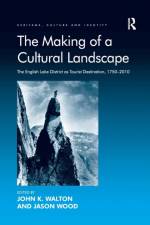
For centuries, the English Lake District has been renowned as an important cultural, sacred and literary landscape. It is therefore surprising that there has so far been no in-depth critical examination of the Lake District from a tourism and heritage perspective. Bringing together leading writers from a wide range of disciplines, this book explores the tourism history and heritage of the Lake District and its construction as a cultural landscape from the mid eighteenth century to the present day. It critically analyses the relationships between history, heritage, landscape, culture and policy that underlie the activities of the National Park, Cumbria Tourism and the proposals to recognise the Lake District as a UNESCO World Heritage Site. It examines all aspects of the Lake District''s history and identity, brings the story up to date and looks at current issues in conservation, policy and tourism marketing. In doing so, it not only provides a unique and valuable analysis of this region, but offers insights into the history of cultural and heritage tourism in Britain and beyond.
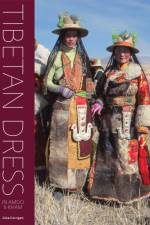
Exploring the vast range of materials and techniques used in the making of Tibetan clothing and ornaments, this book takes a closer, more intimate look at the different cultural groups within this diverse country, discussing how national costume relates to their everyday life. The technical approach will appeal to spinners, weavers, felt makers, braiders, embroiderers, jewellers and costume enthusiasts. The book will also interest many general readers in Europe and America who are fascinated by the aura of the Tibetan Region; the lifestyle of the people who live amongst Tibet's high peaks, emerald forests, and stunning lakes command world-wide interest. Richly illustrated with the author's evocative contemporary high quality photographs, dating from the mid 1980s, this book is a visual journey into the heart of the country. It documents the people, and their costumes and related crafts, focussing on the historical Tibetan regions of Amdo and Kham. Tibetan Clothing and Jewellery is unique in its reflection of historical material. It combines this academic knowledge base with original observations and wide-ranging interviews with nomads and farmers, all of which centre around costumes locally possessed and worn by Tibetans today.
In addition to recipes for figs, peaches, cherries, pineapples, and other fruits, this compact, vintage guide from the 1890s offers suggestions for cultivating a garden, from spraying trees to expelling snails and slugs.
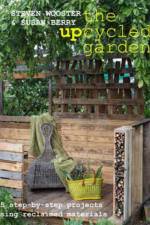
Steven and Susan show how to create a range of useful structures and furnishings, both large and small, at relatively little expense by using mostly recycled materials. The book then showcases a variety of projects, each project includes step-by- step construction techniques with illustrations.
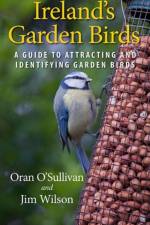
A guide to identifying Irish garden birds. Each species is accessibly described, with details of identification, status, songs and call, and much more. The species descriptions are enhanced by beautiful color photographs.
The formal gardens of Elizabethan England were among the glories of their age
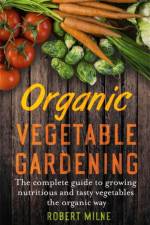
The second edition of this practical, comprehensive book has been revised to include new ideas for increasing yields, and how gardeners can adapt to climate change.
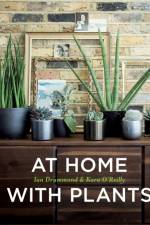
Get inspired to give your home a natural make-over with this stunning book from award-winning interior landscape designer Ian Drummond and interiors editor Kara O'Reilly now in a new edition with a revised directory and chic new cover.
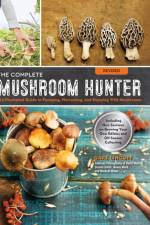
In The Complete Mushroom Hunter, Revised, Gary Lincoff escorts you through the culinary history of the mushroom and on to preparing and serving the fungi.
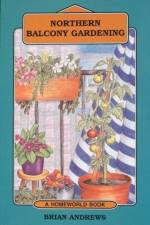
In the land of apartment condos, container gardening is a booming pasttime. This book will guide you from seed to harvest with sections on flowers, garden planning, design and pest control.
Food is super! There''s all sorts of things you can do with fruit and veg - and not always what you''d expect. Whether it''s cooking delicious dishes, looking after your teeth or making facepacks, there''s all kinds of interesting, healthy uses for fruit and veg. Each book in the Super Foods series takes a look at one ingredient and shows a host of uses - both practical and delicious. The first books in the series are: Avocado, Cucumber, Pomegranate, Lemon, Beetroot and Coconut.
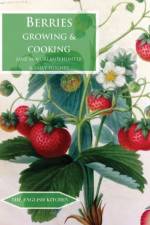
Berries were the food of the Olympian gods, and beloved by the Pilgrim founders, with new varieties like Haskap delighting us today.
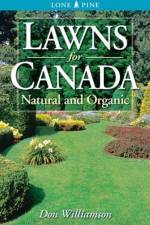
Awareness of the negative effects of chemical pesticides on our environment and our health has never been higher. In response, many Canadian municipalities have enacted or are considering bylaws that ban the cosmetic use of pesticides. In light of the growing public awareness of this issue, garden writer and turf expert Don Williamson has written a timely new book that provides comprehensive knowledge and information on how to grow and maintain a chemical-free lawn for Canadian conditions. Filled with photos and illustrations, the topics covered include: ΓÇó how to prepare the soil for seeding or sodding ΓÇó how to check your soil for proper drainage and how to deal with problem areas ΓÇó how to establish a proper grade for your lawn ΓÇó planting strategies for seeding and sodding ΓÇó the best turfgrass species and cultivars ΓÇó lawn plants other than grass ΓÇó instructions for proper mowing, edging, watering, fertilizing and aerating ΓÇó identifying lawn problems, troubleshooting and strategies for repair ΓÇó a yearly calendar you can use for maintaining your lawn ΓÇó a review of equipment for use in lawn installation and maintenance
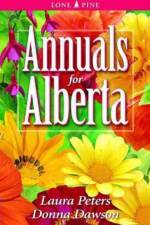
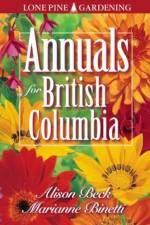
Discover the 281 best annuals for British Columbia with this richly illustrated, colourful guide. Organized into 80 accounts, this book will acquaint you with the species, varieties, hybrids and cultivars that are best suited to your garden.
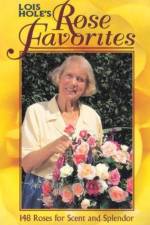
In this book, Lois Hole describes her 148 favorite varieties and offers practical advice on what roses to grow for fragrance, color and splendor. She also includes information on the soil, light, climate and moisture conditions required for success.
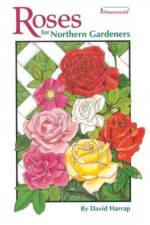
Easy-to-follow advice with tips on buying roses, planting in beds and containers, rose care, pruning and insect control. Also includes recipes for jam, rose brandy and potpourri, how to handle cut-flowers, overwintering and more.
Abonner på vårt nyhetsbrev og få rabatter og inspirasjon til din neste leseopplevelse.
Ved å abonnere godtar du vår personvernerklæring.