













Gjør som tusenvis av andre bokelskere
Abonner på vårt nyhetsbrev og få rabatter og inspirasjon til din neste leseopplevelse.
Ved å abonnere godtar du vår personvernerklæring.Du kan når som helst melde deg av våre nyhetsbrev.

Some 650 community gardens dot the city of New York. These gardens are attended by some of the least advantaged residents of the city. Urban residents use these spaces for horticulture, recreation, social gatherings, and artistic and cultural events. This book shows how, in the process of attempting to protect these highly contested spaces.
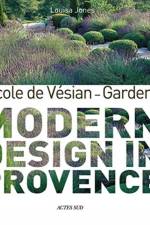
How do you design a landscape book suitable for its intended uses? How can the natural qualities of a landscape be enhanced with new features and focal points? How can you make pedestrians stay on the footpath? What kind of plant, path or wall should you put where, and what sort of contract should you choose for your client's contractor.
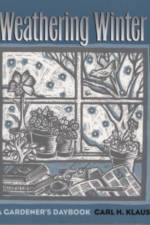
The author reminds readers that the season of brown twigs and icy gales is just as much a part of the year as the time when the tulips open and tomatoes thrive. He keeps track of snow falling, birds flocking, soups simmering, garden catalogues arriving, buds swelling and seed trays coming to life.
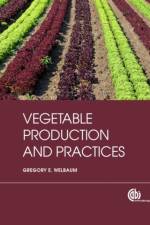
This textbook brings the science and practice of vegetable production up to date by addressing modern culture techniques and the recent challenges of consumer demand facing producers today. It introduces vegetable production from the perspective of producing high quality produce that satisfies the needs of the modern consumer.
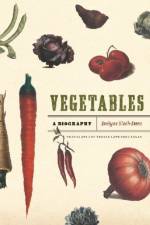
Includes capsule biographies of eleven different vegetables - artichokes, beans, parsnips, cabbage, cardoons, carrots, chili peppers, Jerusalem artichokes, peas, pumpkins, and tomatoes. This title explores the world of vegetables in all its facets, from science and agriculture to history, culture, and, of course, cooking.
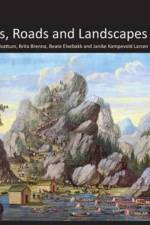
Routes and roads make their way into and across the landscape, defining it as landscape and making it accessible for many kinds of uses and perceptions. Bringing together scholars from cultural history, geography, philosophy, and a host of other disciplines, this collection examines the complex entanglement between routes and landscapes.
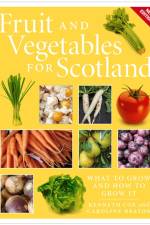
This fascinating and practical book explores the history of fruit, vegetable and herb growing in Scotland, and provides a contemporary guide to the best techniques for growing produce, whether in a garden, allotment, patio or window box.
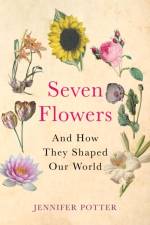
The lotus, lily, sunflower, opium poppy, rose, tulip and orchid: one of our finest horticultural historians considers a septet of flowers that have enflamed hearts and minds in cultures around the world.
The book contains aspects of production, genetics and breeding of Capsicum species with emphasis on fruit quality, yield and its nutritional characteristics among with some specific chapters focusing on breeding and physiological features of potted ornamental Chili and responses to abiotic stress and postharvest of fruits.
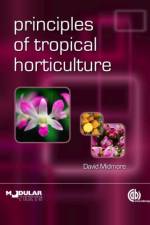
Focusing on the principles behind production practices and their scientific basis, rather than detailed biological traits of each crop, this text outlines successes and failures in practices to date and sets out how the quantity and quality of horticultural produce can improve in the future.
Bringing together a varied selection of texts on Roman horticulture, celebrating herb and vegetable gardening in verse and prose spanning five centuries, these translations bring to life the techniques and obstacles, delights and exasperations of the Roman gardener.
How to Read Gardens is the essential guide for the garden visitor.
An illustrated gardener's guide to the different varieties of bulbe vegetables, their history and cooking uses
This work on the culture of the potato presents recent scientific information for potato growers in an accessible language and format. It offers all the information needed to harvest a bountiful crop, and is addressed specifically to field production-oriented technicians and growers.
Geoffrey Bawas architectural work is well documented, but less attention has been paid to his work on gardens. This book focuses on his two most famous gardens: Lunuganga, on his own estate, and the lesser-known garden he fashioned for his brother, Bevis.
Humans have long turned to gardens - both real and imaginary - for sanctuary from the frenzy and tumult that surrounds them. This book offers an examination of the many ways gardens evoke the human condition. It shows how the garden has served as a check against the destruction and losses of history.
This book will make fascinating reading for the chemist with an interest in gardening as well as the gardener with a general interest in the scientific processes involved in the garden.
In Kew's Big Trees you can discover how one of the world's best tree collections came to be and learn the stories behind 20 of its most intriguing trees.
Presents a activity plan that benefits the development of relationships between adults over 70 and school-age children. This book applies the Sensory Garden design to a specific population, with a focus on the human senses that are stimulated by the garden. It shows how a Sensory Garden comes alive in a structured therapeutic horticulture program.
Information on applied topics in horticultural sciences. This book emphasizes applied topics including the production of fruits, vegetables, nut crops, and ornamental plants of commercial importance. Numerous references provide easy, time-saving and cost effective access to the primary literature.
The poetic appreciations of gardens by Andrew Marvell and John Keats sit alongside the horticultural passions of Frances Hodgson Burnett and the mythic power of gardens as described by Charlotte Bronte and William Blake.
Terry Walton has kept an allotment in the Rhondda Valley in South Wales for over fifty years. Then, in 2006, after half a decade of happy gardening, Terry's allotment was adopted by the Jeremy Vine Show and he became an unlikely media star.
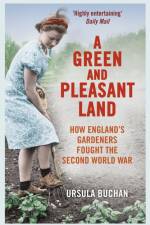
Gardening in wartime Britain was a part of the fight for freedom. This book tells the story of how Britain's wartime government encouraged and cajoled its citizens to grow their own fruit and vegetables.
Abonner på vårt nyhetsbrev og få rabatter og inspirasjon til din neste leseopplevelse.
Ved å abonnere godtar du vår personvernerklæring.