





Gjør som tusenvis av andre bokelskere
Abonner på vårt nyhetsbrev og få rabatter og inspirasjon til din neste leseopplevelse.
Ved å abonnere godtar du vår personvernerklæring.Du kan når som helst melde deg av våre nyhetsbrev.

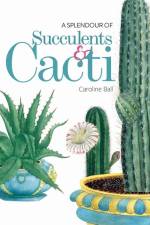
Succulents, especially cacti, are the current focus of serious ecological studies but also the darlings of designers and style influencers. Their endearing, characterful looks have given them the status of trendy 'plant pets'. But succulentomania is not new. While these plants have always been part of the landscape in the dry vastnesses of the Americas, Australia and Africa, curiosities such as furry-flowered stapeliads and euphorbias like snakes were a source of fascination for early European plant collectors - and in eighteenth-century Bavaria a prosperous apothecary grew an 'American aloe' that astounded all who saw it. This apothecary, Johann Wilhelm Weinmann, was the mastermind behind a groundbreaking book in which he aimed to include thousands of plants from all over the world, describing their individual characteristics and commissioning magnificent colour illustrations of each specimen. The succulents he featured are reproduced here in all their splendour. We may no longer look to them to treat gangrene, manufacture glass or disperse kidney stones, but succulents are proving of great interest to modern medicine and agriculture, and we can marvel at them afresh not only as wonders of nature but also as works of art.
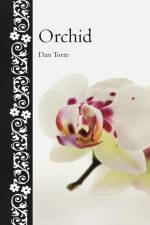
A wide-ranging natural and cultural history of orchids. Approximately eight percent of all the Earth's flowering species are orchids. Known for their beautiful flowers, delicate forms, and sweet fragrances, orchids are unlike any other flower. Orchids have been contemplated by philosophers, celebrated by artists, and cultivated or even eaten by millions. They occupy our thoughts, stories, greenhouses, supermarkets, and homes. Orchid surveys all of this and more as Dan Torre explores the intriguing and multifaceted natural and cultural history of orchids.
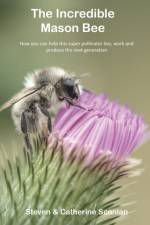
The mason bee is a major global spring pollinator. The authors have successfully deployed over 250 Mason bee houses across Vancouver Island, British Columbia, and provide education to schools, gardeners, and the community.Mason bees are fun to keep and make a difference in pollination in the garden, farms, and community spaces. The Incredible Mason Bee book teaches you about these bees, their management, and how to make your own mason bee house in your own garden to attract these delightful insects. Includes useful information about common issues and challenges with mason bee houses and reassurance as to the safety of keeping mason bees.The mason bee is more productive in pollinating your garden than honeybees. Keeping these bees is fun and educational for children and adults alike. Taking less than 6 hours per year to manage, mason bees are the ultimate backyard-friendly bee, essential in the pollination of early flowering fruit trees, vegetables, and flowers. Mason beekeeping is a hobby for all ages, it is safe, engaging, interesting, and instrumental in responsibly maintaining and sustaining the ecosystem.The book introduces you to the different types of houses, the benefits and challenges of each, and the pests that you may encounter as you build out your mason bee community. It is informative, supportive, and engaging for all ages.
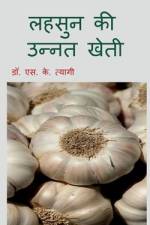
This book provides technical information about the latest techniques related to garlic production, improved varieties, field preparation, planting techniques, irrigation management, integrated nutrient management and integrated pest and disease management. I hope that this book will prove useful for extension workers, farmers and students. Dr. S. K. Tyagi
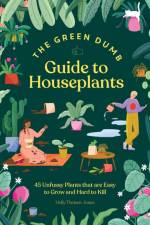
Profiles of 45 house-plants that are easy to find and even easier to grow.
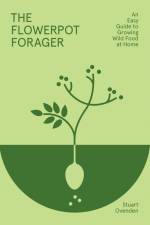
The Flowerpot Forager is a beginners' guide to growing wild food in pots, making foraging easy. The Flowerpot Forager details 30 wild edible plants that can be grown at home in containers with as much effort as you'd put into your tending your herb pot from the supermarket, plus a very simple recipe or two on how to use them—think pink clover lemonade, water mint pesto and dandelion salad. Foraging is a perennially aspirational hobby for gardeners and cooks alike, but it's now entering the mainstream; from supermarkets stocking wild garlic to Fever Tree spiking their tonics with elderflower, wild food is everywhere. Historically, location has hampered the accessibility of foraging—if you don't live near a wood, riverbed or meadow, it can be difficult to find those lusted-after ingredients in cookbooks and on TV shows. But The Flowerpot Forager is here to solve that.
The ultimate go-to guide for aspiring indoor gardeners, this book offers inspiration and instruction for you to create your own gorgeous in-home garden spaces.
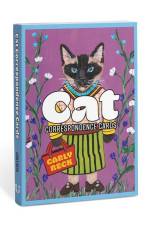
This book of 20 postcards showcases whimsical, feline portraits. These cool cats are outfitted in fashionable clothing and accessories. Each kitty is striking a pose against a backdrop of colorful wallpaper or a quaint city scene. Flip through the postcard book to find your favorite tabby being a fashionista.
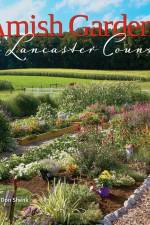
A rare, intimate tour of Amish vegetable gardens and 32 family recipes celebrating their eclectic mix of the utilitarian and ornamental.
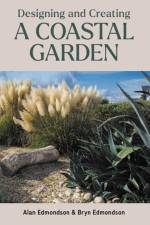
Includes an illustrated step-by-step design process as well as practical horticultural advice for beginner and experienced gardeners alike. Sample planting plans for a variety of styles and situations, including details of how to create shelter belts to protect more vulnerable planting. How to make your coastal garden sustainable and wildlife-friendly, with a detailed look at the use of native planting and the types of bird and invertebrate life that supports.
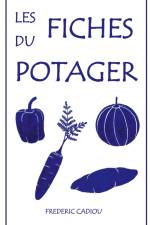
Cultiver ses propres fruits et légumes est une occupation vertueuse permettant de consommer des aliments sains et peu onéreux, tout en participant au maintien d'une activité physique régulière.Dans cet ouvrage de 158 pages sont colligées des fiches comportant les informations allant à l'essentiel, du semi à la récolte, de 82 plantes potagères, aromatiques, fruits et légumes.D'autres chapitres abordent la création des parcelles, la réalisation des semis, un calendrier des semis et des plantations, les traitements naturels ou encore la récupération des semences.Enfin, chaque fiche comprend des informations concernant les qualités nutritionnelles et les propriétés attribuées à chaque plante, références scientifiques à l'appui.Ces fiches vous accompagneront toute l'année pour la bonne conduite de vos cultures.
Knjiga vas preko 20 poglavij vzpodbuja, kako lahko zdravilne in üitne samonikle rastline sprejmete za svoje prijateljice. Vsebuje mojo zgodbo drüenja s posamezno rastlino, ki naj navdihe tudi vas. Vsebuje opis rastlin, nasvete, kako jih lahko uporabimo za zdravje in hrano, znäilne üinkovine, zanimive zgodbe njihove uporabe skozi zgodovino.V knjigi je 48 receptov kako lahko uporabite rastline:· poizkusite pripraviti sorbet z mövirskim osladom, orehov liker, lipov sirup z vrtnicami, namaz iz morskega koprca, omako iz kopriv, sivkin kolä, kekse z regratovimi cvetovi, zeli¿¿ne ¿aje...· bi se radi preizkusili v izdelavi svojega ¿entjan¿evega olja, ognji¿evega mazila, smiljeve kreme ali seruma za obraz, sivkinega mila, repelenta proti komarjem z römarinom...? Vse to najdete v knjigi.Ob rastlinah se lahko tudi sprostite. Upöasnite se, odlöite elektronske naprave in stopite v stik z njimi. Bodite pozorni na väe ¿ute in üivajte:· prepustite se ob¿utkom ob veli¿astnem pogledu na ne¿na vijoli¿na polja sivke in dovolite, da vam düa kar poleti v vi¿ave· potipajte lista ¿ajblja poraslega z drobnimi mehkimi dläicami in poböate bezgov cvet, ki je kot ¿ipkasta nevestina obleka· povonjajte sladkobni vonj cvetov oslada, ki tako zelo spominjajo na med, ali meto, katere sve¿ vonj vas takoj prebudi· sedite na kamnito klop pod mogöno lipo in prisluhnite zgodbam, ki jih ¿epetajo njene veje, ko zaple¿ejo v vetru in prepustite väe misli naj zaple¿ejo z njimiVzpostavite dialog z rastlinami, drüite se z njimi in poizkusite jih uporabiti na razli¿ne nove näine, ki bodo telesu in düi v prid.Komu je namenjena?· Vsem, ki ste ljubitelji narave in vsem, ki to ¿e niste, pa bi ¿eleli postati, saj verjamem, da vas bo ta knjiga vzpodbudila.· Radovednim, ki ¿elite iz rastlin, ki jih sami naberete, pripraviti nekaj drugänega. Tistim, ki se ¿elite v drüenju z rastlinami sprö¿ati in üivati.· Mojim otrokom kot dedi¿¿ina, kot zbirka preprostega uporabnega znanja in idej o rastlinah, ki sem jih zbrala in zapisala. ¿elim si, da bi se ohranili za naslednje rodove. Mnogo drüinskih zgodb in receptov je zbranih v knjigi, z namenom, da se ne pozabijo.· Mojim prijateljem in znancem, ki me pogosto spräujejo o zdravilnih rastlinah in bi jih uporabljali ¿e ve¿, ¿e bi imeli ideje, kako. Mnogo spominov in receptov v tej knjigi je iz näih sre¿anj z njimi.· Vsem vam, ki ste na to knjigo naleteli po nakljüju in vas je pritegnila, saj ste najbr¿ sorodna düa, ki vas zanimajo rastline in narava enako kot mene. Verjamem, da boste v knjigi näli veliko navdihov. Pozdravljeni prijatelji, ki vas ¿e ne poznam.Kako so nastale fotografije?Avtor fotografij je Jan Poreber. Po izobrazbi je in¿enir medijske produkcije, ukvarja se s fotografijo, video in audio produkcijo ter grafi¿nim o
Abonner på vårt nyhetsbrev og få rabatter og inspirasjon til din neste leseopplevelse.
Ved å abonnere godtar du vår personvernerklæring.