







Gjør som tusenvis av andre bokelskere
Abonner på vårt nyhetsbrev og få rabatter og inspirasjon til din neste leseopplevelse.
Ved å abonnere godtar du vår personvernerklæring.Du kan når som helst melde deg av våre nyhetsbrev.

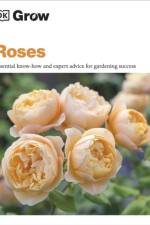
Discover the secret to successfully growing and nurturing beautiful roses.Ideal for first-time gardeners, Grow Roses contains everything you need to bring spectacular colours and gorgeous scents to your garden.Learn how to grow and care for a variety of roses with tips on selecting the right site, planting, and pruning. Discover the perfect roses for your own outdoor space with a handy directory of the best varieties for every situation, as well as the ideal plants to grow alongside them. With their ease of cultivation, tolerance to varied climates, and sublime beauty, roses are the perfect flower for the modern garden.Packed with practical, jargon-free know-how, this easy-to-use guide has everything you need to know to help your garden Grow.
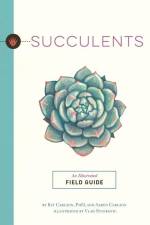
A beautifully illustrated pocket-size guide to succulents---a must-have for any houseplant enthusiast's library.
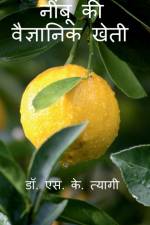
This book provides technical information about the latest technology related to acid lime production, improved varieties, field preparation, planting techniques, irrigation management, integrated nutrient management and integrated pest and disease management. I hope that this book will prove useful for extension workers, farmers and students.Dr. S. K. Tyagi
Le mycélium de pleurote est un réseau de filaments microscopiques qui constitue la partie végétative du champignon
A beautifully repackaged edition of Sarah Raven's Garden Cookbook - a modern classic celebrating fresh ideas, inspiration and deliciously simple recipes for eating seasonally.Taking us through the year in six seasonal chunks of two months each, Sarah Raven highlights the best vegetables, fruit and herbs grown in the UK. For each one, there are hosts of simple yet inspiring recipes - over 450 in all - ranging from Warm broad bean salad to Green mayonnaise; Spinach and Gruyère tart to Mint and pea tip risotto; Sweet potato gratin to Celeriac soufflé; and Basil ice cream to Damson and almond pudding.Sarah Raven's Garden Cookbook offers a practical, colourful and delicious repertoire of ideas that put vegetables, herbs and fruit at the centre of every meal, all year round.
Published to coincide with the 2016 tercentenary of the birth of Lancelot 'Capability' Brown, arguably Britain's greatest ever landscape gardener, this book is uniquely positioned to put Brown's work into its social context.
Are you a new gardener looking to grow vegetables and herbs? "Your First Vegetable Garden" is the ultimate guide to getting started. With step-by-step instructions and expert advice, this comprehensive book covers everything you need to know to set up your garden, grow your own produce, and harvest it for use in the kitchen.Organized by the different families of vegetables and herbs, such as the Leafy-Roots family (beets, chard, spinach), the Mustard family (broccoli, cabbage, kale), and the Pea family (beans, peas, lentils), this book will help you learn about each plant and how to grow it successfully.In addition to vegetable and herb growing techniques, "Your First Vegetable Garden" also covers pest and disease management, with a detailed section on common pests in vegetable gardens and strategies for controlling them.But that's not all! You'll also learn how to collect and store seeds for future planting, ensuring you'll always have a bountiful garden. And with monthly task lists, you'll know exactly what needs to be done in your garden throughout the year.With "Your First Vegetable Garden," you'll be able to set up your garden, grow all your fruit, vegetables, and herbs at home, and harvest them for use in the kitchen. So if you're ready to start your vegetable gardening journey, this book is the perfect guide to help you get started.Order your copy of "Your First Vegetable Garden" today and start growing your own produce!
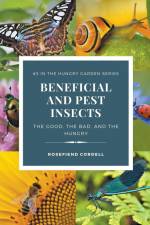
Book 3 of the Hungry Garden series talks about the other hungry species dwelling in your garden - insects! Whether they're eating your plants - or eating the insects that are eating your plants - insects are fascinating to learn about, even the garden-wreckers.Learn to observe what lives on your roses, what's laying eggs on the underside of your tomato leaves, and what insects are lying in ambush for pests. This book will help you tell the helpful bugs from the harmful ones, and walk you through ways to encourage beneficial insects while discouraging the pests and helping you to limit pest damage.This volume covers a plethora of beneficial insects, including damselflies, lacewings, ladybugs, wheel bugs and assassin bugs, praying mantis, big-eyed bugs, wasps, cicada killers, and leaf-cutter bees. It also has a rouge's gallery of pest insects: mealybugs, whiteflies, scale, stink bugs, fungus gnats, flea beetles, tomato hornworms, aphids, spotted cucumber beetles, spider mites, thrips, Japanese beetles, squash bugs, grasshoppers, and emerald ash borers. We also have ways you can control pests without harmful chemicals and sprays, and ways to attract your insect friends, create a habitat for beneficial insects, and make them happy in your garden.Beneficial and Pest Insects is a little handy-dandy manual that walks you through the pest insects that might be in your garden and thebeneficial insects that you would like to see more of. Focusing on a plant-positive approach - in which the health of the plants is considered over the random eradication of random insects - this book is a naturalist's/gardener's look at the fascinating and busy world of insects in the garden.
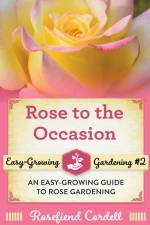
Roses are the Queen of Flowers. They're beautiful, fragrant, and elegant - and roses require all the pampering of a real Queen, don't they?Actually, they don't!Rose gardening can be easy and pleasant. I've worked 25 years in horticulture and cared for over 300 roses in a public rose garden when I was municipal horticulturist. I found ways to keep rose gardening fussbudgetry to a minimum while growing vigorous roses that bloomed their heads off. Rose to the Occasion: An Easy-Growing Guide to Rose Gardening shares tricks and shortcuts that rosarians use, plus simple ways you can keep up with your to-do list in the rose garden.Gardeners of all skill levels will find this book helpful, whether they be beginning gardeners or old rosarians, whether they have a green thumb or a brown thumb.Rose to the Occasion includes* old illustrations of roses in bloom, plus historical background on each flower* down-to-earth wisdom on how to plant, grow, and prune roses* the in and out of fertilizing roses to get the lushest foliage and best blooms* advice on choosing the right rose for your garden, as well as many easy-growing varieties* the latest on organic pest control and fungicide use in the rose garden* hardy, tough old roses that can take whatever Mother Nature throws at them* and general garden maintenance help that you can use anywhere in the garden.If you love The Rose Bible by Rayford Clayton Reddell, or books by David Austin, or books like Right Rose, Right Place; or Everyday Roses: How to Grow Knock Out® and Other Easy-Care Garden Roses; or The Organic Rose Garden, and if you like garden books leavened with humor -- then this book is for you.
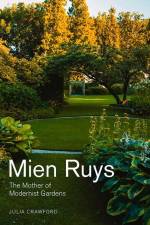
Mien Ruys, who worked mostly in the Netherlands for almost 60 years, was one of the most influential landscape architects of the 20th Century. A leading proponent of modernist design, she introduced clean lines, geometric shapes and innovative materials. One of the few women members of CIAM, she collaborated regularly with architects including Aldo van Eyck and Gerrit Rietveld, often on much needed social housing schemes. Uniquely, she combined this modernist approach with an extensive knowledge of plants and planting, which she learnt in her father's Royal Moerheim Nursery in Dedemsvaart. At the nursery, she met Gertrude Jekyll - who greatly influenced Mien as she developed her own loose, natural style of planting - and created 30 experimental gardens from which lessons which can still be learnt.
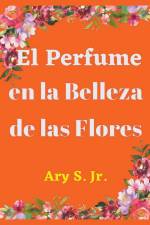
Uma flor é a estrutura reprodutivadasplantas que produzem sementes. Ela geralmente é composta por quatro partes principais: sépalas, pétalas, estames e carpelos. As sépalas são as folhas modificadas que protegem a flor antesdeela desabrochar, enquanto as pétalas são as folhas modificadas que geralmentedão cor e atratividade à flor. Os estames são as estruturas masculinas que produzem o pólen, e os carpelos são as estruturas femininas que contêm os óvulos. Quando ocorre a polinização, o pólen é transferido do estame para o carpelo, onde fertiliza o óvulo e produz uma semente.
A flower is the reproductive structure of plants that produce seeds. It is usually composed of four main parts: sepals, petals, stamens and carpels. The sepals are the modified leaves that protect the flower before it blooms, while the petals are the modified leaves that usually give the flower its color and attractiveness. The stamens are the male structures that produce pollen, and the carpels are the female structures that contain the ovules. When pollination occurs, pollen is transferred from the stamen to the carpel, where it fertilizes the ovule and produces a seed.
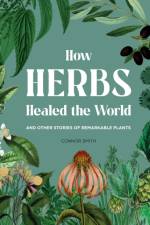
An expertly written and beautifully illustrated guide to the 75 herbs that have been vital to human existence; from oral traditions and culinary history to modern medicine.
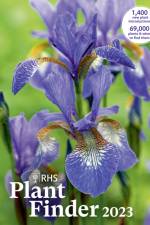
First published in 1987 and providing a snapshot of British garden plants and trends for more than 30 years, the RHS Plant Finder is a horticultural bible. Published once a year, it lists all the plants available from more than 300 nurseries in the UK and Europe. You can identify the plant you want and see its stockists nationwide alongside website, mail order information, opening times and contact details for each nursery.
Une fleur est la structure reproductive des plantes qui produisent des graines. Il est généralement composé de quatre parties principales : sépales, pétales, étamines et carpelles. Les sépales sont les feuilles modifiées qui protègent la fleur avant qu'elle ne fleurisse, tandis que les pétales sont les feuilles modifiées qui donnent généralement à la fleur sa couleur et son attrait. Les étamines sont les structures mâles qui produisent le pollen et les carpelles sont les structures femelles qui contiennent les ovules. Lors de la pollinisation, le pollen est transféré de l'étamine au carpelle, où il fertilise l'ovule et produit une graine.
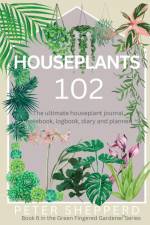
Houseplants 102 is the companion journal to the hugely successful book Houseplants 101 by Peter Shepperd. In this essential logbook, you can confidently look after all of your houseplants by listing, tracking and monitoring them day by day, month by month and year by year.Houseplants should not be avoided they should be included but so many people have struggled at one time or another to keep them alive, worry no more. Houseplants 102 is here to help you monitor your loving plants and grow your caregiving skills.In this journal you can keep a log for each plant and list the:NameBotanical NameTypePurchased LocationPrice PaidGermanated DatePlanted DateLocation PlantedToxicityStarted From DateTemperatureWater RequirementsHumidity RequirementsSunlight RequirementsPlanting InstructionsCare InstructionsFertiliser / Soil / Amendment / Herbicide DetailsTransplant / Propogate / Divide DetailsPests / Problems DetailsSeasonal ChangesCommon IssuesThere is also a To-Do list for each plant as well as a notes section and section for a photo or sketch.Also included x4 bonus features:Plant Inventory ListPlant Location ListSeasonal Watering ScheduleX12 Cut Out Monthly Care Plan Charts Covering Watering, Feeding And RepottingHouseplants are for everyone and now you can confidently look after your own regardless of how temperamental they may have seemed in the past.
Una flor es la estructura reproductiva de las plantas que producen semillas. Suele estar compuesto por cuatro partes principales: sépalos, pétalos, estambres y carpelos. Los sépalos son las hojas modificadas que protegen a la flor antes de que florezca, mientras que los pétalos son las hojas modificadas que suelen dar a la flor su color y atractivo. Los estambres son las estructuras masculinas que producen el polen y los carpelos son las estructuras femeninas que contienen los óvulos. Cuando ocurre la polinización, el polen se transfiere del estambre al carpelo, donde fertiliza el óvulo y produce una semilla.
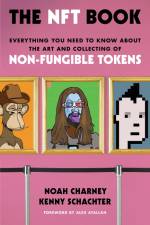
The book describes what NFTs are, how they are created, how they're marketed, and how to buy, collect, and sell them.
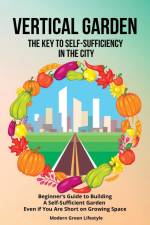
Short on growing space?A vertical garden is the key to self-sufficiency in the city!Modern Green Lifestyle offers an ingenious solution for maximizing productivity for gardeners working in small spaces: grow up! You can reap bountiful harvests in even the smallest growing areas by using tepees, trellises, hanging baskets, cages, wall pockets, and multilevel raised beds. Vertical Garden: The Key to Self-Sufficiency in the City shows you how to build and maintain a thriving and abundant garden in whatever small space you have available, from kiwis on a clothesline to tomatoes dangling outside a window.Here's a taste of what you'll find in this useful guide:Types of Vertical Gardening SystemsVertical Gardening Benefits Extimating Costs Start Building Your Vertical Garden - Step-by-Step Process Vertical Garden Techniques Maintenance Plants for Your Vertical Gardens (Herbs, Vegetables, Fruits, and Legumes)Hydoponics and Aeroponics Garden Method And much more!
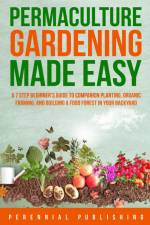
Discover the joy of permaculture gardening and farming and start your journey to sustainable, eco-friendly living with this comprehensive guidebook on permaculture!You may have heard of the news or experienced it in real-time, but there's a global crisis concerning the state of our planet. Concerned, you thought of sustainable ways to help nature recover, but your efforts end up in vain.The good news is, there is a method to help Mother Nature regain its balance, and you don't need to be an expert to do so!Over 40 years ago, the concept of permaculture was born, opening people's minds to sustainable and self-sufficient living.Four decades later, millions of people around the world are practicing permaculture, with more becoming interested in the approach.The fundamentals of permaculture are simple: care for people and the Earth, and share what you have. With these in mind, practitioners promote a system with a sense of respect for all life on the planet.You may, however, be anxious about not knowing what to do. After all, not everybody knows about permaculture.But don't worry - you don't need to be an expert to start your own permaculture garden.You are more than qualified to join the greener side as long as you have determination to have food that's healthier for you, your family, and the environment, dedication to the lifestyle, passion for change, and this guidebook to lead the way.Inside, you'll discover:The basics of permaculture, a brief history, and an explanation of how the approach was developedThe 5 permaculture zones and how to apply them in creating your own gardenPractical methods in choosing your plants based on a specific permaculture design principle on elements and functionsA 7-step guide to planning, designing, planting, and maintaining your permaculture gardenGardening 101: how to develop water systems, manage soil, and build your garden beds for an optimal permaculture gardenStrategies on how to plant your garden - and the importance of arrangement and guilds for better yieldTips and techniques for food storage and caring for your garden to keep plants alive and thrivingAnd much more.Permaculture is not a one-night solution to the woes of the world. It is a gradual, long-term process that requires patience.And if you're successful, you're bound to improve human and animal life with abundant nutrient-dense food and yield more with less work.The chance to create your own better and healthier food source and live a conscious life knowing you are helping nature is already in front of you. The next thing to do is obvious.
Critical texts, recipes, and poetry from a creative community food-growing project in Scotland. "Town Is the Garden" was a three-year creative community food-growing project run by Deveron Projects, a socially engaged arts organization in the northeast of Scotland. The project set out to explore how a rural agricultural town might rethink its relationship to food and food growing in an era of increasing awareness of climate and ecological emergency. Food becomes a lens through which to investigate the dichotomies that have led to the current environmental catastrophes. Through a collective investigation into the processes of learning and sharing skills related to food growing, the project explored how a community can better pay attention to the entanglement of human and nonhuman worlds. This set of six thought-provoking chapbooks captures the diverse creative learning program developed through the project.
This book is mainly written for the new gardener, especially those who have moved to the Deep South due to cheaper housing and energy, a milder climate, lower taxes and more. But wherever you live it is my hope that the contents of this book will speed up your gardening learning curve so that you can start harvesting things in the first month (yes, month!) and all your first year of effort.
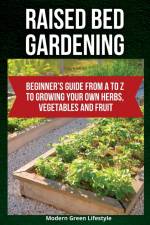
Here's how to create and care for a raised bed garden to enjoy the experience of growing and eating fresh organic herbs, vegetables, and fruit. Do you want to save money on groceries while also becoming self-sufficient by growing your own food?Do you want to make sure that the food you eat is free of potentially dangerous chemicals?Do you wish you had more time to be outside, breathing in fresh air, and moving your body?All of these can be experienced through gardening, and raised bed gardening is a quick and easy method to get started!Raised bed gardening is incredibly versatile and adaptable because you can place your plants nearly anywhere and construct your raised bed from a variety of materials such as wood, stone, brick, and more!Raised bed gardens are especially useful for those with physical restrictions because they can be elevated to any position.Furthermore, you can adjust the size to suit your needs, whether you live alone or with your full extended family.One of the most valuable benefits of having your own garden is having a consistent source of fresh and healthy food that is free of hazardous chemicals.But, you might be wondering what it takes to design and maintain a raised bed garden so that it thrives year after year. That's where this beginner's guide to raised bed gardening comes in. In this guide, you will learn:Save time and effort when starting a garden with the no-dig approachHow to plan, build, and plant your own organic garden in just a few days, and how to properly fill your bed with soil and compost to keep it healthy.The key elements that decide which plants will be the simplest to grow-no need to waste time guessing!How to protect your plants from pests and illnesses without using toxic chemicalsHow to design your garden layout so that your plants have all they need to thriveHow to choose the right materials for your raised bed to keep the soil cleanHow to make a solid drainage system to keep your plants as safe and healthy as possible.Recommendations for watering your garden to avoid future difficulties: understand when and how to properly water your plants.The foundation of a productive and well-balanced garden 56 plants to grow (herbs, vegetables and fruits)And a lot more You don't have to spend a fortune to get started with raised bed gardening; you can make one out of almost anything you already have at home or in your backyard. Begin preparing yourself today. You and your family will undoubtedly benefit from raised bed gardening!
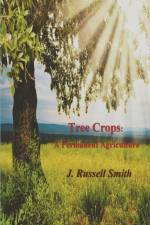
This is an excellent reference for growing high-yield fruit-and nut-bearing trees.A list of the most important books ever written about sustainable agriculture (and human health) would include Tree Crops by J. Russell Smith.
"For 125 years Country Life has presented its readers with the finest insider s tour of everything quintessentially British. Now in one volume, this spectacular collection of images offers the best of life in the British countryside, from charming Cotswolds villages to panoramic views across the Yorkshire dales and Glastonbury for readers who will revel in tramping across the heather filled moors to see King Charles s favorite view in all England, the white cliffs of Dover, and the Dark Hedges of Northern Ireland. Discover on these pages the culture and seasonal activities of country life, whether it be a gentleman farmer showing off his prize cattle, fly fishing in the Scottish highlands, swan upping on the Thames, or cricket on the village green. Country Life is renowned for its unprecedented access to the magnificent castles and palaces, as well as private estates and manor houses that dot the countryside from Dorset to the Scottish highlands, revealing many to its fans for the first time. In this volume readers are treated to the loveliest and most important houses and gardens from the last century, from Holkham Hall, Chatsworth, and Burghley, to Munstead Wood, Sissinghurst, and Kelmscott. This book satisfies readers seemingly insatiable desire to capture in their own lives a small slice of the romance of English countryside living."--Publisher description.
Abonner på vårt nyhetsbrev og få rabatter og inspirasjon til din neste leseopplevelse.
Ved å abonnere godtar du vår personvernerklæring.