












Gjør som tusenvis av andre bokelskere
Abonner på vårt nyhetsbrev og få rabatter og inspirasjon til din neste leseopplevelse.
Ved å abonnere godtar du vår personvernerklæring.Du kan når som helst melde deg av våre nyhetsbrev.

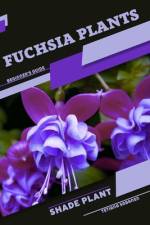
Shade plants, also known as shade-tolerant or shade-loving plants, have evolved a suite of adaptations that allow them to thrive in environments characterized by reduced light intensity. These plants have developed various strategies to capture and utilize available light energy efficiently. We will explore the key features and mechanisms employed by shade plants to successfully adapt to low-light conditions. Light Harvesting Structures: Shade plants typically possess specialized adaptations in their leaf structures to optimize light capture. These adaptations often include larger, broader leaves with a larger surface area to capture diffuse light. Additionally, some shade plants exhibit a higher leaf chlorophyll content, enabling them to absorb and utilize light more efficiently. Light-Absorbing Pigments: Chlorophyll is the primary pigment responsible for photosynthesis in plants. Shade plants may contain higher concentrations of chlorophyll a and b to maximize their light absorption in low-light environments. This increased pigment content helps these plants make the most of the limited light available. Low-Light Photosynthetic Mechanisms: Shade plants have evolved specialized mechanisms to perform photosynthesis under low-light conditions. One such adaptation is the C3 photosynthesis pathway, which is more efficient than other pathways, such as C4 or CAM, under reduced light intensity. This ensures that shade plants can produce sugars and energy even in the shade. Light-Avoidance Responses: Shade plants often exhibit light-avoidance behaviors. For instance, they may orient their leaves to minimize self-shading, allowing them to capture as much light as possible from different angles. Some shade plants may also exhibit phototropism, bending toward the light source. Nutrient Efficiency: Shade-adapted plants tend to be more resource-efficient, as they often receive fewer nutrients due to decreased sunlight. They allocate resources judiciously, prioritize nutrient allocation to photosynthetic tissues, and may exhibit reduced growth rates compared to sun-loving plants. Adaptive Morphology: Some shade plants may display unique morphological adaptations, such as increased stem elongation (etiolation) to reach higher light levels or thinner, translucent leaves to maximize light penetration to lower leaf layers. Understory and Forest Floor Ecology: Many shade plants thrive in the understory of forests or in shaded areas of ecosystems. These environments often feature reduced competition for resources, as sun-loving species are less prevalent, allowing shade plants to establish themselves successfully. Tolerance to Low Light Stress: Shade plants have evolved mechanisms to cope with potential stressors associated with low-light conditions, such as higher susceptibility to pathogens, reduced water availability, and limited nutrient uptake. These adaptations may include enhanced disease resistance and efficient water and nutrient utilization. In conclusion, shade plants have evolved a range of adaptations at the structural, physiological, and ecological levels to thrive in low-light environments. These adaptations allow them to efficiently capture, utilize, and compete for available light, ensuring their survival and growth in shaded habitats.So, this book will tech you how to grow this plant, Scroll up and get new knowledge
Shade plants, also known as shade-tolerant or shade-loving plants, have evolved a suite of adaptations that allow them to thrive in environments characterized by reduced light intensity. These plants have developed various strategies to capture and utilize available light energy efficiently. We will explore the key features and mechanisms employed by shade plants to successfully adapt to low-light conditions. Light Harvesting Structures: Shade plants typically possess specialized adaptations in their leaf structures to optimize light capture. These adaptations often include larger, broader leaves with a larger surface area to capture diffuse light. Additionally, some shade plants exhibit a higher leaf chlorophyll content, enabling them to absorb and utilize light more efficiently. Light-Absorbing Pigments: Chlorophyll is the primary pigment responsible for photosynthesis in plants. Shade plants may contain higher concentrations of chlorophyll a and b to maximize their light absorption in low-light environments. This increased pigment content helps these plants make the most of the limited light available. Low-Light Photosynthetic Mechanisms: Shade plants have evolved specialized mechanisms to perform photosynthesis under low-light conditions. One such adaptation is the C3 photosynthesis pathway, which is more efficient than other pathways, such as C4 or CAM, under reduced light intensity. This ensures that shade plants can produce sugars and energy even in the shade. Light-Avoidance Responses: Shade plants often exhibit light-avoidance behaviors. For instance, they may orient their leaves to minimize self-shading, allowing them to capture as much light as possible from different angles. Some shade plants may also exhibit phototropism, bending toward the light source. Nutrient Efficiency: Shade-adapted plants tend to be more resource-efficient, as they often receive fewer nutrients due to decreased sunlight. They allocate resources judiciously, prioritize nutrient allocation to photosynthetic tissues, and may exhibit reduced growth rates compared to sun-loving plants. Adaptive Morphology: Some shade plants may display unique morphological adaptations, such as increased stem elongation (etiolation) to reach higher light levels or thinner, translucent leaves to maximize light penetration to lower leaf layers. Understory and Forest Floor Ecology: Many shade plants thrive in the understory of forests or in shaded areas of ecosystems. These environments often feature reduced competition for resources, as sun-loving species are less prevalent, allowing shade plants to establish themselves successfully. Tolerance to Low Light Stress: Shade plants have evolved mechanisms to cope with potential stressors associated with low-light conditions, such as higher susceptibility to pathogens, reduced water availability, and limited nutrient uptake. These adaptations may include enhanced disease resistance and efficient water and nutrient utilization. In conclusion, shade plants have evolved a range of adaptations at the structural, physiological, and ecological levels to thrive in low-light environments. These adaptations allow them to efficiently capture, utilize, and compete for available light, ensuring their survival and growth in shaded habitats.So, this book will tech you how to grow this plant, Scroll up and get new knowledge
Shade plants, also known as shade-tolerant or shade-loving plants, have evolved a suite of adaptations that allow them to thrive in environments characterized by reduced light intensity. These plants have developed various strategies to capture and utilize available light energy efficiently. We will explore the key features and mechanisms employed by shade plants to successfully adapt to low-light conditions. Light Harvesting Structures: Shade plants typically possess specialized adaptations in their leaf structures to optimize light capture. These adaptations often include larger, broader leaves with a larger surface area to capture diffuse light. Additionally, some shade plants exhibit a higher leaf chlorophyll content, enabling them to absorb and utilize light more efficiently. Light-Absorbing Pigments: Chlorophyll is the primary pigment responsible for photosynthesis in plants. Shade plants may contain higher concentrations of chlorophyll a and b to maximize their light absorption in low-light environments. This increased pigment content helps these plants make the most of the limited light available. Low-Light Photosynthetic Mechanisms: Shade plants have evolved specialized mechanisms to perform photosynthesis under low-light conditions. One such adaptation is the C3 photosynthesis pathway, which is more efficient than other pathways, such as C4 or CAM, under reduced light intensity. This ensures that shade plants can produce sugars and energy even in the shade. Light-Avoidance Responses: Shade plants often exhibit light-avoidance behaviors. For instance, they may orient their leaves to minimize self-shading, allowing them to capture as much light as possible from different angles. Some shade plants may also exhibit phototropism, bending toward the light source. Nutrient Efficiency: Shade-adapted plants tend to be more resource-efficient, as they often receive fewer nutrients due to decreased sunlight. They allocate resources judiciously, prioritize nutrient allocation to photosynthetic tissues, and may exhibit reduced growth rates compared to sun-loving plants. Adaptive Morphology: Some shade plants may display unique morphological adaptations, such as increased stem elongation (etiolation) to reach higher light levels or thinner, translucent leaves to maximize light penetration to lower leaf layers. Understory and Forest Floor Ecology: Many shade plants thrive in the understory of forests or in shaded areas of ecosystems. These environments often feature reduced competition for resources, as sun-loving species are less prevalent, allowing shade plants to establish themselves successfully. Tolerance to Low Light Stress: Shade plants have evolved mechanisms to cope with potential stressors associated with low-light conditions, such as higher susceptibility to pathogens, reduced water availability, and limited nutrient uptake. These adaptations may include enhanced disease resistance and efficient water and nutrient utilization. In conclusion, shade plants have evolved a range of adaptations at the structural, physiological, and ecological levels to thrive in low-light environments. These adaptations allow them to efficiently capture, utilize, and compete for available light, ensuring their survival and growth in shaded habitats.So, this book will tech you how to grow this plant, Scroll up and get new knowledge
Shade plants, also known as shade-tolerant or shade-loving plants, have evolved a suite of adaptations that allow them to thrive in environments characterized by reduced light intensity. These plants have developed various strategies to capture and utilize available light energy efficiently. We will explore the key features and mechanisms employed by shade plants to successfully adapt to low-light conditions. Light Harvesting Structures: Shade plants typically possess specialized adaptations in their leaf structures to optimize light capture. These adaptations often include larger, broader leaves with a larger surface area to capture diffuse light. Additionally, some shade plants exhibit a higher leaf chlorophyll content, enabling them to absorb and utilize light more efficiently. Light-Absorbing Pigments: Chlorophyll is the primary pigment responsible for photosynthesis in plants. Shade plants may contain higher concentrations of chlorophyll a and b to maximize their light absorption in low-light environments. This increased pigment content helps these plants make the most of the limited light available. Low-Light Photosynthetic Mechanisms: Shade plants have evolved specialized mechanisms to perform photosynthesis under low-light conditions. One such adaptation is the C3 photosynthesis pathway, which is more efficient than other pathways, such as C4 or CAM, under reduced light intensity. This ensures that shade plants can produce sugars and energy even in the shade. Light-Avoidance Responses: Shade plants often exhibit light-avoidance behaviors. For instance, they may orient their leaves to minimize self-shading, allowing them to capture as much light as possible from different angles. Some shade plants may also exhibit phototropism, bending toward the light source. Nutrient Efficiency: Shade-adapted plants tend to be more resource-efficient, as they often receive fewer nutrients due to decreased sunlight. They allocate resources judiciously, prioritize nutrient allocation to photosynthetic tissues, and may exhibit reduced growth rates compared to sun-loving plants. Adaptive Morphology: Some shade plants may display unique morphological adaptations, such as increased stem elongation (etiolation) to reach higher light levels or thinner, translucent leaves to maximize light penetration to lower leaf layers. Understory and Forest Floor Ecology: Many shade plants thrive in the understory of forests or in shaded areas of ecosystems. These environments often feature reduced competition for resources, as sun-loving species are less prevalent, allowing shade plants to establish themselves successfully. Tolerance to Low Light Stress: Shade plants have evolved mechanisms to cope with potential stressors associated with low-light conditions, such as higher susceptibility to pathogens, reduced water availability, and limited nutrient uptake. These adaptations may include enhanced disease resistance and efficient water and nutrient utilization. In conclusion, shade plants have evolved a range of adaptations at the structural, physiological, and ecological levels to thrive in low-light environments. These adaptations allow them to efficiently capture, utilize, and compete for available light, ensuring their survival and growth in shaded habitats.So, this book will tech you how to grow this plant, Scroll up and get new knowledge
Shade plants, also known as shade-tolerant or shade-loving plants, have evolved a suite of adaptations that allow them to thrive in environments characterized by reduced light intensity. These plants have developed various strategies to capture and utilize available light energy efficiently. We will explore the key features and mechanisms employed by shade plants to successfully adapt to low-light conditions. Light Harvesting Structures: Shade plants typically possess specialized adaptations in their leaf structures to optimize light capture. These adaptations often include larger, broader leaves with a larger surface area to capture diffuse light. Additionally, some shade plants exhibit a higher leaf chlorophyll content, enabling them to absorb and utilize light more efficiently. Light-Absorbing Pigments: Chlorophyll is the primary pigment responsible for photosynthesis in plants. Shade plants may contain higher concentrations of chlorophyll a and b to maximize their light absorption in low-light environments. This increased pigment content helps these plants make the most of the limited light available. Low-Light Photosynthetic Mechanisms: Shade plants have evolved specialized mechanisms to perform photosynthesis under low-light conditions. One such adaptation is the C3 photosynthesis pathway, which is more efficient than other pathways, such as C4 or CAM, under reduced light intensity. This ensures that shade plants can produce sugars and energy even in the shade. Light-Avoidance Responses: Shade plants often exhibit light-avoidance behaviors. For instance, they may orient their leaves to minimize self-shading, allowing them to capture as much light as possible from different angles. Some shade plants may also exhibit phototropism, bending toward the light source. Nutrient Efficiency: Shade-adapted plants tend to be more resource-efficient, as they often receive fewer nutrients due to decreased sunlight. They allocate resources judiciously, prioritize nutrient allocation to photosynthetic tissues, and may exhibit reduced growth rates compared to sun-loving plants. Adaptive Morphology: Some shade plants may display unique morphological adaptations, such as increased stem elongation (etiolation) to reach higher light levels or thinner, translucent leaves to maximize light penetration to lower leaf layers. Understory and Forest Floor Ecology: Many shade plants thrive in the understory of forests or in shaded areas of ecosystems. These environments often feature reduced competition for resources, as sun-loving species are less prevalent, allowing shade plants to establish themselves successfully. Tolerance to Low Light Stress: Shade plants have evolved mechanisms to cope with potential stressors associated with low-light conditions, such as higher susceptibility to pathogens, reduced water availability, and limited nutrient uptake. These adaptations may include enhanced disease resistance and efficient water and nutrient utilization. In conclusion, shade plants have evolved a range of adaptations at the structural, physiological, and ecological levels to thrive in low-light environments. These adaptations allow them to efficiently capture, utilize, and compete for available light, ensuring their survival and growth in shaded habitats.So, this book will tech you how to grow this plant, Scroll up and get new knowledge
Shade plants, also known as shade-tolerant or shade-loving plants, have evolved a suite of adaptations that allow them to thrive in environments characterized by reduced light intensity. These plants have developed various strategies to capture and utilize available light energy efficiently. We will explore the key features and mechanisms employed by shade plants to successfully adapt to low-light conditions. Light Harvesting Structures: Shade plants typically possess specialized adaptations in their leaf structures to optimize light capture. These adaptations often include larger, broader leaves with a larger surface area to capture diffuse light. Additionally, some shade plants exhibit a higher leaf chlorophyll content, enabling them to absorb and utilize light more efficiently. Light-Absorbing Pigments: Chlorophyll is the primary pigment responsible for photosynthesis in plants. Shade plants may contain higher concentrations of chlorophyll a and b to maximize their light absorption in low-light environments. This increased pigment content helps these plants make the most of the limited light available. Low-Light Photosynthetic Mechanisms: Shade plants have evolved specialized mechanisms to perform photosynthesis under low-light conditions. One such adaptation is the C3 photosynthesis pathway, which is more efficient than other pathways, such as C4 or CAM, under reduced light intensity. This ensures that shade plants can produce sugars and energy even in the shade. Light-Avoidance Responses: Shade plants often exhibit light-avoidance behaviors. For instance, they may orient their leaves to minimize self-shading, allowing them to capture as much light as possible from different angles. Some shade plants may also exhibit phototropism, bending toward the light source. Nutrient Efficiency: Shade-adapted plants tend to be more resource-efficient, as they often receive fewer nutrients due to decreased sunlight. They allocate resources judiciously, prioritize nutrient allocation to photosynthetic tissues, and may exhibit reduced growth rates compared to sun-loving plants. Adaptive Morphology: Some shade plants may display unique morphological adaptations, such as increased stem elongation (etiolation) to reach higher light levels or thinner, translucent leaves to maximize light penetration to lower leaf layers. Understory and Forest Floor Ecology: Many shade plants thrive in the understory of forests or in shaded areas of ecosystems. These environments often feature reduced competition for resources, as sun-loving species are less prevalent, allowing shade plants to establish themselves successfully. Tolerance to Low Light Stress: Shade plants have evolved mechanisms to cope with potential stressors associated with low-light conditions, such as higher susceptibility to pathogens, reduced water availability, and limited nutrient uptake. These adaptations may include enhanced disease resistance and efficient water and nutrient utilization. In conclusion, shade plants have evolved a range of adaptations at the structural, physiological, and ecological levels to thrive in low-light environments. These adaptations allow them to efficiently capture, utilize, and compete for available light, ensuring their survival and growth in shaded habitats.So, this book will tech you how to grow this plant, Scroll up and get new knowledge
Shade plants, also known as shade-tolerant or shade-loving plants, have evolved a suite of adaptations that allow them to thrive in environments characterized by reduced light intensity. These plants have developed various strategies to capture and utilize available light energy efficiently. We will explore the key features and mechanisms employed by shade plants to successfully adapt to low-light conditions. Light Harvesting Structures: Shade plants typically possess specialized adaptations in their leaf structures to optimize light capture. These adaptations often include larger, broader leaves with a larger surface area to capture diffuse light. Additionally, some shade plants exhibit a higher leaf chlorophyll content, enabling them to absorb and utilize light more efficiently. Light-Absorbing Pigments: Chlorophyll is the primary pigment responsible for photosynthesis in plants. Shade plants may contain higher concentrations of chlorophyll a and b to maximize their light absorption in low-light environments. This increased pigment content helps these plants make the most of the limited light available. Low-Light Photosynthetic Mechanisms: Shade plants have evolved specialized mechanisms to perform photosynthesis under low-light conditions. One such adaptation is the C3 photosynthesis pathway, which is more efficient than other pathways, such as C4 or CAM, under reduced light intensity. This ensures that shade plants can produce sugars and energy even in the shade. Light-Avoidance Responses: Shade plants often exhibit light-avoidance behaviors. For instance, they may orient their leaves to minimize self-shading, allowing them to capture as much light as possible from different angles. Some shade plants may also exhibit phototropism, bending toward the light source. Nutrient Efficiency: Shade-adapted plants tend to be more resource-efficient, as they often receive fewer nutrients due to decreased sunlight. They allocate resources judiciously, prioritize nutrient allocation to photosynthetic tissues, and may exhibit reduced growth rates compared to sun-loving plants. Adaptive Morphology: Some shade plants may display unique morphological adaptations, such as increased stem elongation (etiolation) to reach higher light levels or thinner, translucent leaves to maximize light penetration to lower leaf layers. Understory and Forest Floor Ecology: Many shade plants thrive in the understory of forests or in shaded areas of ecosystems. These environments often feature reduced competition for resources, as sun-loving species are less prevalent, allowing shade plants to establish themselves successfully. Tolerance to Low Light Stress: Shade plants have evolved mechanisms to cope with potential stressors associated with low-light conditions, such as higher susceptibility to pathogens, reduced water availability, and limited nutrient uptake. These adaptations may include enhanced disease resistance and efficient water and nutrient utilization. In conclusion, shade plants have evolved a range of adaptations at the structural, physiological, and ecological levels to thrive in low-light environments. These adaptations allow them to efficiently capture, utilize, and compete for available light, ensuring their survival and growth in shaded habitats.So, this book will tech you how to grow this plant, Scroll up and get new knowledge
Shade plants, also known as shade-tolerant or shade-loving plants, have evolved a suite of adaptations that allow them to thrive in environments characterized by reduced light intensity. These plants have developed various strategies to capture and utilize available light energy efficiently. We will explore the key features and mechanisms employed by shade plants to successfully adapt to low-light conditions. Light Harvesting Structures: Shade plants typically possess specialized adaptations in their leaf structures to optimize light capture. These adaptations often include larger, broader leaves with a larger surface area to capture diffuse light. Additionally, some shade plants exhibit a higher leaf chlorophyll content, enabling them to absorb and utilize light more efficiently. Light-Absorbing Pigments: Chlorophyll is the primary pigment responsible for photosynthesis in plants. Shade plants may contain higher concentrations of chlorophyll a and b to maximize their light absorption in low-light environments. This increased pigment content helps these plants make the most of the limited light available. Low-Light Photosynthetic Mechanisms: Shade plants have evolved specialized mechanisms to perform photosynthesis under low-light conditions. One such adaptation is the C3 photosynthesis pathway, which is more efficient than other pathways, such as C4 or CAM, under reduced light intensity. This ensures that shade plants can produce sugars and energy even in the shade. Light-Avoidance Responses: Shade plants often exhibit light-avoidance behaviors. For instance, they may orient their leaves to minimize self-shading, allowing them to capture as much light as possible from different angles. Some shade plants may also exhibit phototropism, bending toward the light source. Nutrient Efficiency: Shade-adapted plants tend to be more resource-efficient, as they often receive fewer nutrients due to decreased sunlight. They allocate resources judiciously, prioritize nutrient allocation to photosynthetic tissues, and may exhibit reduced growth rates compared to sun-loving plants. Adaptive Morphology: Some shade plants may display unique morphological adaptations, such as increased stem elongation (etiolation) to reach higher light levels or thinner, translucent leaves to maximize light penetration to lower leaf layers. Understory and Forest Floor Ecology: Many shade plants thrive in the understory of forests or in shaded areas of ecosystems. These environments often feature reduced competition for resources, as sun-loving species are less prevalent, allowing shade plants to establish themselves successfully. Tolerance to Low Light Stress: Shade plants have evolved mechanisms to cope with potential stressors associated with low-light conditions, such as higher susceptibility to pathogens, reduced water availability, and limited nutrient uptake. These adaptations may include enhanced disease resistance and efficient water and nutrient utilization. In conclusion, shade plants have evolved a range of adaptations at the structural, physiological, and ecological levels to thrive in low-light environments. These adaptations allow them to efficiently capture, utilize, and compete for available light, ensuring their survival and growth in shaded habitats.So, this book will tech you how to grow this plant, Scroll up and get new knowledge
Shade plants, also known as shade-tolerant or shade-loving plants, have evolved a suite of adaptations that allow them to thrive in environments characterized by reduced light intensity. These plants have developed various strategies to capture and utilize available light energy efficiently. We will explore the key features and mechanisms employed by shade plants to successfully adapt to low-light conditions. Light Harvesting Structures: Shade plants typically possess specialized adaptations in their leaf structures to optimize light capture. These adaptations often include larger, broader leaves with a larger surface area to capture diffuse light. Additionally, some shade plants exhibit a higher leaf chlorophyll content, enabling them to absorb and utilize light more efficiently. Light-Absorbing Pigments: Chlorophyll is the primary pigment responsible for photosynthesis in plants. Shade plants may contain higher concentrations of chlorophyll a and b to maximize their light absorption in low-light environments. This increased pigment content helps these plants make the most of the limited light available. Low-Light Photosynthetic Mechanisms: Shade plants have evolved specialized mechanisms to perform photosynthesis under low-light conditions. One such adaptation is the C3 photosynthesis pathway, which is more efficient than other pathways, such as C4 or CAM, under reduced light intensity. This ensures that shade plants can produce sugars and energy even in the shade. Light-Avoidance Responses: Shade plants often exhibit light-avoidance behaviors. For instance, they may orient their leaves to minimize self-shading, allowing them to capture as much light as possible from different angles. Some shade plants may also exhibit phototropism, bending toward the light source. Nutrient Efficiency: Shade-adapted plants tend to be more resource-efficient, as they often receive fewer nutrients due to decreased sunlight. They allocate resources judiciously, prioritize nutrient allocation to photosynthetic tissues, and may exhibit reduced growth rates compared to sun-loving plants. Adaptive Morphology: Some shade plants may display unique morphological adaptations, such as increased stem elongation (etiolation) to reach higher light levels or thinner, translucent leaves to maximize light penetration to lower leaf layers. Understory and Forest Floor Ecology: Many shade plants thrive in the understory of forests or in shaded areas of ecosystems. These environments often feature reduced competition for resources, as sun-loving species are less prevalent, allowing shade plants to establish themselves successfully. Tolerance to Low Light Stress: Shade plants have evolved mechanisms to cope with potential stressors associated with low-light conditions, such as higher susceptibility to pathogens, reduced water availability, and limited nutrient uptake. These adaptations may include enhanced disease resistance and efficient water and nutrient utilization. In conclusion, shade plants have evolved a range of adaptations at the structural, physiological, and ecological levels to thrive in low-light environments. These adaptations allow them to efficiently capture, utilize, and compete for available light, ensuring their survival and growth in shaded habitats.So, this book will tech you how to grow this plant, Scroll up and get new knowledge
Shade plants, also known as shade-tolerant or shade-loving plants, have evolved a suite of adaptations that allow them to thrive in environments characterized by reduced light intensity. These plants have developed various strategies to capture and utilize available light energy efficiently. We will explore the key features and mechanisms employed by shade plants to successfully adapt to low-light conditions. Light Harvesting Structures: Shade plants typically possess specialized adaptations in their leaf structures to optimize light capture. These adaptations often include larger, broader leaves with a larger surface area to capture diffuse light. Additionally, some shade plants exhibit a higher leaf chlorophyll content, enabling them to absorb and utilize light more efficiently. Light-Absorbing Pigments: Chlorophyll is the primary pigment responsible for photosynthesis in plants. Shade plants may contain higher concentrations of chlorophyll a and b to maximize their light absorption in low-light environments. This increased pigment content helps these plants make the most of the limited light available. Low-Light Photosynthetic Mechanisms: Shade plants have evolved specialized mechanisms to perform photosynthesis under low-light conditions. One such adaptation is the C3 photosynthesis pathway, which is more efficient than other pathways, such as C4 or CAM, under reduced light intensity. This ensures that shade plants can produce sugars and energy even in the shade. Light-Avoidance Responses: Shade plants often exhibit light-avoidance behaviors. For instance, they may orient their leaves to minimize self-shading, allowing them to capture as much light as possible from different angles. Some shade plants may also exhibit phototropism, bending toward the light source. Nutrient Efficiency: Shade-adapted plants tend to be more resource-efficient, as they often receive fewer nutrients due to decreased sunlight. They allocate resources judiciously, prioritize nutrient allocation to photosynthetic tissues, and may exhibit reduced growth rates compared to sun-loving plants. Adaptive Morphology: Some shade plants may display unique morphological adaptations, such as increased stem elongation (etiolation) to reach higher light levels or thinner, translucent leaves to maximize light penetration to lower leaf layers. Understory and Forest Floor Ecology: Many shade plants thrive in the understory of forests or in shaded areas of ecosystems. These environments often feature reduced competition for resources, as sun-loving species are less prevalent, allowing shade plants to establish themselves successfully. Tolerance to Low Light Stress: Shade plants have evolved mechanisms to cope with potential stressors associated with low-light conditions, such as higher susceptibility to pathogens, reduced water availability, and limited nutrient uptake. These adaptations may include enhanced disease resistance and efficient water and nutrient utilization. In conclusion, shade plants have evolved a range of adaptations at the structural, physiological, and ecological levels to thrive in low-light environments. These adaptations allow them to efficiently capture, utilize, and compete for available light, ensuring their survival and growth in shaded habitats.So, this book will tech you how to grow this plant, Scroll up and get new knowledge
Shade plants, also known as shade-tolerant or shade-loving plants, have evolved a suite of adaptations that allow them to thrive in environments characterized by reduced light intensity. These plants have developed various strategies to capture and utilize available light energy efficiently. We will explore the key features and mechanisms employed by shade plants to successfully adapt to low-light conditions. Light Harvesting Structures: Shade plants typically possess specialized adaptations in their leaf structures to optimize light capture. These adaptations often include larger, broader leaves with a larger surface area to capture diffuse light. Additionally, some shade plants exhibit a higher leaf chlorophyll content, enabling them to absorb and utilize light more efficiently. Light-Absorbing Pigments: Chlorophyll is the primary pigment responsible for photosynthesis in plants. Shade plants may contain higher concentrations of chlorophyll a and b to maximize their light absorption in low-light environments. This increased pigment content helps these plants make the most of the limited light available. Low-Light Photosynthetic Mechanisms: Shade plants have evolved specialized mechanisms to perform photosynthesis under low-light conditions. One such adaptation is the C3 photosynthesis pathway, which is more efficient than other pathways, such as C4 or CAM, under reduced light intensity. This ensures that shade plants can produce sugars and energy even in the shade. Light-Avoidance Responses: Shade plants often exhibit light-avoidance behaviors. For instance, they may orient their leaves to minimize self-shading, allowing them to capture as much light as possible from different angles. Some shade plants may also exhibit phototropism, bending toward the light source. Nutrient Efficiency: Shade-adapted plants tend to be more resource-efficient, as they often receive fewer nutrients due to decreased sunlight. They allocate resources judiciously, prioritize nutrient allocation to photosynthetic tissues, and may exhibit reduced growth rates compared to sun-loving plants. Adaptive Morphology: Some shade plants may display unique morphological adaptations, such as increased stem elongation (etiolation) to reach higher light levels or thinner, translucent leaves to maximize light penetration to lower leaf layers. Understory and Forest Floor Ecology: Many shade plants thrive in the understory of forests or in shaded areas of ecosystems. These environments often feature reduced competition for resources, as sun-loving species are less prevalent, allowing shade plants to establish themselves successfully. Tolerance to Low Light Stress: Shade plants have evolved mechanisms to cope with potential stressors associated with low-light conditions, such as higher susceptibility to pathogens, reduced water availability, and limited nutrient uptake. These adaptations may include enhanced disease resistance and efficient water and nutrient utilization. In conclusion, shade plants have evolved a range of adaptations at the structural, physiological, and ecological levels to thrive in low-light environments. These adaptations allow them to efficiently capture, utilize, and compete for available light, ensuring their survival and growth in shaded habitats.So, this book will tech you how to grow this plant, Scroll up and get new knowledge
Shade plants, also known as shade-tolerant or shade-loving plants, have evolved a suite of adaptations that allow them to thrive in environments characterized by reduced light intensity. These plants have developed various strategies to capture and utilize available light energy efficiently. We will explore the key features and mechanisms employed by shade plants to successfully adapt to low-light conditions. Light Harvesting Structures: Shade plants typically possess specialized adaptations in their leaf structures to optimize light capture. These adaptations often include larger, broader leaves with a larger surface area to capture diffuse light. Additionally, some shade plants exhibit a higher leaf chlorophyll content, enabling them to absorb and utilize light more efficiently. Light-Absorbing Pigments: Chlorophyll is the primary pigment responsible for photosynthesis in plants. Shade plants may contain higher concentrations of chlorophyll a and b to maximize their light absorption in low-light environments. This increased pigment content helps these plants make the most of the limited light available. Low-Light Photosynthetic Mechanisms: Shade plants have evolved specialized mechanisms to perform photosynthesis under low-light conditions. One such adaptation is the C3 photosynthesis pathway, which is more efficient than other pathways, such as C4 or CAM, under reduced light intensity. This ensures that shade plants can produce sugars and energy even in the shade. Light-Avoidance Responses: Shade plants often exhibit light-avoidance behaviors. For instance, they may orient their leaves to minimize self-shading, allowing them to capture as much light as possible from different angles. Some shade plants may also exhibit phototropism, bending toward the light source. Nutrient Efficiency: Shade-adapted plants tend to be more resource-efficient, as they often receive fewer nutrients due to decreased sunlight. They allocate resources judiciously, prioritize nutrient allocation to photosynthetic tissues, and may exhibit reduced growth rates compared to sun-loving plants. Adaptive Morphology: Some shade plants may display unique morphological adaptations, such as increased stem elongation (etiolation) to reach higher light levels or thinner, translucent leaves to maximize light penetration to lower leaf layers. Understory and Forest Floor Ecology: Many shade plants thrive in the understory of forests or in shaded areas of ecosystems. These environments often feature reduced competition for resources, as sun-loving species are less prevalent, allowing shade plants to establish themselves successfully. Tolerance to Low Light Stress: Shade plants have evolved mechanisms to cope with potential stressors associated with low-light conditions, such as higher susceptibility to pathogens, reduced water availability, and limited nutrient uptake. These adaptations may include enhanced disease resistance and efficient water and nutrient utilization. In conclusion, shade plants have evolved a range of adaptations at the structural, physiological, and ecological levels to thrive in low-light environments. These adaptations allow them to efficiently capture, utilize, and compete for available light, ensuring their survival and growth in shaded habitats.So, this book will tech you how to grow this plant, Scroll up and get new knowledge
Shade plants, also known as shade-tolerant or shade-loving plants, have evolved a suite of adaptations that allow them to thrive in environments characterized by reduced light intensity. These plants have developed various strategies to capture and utilize available light energy efficiently. We will explore the key features and mechanisms employed by shade plants to successfully adapt to low-light conditions. Light Harvesting Structures: Shade plants typically possess specialized adaptations in their leaf structures to optimize light capture. These adaptations often include larger, broader leaves with a larger surface area to capture diffuse light. Additionally, some shade plants exhibit a higher leaf chlorophyll content, enabling them to absorb and utilize light more efficiently. Light-Absorbing Pigments: Chlorophyll is the primary pigment responsible for photosynthesis in plants. Shade plants may contain higher concentrations of chlorophyll a and b to maximize their light absorption in low-light environments. This increased pigment content helps these plants make the most of the limited light available. Low-Light Photosynthetic Mechanisms: Shade plants have evolved specialized mechanisms to perform photosynthesis under low-light conditions. One such adaptation is the C3 photosynthesis pathway, which is more efficient than other pathways, such as C4 or CAM, under reduced light intensity. This ensures that shade plants can produce sugars and energy even in the shade. Light-Avoidance Responses: Shade plants often exhibit light-avoidance behaviors. For instance, they may orient their leaves to minimize self-shading, allowing them to capture as much light as possible from different angles. Some shade plants may also exhibit phototropism, bending toward the light source. Nutrient Efficiency: Shade-adapted plants tend to be more resource-efficient, as they often receive fewer nutrients due to decreased sunlight. They allocate resources judiciously, prioritize nutrient allocation to photosynthetic tissues, and may exhibit reduced growth rates compared to sun-loving plants. Adaptive Morphology: Some shade plants may display unique morphological adaptations, such as increased stem elongation (etiolation) to reach higher light levels or thinner, translucent leaves to maximize light penetration to lower leaf layers. Understory and Forest Floor Ecology: Many shade plants thrive in the understory of forests or in shaded areas of ecosystems. These environments often feature reduced competition for resources, as sun-loving species are less prevalent, allowing shade plants to establish themselves successfully. Tolerance to Low Light Stress: Shade plants have evolved mechanisms to cope with potential stressors associated with low-light conditions, such as higher susceptibility to pathogens, reduced water availability, and limited nutrient uptake. These adaptations may include enhanced disease resistance and efficient water and nutrient utilization. In conclusion, shade plants have evolved a range of adaptations at the structural, physiological, and ecological levels to thrive in low-light environments. These adaptations allow them to efficiently capture, utilize, and compete for available light, ensuring their survival and growth in shaded habitats.So, this book will tech you how to grow this plant, Scroll up and get new knowledge
Shade plants, also known as shade-tolerant or shade-loving plants, have evolved a suite of adaptations that allow them to thrive in environments characterized by reduced light intensity. These plants have developed various strategies to capture and utilize available light energy efficiently. We will explore the key features and mechanisms employed by shade plants to successfully adapt to low-light conditions. Light Harvesting Structures: Shade plants typically possess specialized adaptations in their leaf structures to optimize light capture. These adaptations often include larger, broader leaves with a larger surface area to capture diffuse light. Additionally, some shade plants exhibit a higher leaf chlorophyll content, enabling them to absorb and utilize light more efficiently. Light-Absorbing Pigments: Chlorophyll is the primary pigment responsible for photosynthesis in plants. Shade plants may contain higher concentrations of chlorophyll a and b to maximize their light absorption in low-light environments. This increased pigment content helps these plants make the most of the limited light available. Low-Light Photosynthetic Mechanisms: Shade plants have evolved specialized mechanisms to perform photosynthesis under low-light conditions. One such adaptation is the C3 photosynthesis pathway, which is more efficient than other pathways, such as C4 or CAM, under reduced light intensity. This ensures that shade plants can produce sugars and energy even in the shade. Light-Avoidance Responses: Shade plants often exhibit light-avoidance behaviors. For instance, they may orient their leaves to minimize self-shading, allowing them to capture as much light as possible from different angles. Some shade plants may also exhibit phototropism, bending toward the light source. Nutrient Efficiency: Shade-adapted plants tend to be more resource-efficient, as they often receive fewer nutrients due to decreased sunlight. They allocate resources judiciously, prioritize nutrient allocation to photosynthetic tissues, and may exhibit reduced growth rates compared to sun-loving plants. Adaptive Morphology: Some shade plants may display unique morphological adaptations, such as increased stem elongation (etiolation) to reach higher light levels or thinner, translucent leaves to maximize light penetration to lower leaf layers. Understory and Forest Floor Ecology: Many shade plants thrive in the understory of forests or in shaded areas of ecosystems. These environments often feature reduced competition for resources, as sun-loving species are less prevalent, allowing shade plants to establish themselves successfully. Tolerance to Low Light Stress: Shade plants have evolved mechanisms to cope with potential stressors associated with low-light conditions, such as higher susceptibility to pathogens, reduced water availability, and limited nutrient uptake. These adaptations may include enhanced disease resistance and efficient water and nutrient utilization. In conclusion, shade plants have evolved a range of adaptations at the structural, physiological, and ecological levels to thrive in low-light environments. These adaptations allow them to efficiently capture, utilize, and compete for available light, ensuring their survival and growth in shaded habitats.So, this book will tech you how to grow this plant, Scroll up and get new knowledge
Shade plants, also known as shade-tolerant or shade-loving plants, have evolved a suite of adaptations that allow them to thrive in environments characterized by reduced light intensity. These plants have developed various strategies to capture and utilize available light energy efficiently. We will explore the key features and mechanisms employed by shade plants to successfully adapt to low-light conditions. Light Harvesting Structures: Shade plants typically possess specialized adaptations in their leaf structures to optimize light capture. These adaptations often include larger, broader leaves with a larger surface area to capture diffuse light. Additionally, some shade plants exhibit a higher leaf chlorophyll content, enabling them to absorb and utilize light more efficiently. Light-Absorbing Pigments: Chlorophyll is the primary pigment responsible for photosynthesis in plants. Shade plants may contain higher concentrations of chlorophyll a and b to maximize their light absorption in low-light environments. This increased pigment content helps these plants make the most of the limited light available. Low-Light Photosynthetic Mechanisms: Shade plants have evolved specialized mechanisms to perform photosynthesis under low-light conditions. One such adaptation is the C3 photosynthesis pathway, which is more efficient than other pathways, such as C4 or CAM, under reduced light intensity. This ensures that shade plants can produce sugars and energy even in the shade. Light-Avoidance Responses: Shade plants often exhibit light-avoidance behaviors. For instance, they may orient their leaves to minimize self-shading, allowing them to capture as much light as possible from different angles. Some shade plants may also exhibit phototropism, bending toward the light source. Nutrient Efficiency: Shade-adapted plants tend to be more resource-efficient, as they often receive fewer nutrients due to decreased sunlight. They allocate resources judiciously, prioritize nutrient allocation to photosynthetic tissues, and may exhibit reduced growth rates compared to sun-loving plants. Adaptive Morphology: Some shade plants may display unique morphological adaptations, such as increased stem elongation (etiolation) to reach higher light levels or thinner, translucent leaves to maximize light penetration to lower leaf layers. Understory and Forest Floor Ecology: Many shade plants thrive in the understory of forests or in shaded areas of ecosystems. These environments often feature reduced competition for resources, as sun-loving species are less prevalent, allowing shade plants to establish themselves successfully. Tolerance to Low Light Stress: Shade plants have evolved mechanisms to cope with potential stressors associated with low-light conditions, such as higher susceptibility to pathogens, reduced water availability, and limited nutrient uptake. These adaptations may include enhanced disease resistance and efficient water and nutrient utilization. In conclusion, shade plants have evolved a range of adaptations at the structural, physiological, and ecological levels to thrive in low-light environments. These adaptations allow them to efficiently capture, utilize, and compete for available light, ensuring their survival and growth in shaded habitats.So, this book will tech you how to grow this plant, Scroll up and get new knowledge
Shade plants, also known as shade-tolerant or shade-loving plants, have evolved a suite of adaptations that allow them to thrive in environments characterized by reduced light intensity. These plants have developed various strategies to capture and utilize available light energy efficiently. We will explore the key features and mechanisms employed by shade plants to successfully adapt to low-light conditions. Light Harvesting Structures: Shade plants typically possess specialized adaptations in their leaf structures to optimize light capture. These adaptations often include larger, broader leaves with a larger surface area to capture diffuse light. Additionally, some shade plants exhibit a higher leaf chlorophyll content, enabling them to absorb and utilize light more efficiently. Light-Absorbing Pigments: Chlorophyll is the primary pigment responsible for photosynthesis in plants. Shade plants may contain higher concentrations of chlorophyll a and b to maximize their light absorption in low-light environments. This increased pigment content helps these plants make the most of the limited light available. Low-Light Photosynthetic Mechanisms: Shade plants have evolved specialized mechanisms to perform photosynthesis under low-light conditions. One such adaptation is the C3 photosynthesis pathway, which is more efficient than other pathways, such as C4 or CAM, under reduced light intensity. This ensures that shade plants can produce sugars and energy even in the shade. Light-Avoidance Responses: Shade plants often exhibit light-avoidance behaviors. For instance, they may orient their leaves to minimize self-shading, allowing them to capture as much light as possible from different angles. Some shade plants may also exhibit phototropism, bending toward the light source. Nutrient Efficiency: Shade-adapted plants tend to be more resource-efficient, as they often receive fewer nutrients due to decreased sunlight. They allocate resources judiciously, prioritize nutrient allocation to photosynthetic tissues, and may exhibit reduced growth rates compared to sun-loving plants. Adaptive Morphology: Some shade plants may display unique morphological adaptations, such as increased stem elongation (etiolation) to reach higher light levels or thinner, translucent leaves to maximize light penetration to lower leaf layers. Understory and Forest Floor Ecology: Many shade plants thrive in the understory of forests or in shaded areas of ecosystems. These environments often feature reduced competition for resources, as sun-loving species are less prevalent, allowing shade plants to establish themselves successfully. Tolerance to Low Light Stress: Shade plants have evolved mechanisms to cope with potential stressors associated with low-light conditions, such as higher susceptibility to pathogens, reduced water availability, and limited nutrient uptake. These adaptations may include enhanced disease resistance and efficient water and nutrient utilization. In conclusion, shade plants have evolved a range of adaptations at the structural, physiological, and ecological levels to thrive in low-light environments. These adaptations allow them to efficiently capture, utilize, and compete for available light, ensuring their survival and growth in shaded habitats.So, this book will tech you how to grow this plant, Scroll up and get new knowledge
Shade plants, also known as shade-tolerant or shade-loving plants, have evolved a suite of adaptations that allow them to thrive in environments characterized by reduced light intensity. These plants have developed various strategies to capture and utilize available light energy efficiently. We will explore the key features and mechanisms employed by shade plants to successfully adapt to low-light conditions. Light Harvesting Structures: Shade plants typically possess specialized adaptations in their leaf structures to optimize light capture. These adaptations often include larger, broader leaves with a larger surface area to capture diffuse light. Additionally, some shade plants exhibit a higher leaf chlorophyll content, enabling them to absorb and utilize light more efficiently. Light-Absorbing Pigments: Chlorophyll is the primary pigment responsible for photosynthesis in plants. Shade plants may contain higher concentrations of chlorophyll a and b to maximize their light absorption in low-light environments. This increased pigment content helps these plants make the most of the limited light available. Low-Light Photosynthetic Mechanisms: Shade plants have evolved specialized mechanisms to perform photosynthesis under low-light conditions. One such adaptation is the C3 photosynthesis pathway, which is more efficient than other pathways, such as C4 or CAM, under reduced light intensity. This ensures that shade plants can produce sugars and energy even in the shade. Light-Avoidance Responses: Shade plants often exhibit light-avoidance behaviors. For instance, they may orient their leaves to minimize self-shading, allowing them to capture as much light as possible from different angles. Some shade plants may also exhibit phototropism, bending toward the light source. Nutrient Efficiency: Shade-adapted plants tend to be more resource-efficient, as they often receive fewer nutrients due to decreased sunlight. They allocate resources judiciously, prioritize nutrient allocation to photosynthetic tissues, and may exhibit reduced growth rates compared to sun-loving plants. Adaptive Morphology: Some shade plants may display unique morphological adaptations, such as increased stem elongation (etiolation) to reach higher light levels or thinner, translucent leaves to maximize light penetration to lower leaf layers. Understory and Forest Floor Ecology: Many shade plants thrive in the understory of forests or in shaded areas of ecosystems. These environments often feature reduced competition for resources, as sun-loving species are less prevalent, allowing shade plants to establish themselves successfully. Tolerance to Low Light Stress: Shade plants have evolved mechanisms to cope with potential stressors associated with low-light conditions, such as higher susceptibility to pathogens, reduced water availability, and limited nutrient uptake. These adaptations may include enhanced disease resistance and efficient water and nutrient utilization. In conclusion, shade plants have evolved a range of adaptations at the structural, physiological, and ecological levels to thrive in low-light environments. These adaptations allow them to efficiently capture, utilize, and compete for available light, ensuring their survival and growth in shaded habitats.So, this book will tech you how to grow this plant, Scroll up and get new knowledge
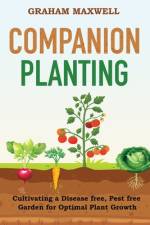
Companion Planting: Cultivating a Disease and Pest-Free Garden for Optimal Plant GrowthDiscover the art of Companion Planting and unlock the secrets to a flourishing garden with enhanced plant growth and natural pest control.Delve into the world of Companion Planting, where strategic plant pairings create a harmonious ecosystem, promoting healthier plants and bountiful yields. In "Companion Planting," explore tried-and-true techniques that banish pests and diseases, ensuring your garden thrives organically. Unearth the benefits of compatible plant partnerships, avoid the pitfalls of mismatched companions, and harness the power of flowers to beautify and protect. From sunlight optimization to soil health enrichment, this guide offers insights into successful plant combinations and proper spacing. Embrace eco-friendly practices for long-term sustainability, learn to combat garden challenges, and embark on a journey towards a vibrant, thriving garden.This comprehensive guide presents a roadmap to Companion Planting's wonders, equipping both novice and experienced gardeners with practical tips, plant lists, and gardening wisdom. Elevate your gardening prowess, master the art of Companion Planting, and watch your garden flourish like never before.
Mastering Bonsai Artistry: A Step-by-Step Guide to Miniature Tree Sculpting Welcome to the wonderful world of bonsai, where tiny trees become living works of art! If you've ever marveled at these miniature masterpieces and wondered how they're made, "Mastering Bonsai Artistry" is your ticket to the magical realm of bonsai. This isn't your typical gardening book; it's a friendly guide for beginners, written in easy-to-understand language. No fancy jargon or confusing terms here. We're talking to you like a friend, not a botanist.
Whether you have owned your house for five or fifty-five years, you have made it your home. A house represents a living space. Your home should represent you. For many, home evokes feelings of deeper emotions: safety, refuge, warmth, family, laughter, and personal growth. It represents your life of memories, accomplishments, hobbies, and travels. Those representations can potentially amount to an overabundance of STUFF. The art of "changing your house" while "keeping your home" during the downsizing process is the priority.
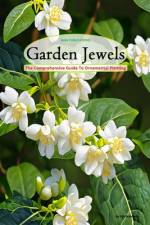
Welcome to "Garden Jewels: The A-Z of Ornamental Plants," your definitive guide to creating an enchanting garden. This comprehensive book, perfect for both green thumbs and budding enthusiasts, covers 76 ornamental plants, arranged alphabetically from the vibrant African Daisy (Osteospermum) to the charming Zinnia (Zinnia elegans). Each plant profile begins with a captivating introduction before diving deep into the essentials - Description and Structure, Habitat and Distribution, and Growth and Propagation. Discover the specifics of Soil and Nutrient Needs to keep your plants thriving, learn the best practices for Cultivation and Care, and get ahead with our guide to combatting Diseases and Pests. But this book offers more than just plant care. Explore the Uses and Benefits of each plant, and how they can enhance your life and spaces. "Garden Jewels" is more than just a book; it's a journey into the world of ornamental plants. Whether you're planning to start a garden or expand your existing plant collection, this book is an invaluable resource. Let "Garden Jewels: The A-Z of Ornamental Plants" inspire you to create your own slice of paradise and enrich your life with the beauty of nature. Don't just read about gardening - live it. This is your key to unlocking a world of blooming possibilities. Order now and let your garden journey begin!
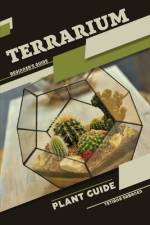
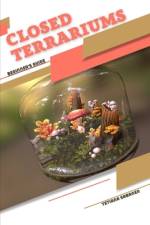
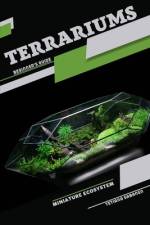
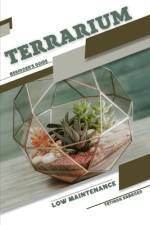
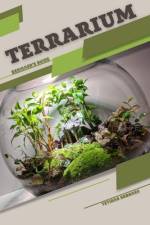
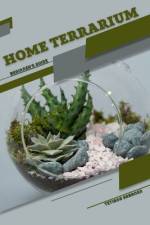
Whether you are a complete novice or have some experience with houseplants, this book will equip you with the fundamental knowledge needed to create a thriving terrarium environment for your Plant. This guide serves as an introductory resource, designed to acquaint you with the essential principles and techniques of terrarium gardening. You will gain a general understanding of the requirements, characteristics, and benefits of open terrariums, as well as the unique attributes and care needs of this plant.Inside this book, you will find: Introduction to Terrariums: Uncover the concept of terrariums and their advantages as self-contained ecosystems. Explore its natural habitat, growth patterns, and the numerous benefits it offers as a houseplant. Essential Growing Requirements: Gain insight into the specific environmental conditions that promote optimal plant growth, such as light, temperature, humidity, and soil composition. Discover how to create an ideal microclimate within your open terrarium to foster the health and vitality of your plant. Planting and Maintenance Techniques: Learn step-by-step instructions for planting your plant in an open terrarium, including proper positioning, soil preparation, and watering practices. Understand how to provide ongoing care, such as pruning, fertilization, and pest management, to ensure your plant thrives. Troubleshooting and Common Mistakes: Identify potential challenges and issues that may arise during the cultivation . Find practical solutions to common problems and learn how to prevent and address common mistakes to maintain a flourishing terrarium ecosystem.Although this guide provides a general overview of terrarium gardening and Plant care, it is important to note that it does not delve into specific details or advanced techniques. Instead, it serves as an indispensable starting point for beginners, empowering them with a solid foundation of knowledge to embark on their terrarium journey with confidence. By the end of this book you will possess the essential skills and understanding necessary to create a beautiful and thriving open terrarium with plant as its centerpiece.Embark on this green-fingered adventure and embrace the joy of nurturing and appreciating these fascinating botanical microcosms.
Whether you are a complete novice or have some experience with houseplants, this book will equip you with the fundamental knowledge needed to create a thriving terrarium environment for your Plant. This guide serves as an introductory resource, designed to acquaint you with the essential principles and techniques of terrarium gardening. You will gain a general understanding of the requirements, characteristics, and benefits of open terrariums, as well as the unique attributes and care needs of this plant.Inside this book, you will find: Introduction to Terrariums: Uncover the concept of terrariums and their advantages as self-contained ecosystems. Explore its natural habitat, growth patterns, and the numerous benefits it offers as a houseplant. Essential Growing Requirements: Gain insight into the specific environmental conditions that promote optimal plant growth, such as light, temperature, humidity, and soil composition. Discover how to create an ideal microclimate within your open terrarium to foster the health and vitality of your plant. Planting and Maintenance Techniques: Learn step-by-step instructions for planting your plant in an open terrarium, including proper positioning, soil preparation, and watering practices. Understand how to provide ongoing care, such as pruning, fertilization, and pest management, to ensure your plant thrives. Troubleshooting and Common Mistakes: Identify potential challenges and issues that may arise during the cultivation . Find practical solutions to common problems and learn how to prevent and address common mistakes to maintain a flourishing terrarium ecosystem.Although this guide provides a general overview of terrarium gardening and Plant care, it is important to note that it does not delve into specific details or advanced techniques. Instead, it serves as an indispensable starting point for beginners, empowering them with a solid foundation of knowledge to embark on their terrarium journey with confidence. By the end of this book you will possess the essential skills and understanding necessary to create a beautiful and thriving open terrarium with plant as its centerpiece.Embark on this green-fingered adventure and embrace the joy of nurturing and appreciating these fascinating botanical microcosms.
Whether you are a complete novice or have some experience with houseplants, this book will equip you with the fundamental knowledge needed to create a thriving terrarium environment for your Plant. This guide serves as an introductory resource, designed to acquaint you with the essential principles and techniques of terrarium gardening. You will gain a general understanding of the requirements, characteristics, and benefits of open terrariums, as well as the unique attributes and care needs of this plant.Inside this book, you will find: Introduction to Terrariums: Uncover the concept of terrariums and their advantages as self-contained ecosystems. Explore its natural habitat, growth patterns, and the numerous benefits it offers as a houseplant. Essential Growing Requirements: Gain insight into the specific environmental conditions that promote optimal plant growth, such as light, temperature, humidity, and soil composition. Discover how to create an ideal microclimate within your open terrarium to foster the health and vitality of your plant. Planting and Maintenance Techniques: Learn step-by-step instructions for planting your plant in an open terrarium, including proper positioning, soil preparation, and watering practices. Understand how to provide ongoing care, such as pruning, fertilization, and pest management, to ensure your plant thrives. Troubleshooting and Common Mistakes: Identify potential challenges and issues that may arise during the cultivation . Find practical solutions to common problems and learn how to prevent and address common mistakes to maintain a flourishing terrarium ecosystem.Although this guide provides a general overview of terrarium gardening and Plant care, it is important to note that it does not delve into specific details or advanced techniques. Instead, it serves as an indispensable starting point for beginners, empowering them with a solid foundation of knowledge to embark on their terrarium journey with confidence. By the end of this book you will possess the essential skills and understanding necessary to create a beautiful and thriving open terrarium with plant as its centerpiece.Embark on this green-fingered adventure and embrace the joy of nurturing and appreciating these fascinating botanical microcosms.
Whether you are a complete novice or have some experience with houseplants, this book will equip you with the fundamental knowledge needed to create a thriving terrarium environment for your Plant. This guide serves as an introductory resource, designed to acquaint you with the essential principles and techniques of terrarium gardening. You will gain a general understanding of the requirements, characteristics, and benefits of open terrariums, as well as the unique attributes and care needs of this plant.Inside this book, you will find: Introduction to Terrariums: Uncover the concept of terrariums and their advantages as self-contained ecosystems. Explore its natural habitat, growth patterns, and the numerous benefits it offers as a houseplant. Essential Growing Requirements: Gain insight into the specific environmental conditions that promote optimal plant growth, such as light, temperature, humidity, and soil composition. Discover how to create an ideal microclimate within your open terrarium to foster the health and vitality of your plant. Planting and Maintenance Techniques: Learn step-by-step instructions for planting your plant in an open terrarium, including proper positioning, soil preparation, and watering practices. Understand how to provide ongoing care, such as pruning, fertilization, and pest management, to ensure your plant thrives. Troubleshooting and Common Mistakes: Identify potential challenges and issues that may arise during the cultivation . Find practical solutions to common problems and learn how to prevent and address common mistakes to maintain a flourishing terrarium ecosystem.Although this guide provides a general overview of terrarium gardening and Plant care, it is important to note that it does not delve into specific details or advanced techniques. Instead, it serves as an indispensable starting point for beginners, empowering them with a solid foundation of knowledge to embark on their terrarium journey with confidence. By the end of this book you will possess the essential skills and understanding necessary to create a beautiful and thriving open terrarium with plant as its centerpiece.Embark on this green-fingered adventure and embrace the joy of nurturing and appreciating these fascinating botanical microcosms.
Whether you are a complete novice or have some experience with houseplants, this book will equip you with the fundamental knowledge needed to create a thriving terrarium environment for your Plant. This guide serves as an introductory resource, designed to acquaint you with the essential principles and techniques of terrarium gardening. You will gain a general understanding of the requirements, characteristics, and benefits of open terrariums, as well as the unique attributes and care needs of this plant.Inside this book, you will find: Introduction to Terrariums: Uncover the concept of terrariums and their advantages as self-contained ecosystems. Explore its natural habitat, growth patterns, and the numerous benefits it offers as a houseplant. Essential Growing Requirements: Gain insight into the specific environmental conditions that promote optimal plant growth, such as light, temperature, humidity, and soil composition. Discover how to create an ideal microclimate within your open terrarium to foster the health and vitality of your plant. Planting and Maintenance Techniques: Learn step-by-step instructions for planting your plant in an open terrarium, including proper positioning, soil preparation, and watering practices. Understand how to provide ongoing care, such as pruning, fertilization, and pest management, to ensure your plant thrives. Troubleshooting and Common Mistakes: Identify potential challenges and issues that may arise during the cultivation . Find practical solutions to common problems and learn how to prevent and address common mistakes to maintain a flourishing terrarium ecosystem.Although this guide provides a general overview of terrarium gardening and Plant care, it is important to note that it does not delve into specific details or advanced techniques. Instead, it serves as an indispensable starting point for beginners, empowering them with a solid foundation of knowledge to embark on their terrarium journey with confidence. By the end of this book you will possess the essential skills and understanding necessary to create a beautiful and thriving open terrarium with plant as its centerpiece.Embark on this green-fingered adventure and embrace the joy of nurturing and appreciating these fascinating botanical microcosms.
Whether you are a complete novice or have some experience with houseplants, this book will equip you with the fundamental knowledge needed to create a thriving terrarium environment for your Plant. This guide serves as an introductory resource, designed to acquaint you with the essential principles and techniques of terrarium gardening. You will gain a general understanding of the requirements, characteristics, and benefits of open terrariums, as well as the unique attributes and care needs of this plant.Inside this book, you will find: Introduction to Terrariums: Uncover the concept of terrariums and their advantages as self-contained ecosystems. Explore its natural habitat, growth patterns, and the numerous benefits it offers as a houseplant. Essential Growing Requirements: Gain insight into the specific environmental conditions that promote optimal plant growth, such as light, temperature, humidity, and soil composition. Discover how to create an ideal microclimate within your open terrarium to foster the health and vitality of your plant. Planting and Maintenance Techniques: Learn step-by-step instructions for planting your plant in an open terrarium, including proper positioning, soil preparation, and watering practices. Understand how to provide ongoing care, such as pruning, fertilization, and pest management, to ensure your plant thrives. Troubleshooting and Common Mistakes: Identify potential challenges and issues that may arise during the cultivation . Find practical solutions to common problems and learn how to prevent and address common mistakes to maintain a flourishing terrarium ecosystem.Although this guide provides a general overview of terrarium gardening and Plant care, it is important to note that it does not delve into specific details or advanced techniques. Instead, it serves as an indispensable starting point for beginners, empowering them with a solid foundation of knowledge to embark on their terrarium journey with confidence. By the end of this book you will possess the essential skills and understanding necessary to create a beautiful and thriving open terrarium with plant as its centerpiece.Embark on this green-fingered adventure and embrace the joy of nurturing and appreciating these fascinating botanical microcosms.
Whether you are a complete novice or have some experience with houseplants, this book will equip you with the fundamental knowledge needed to create a thriving terrarium environment for your Plant. This guide serves as an introductory resource, designed to acquaint you with the essential principles and techniques of terrarium gardening. You will gain a general understanding of the requirements, characteristics, and benefits of open terrariums, as well as the unique attributes and care needs of this plant.Inside this book, you will find: Introduction to Terrariums: Uncover the concept of terrariums and their advantages as self-contained ecosystems. Explore its natural habitat, growth patterns, and the numerous benefits it offers as a houseplant. Essential Growing Requirements: Gain insight into the specific environmental conditions that promote optimal plant growth, such as light, temperature, humidity, and soil composition. Discover how to create an ideal microclimate within your open terrarium to foster the health and vitality of your plant. Planting and Maintenance Techniques: Learn step-by-step instructions for planting your plant in an open terrarium, including proper positioning, soil preparation, and watering practices. Understand how to provide ongoing care, such as pruning, fertilization, and pest management, to ensure your plant thrives. Troubleshooting and Common Mistakes: Identify potential challenges and issues that may arise during the cultivation . Find practical solutions to common problems and learn how to prevent and address common mistakes to maintain a flourishing terrarium ecosystem.Although this guide provides a general overview of terrarium gardening and Plant care, it is important to note that it does not delve into specific details or advanced techniques. Instead, it serves as an indispensable starting point for beginners, empowering them with a solid foundation of knowledge to embark on their terrarium journey with confidence. By the end of this book you will possess the essential skills and understanding necessary to create a beautiful and thriving open terrarium with plant as its centerpiece.Embark on this green-fingered adventure and embrace the joy of nurturing and appreciating these fascinating botanical microcosms.
Whether you are a complete novice or have some experience with houseplants, this book will equip you with the fundamental knowledge needed to create a thriving terrarium environment for your Plant. This guide serves as an introductory resource, designed to acquaint you with the essential principles and techniques of terrarium gardening. You will gain a general understanding of the requirements, characteristics, and benefits of open terrariums, as well as the unique attributes and care needs of this plant.Inside this book, you will find: Introduction to Terrariums: Uncover the concept of terrariums and their advantages as self-contained ecosystems. Explore its natural habitat, growth patterns, and the numerous benefits it offers as a houseplant. Essential Growing Requirements: Gain insight into the specific environmental conditions that promote optimal plant growth, such as light, temperature, humidity, and soil composition. Discover how to create an ideal microclimate within your open terrarium to foster the health and vitality of your plant. Planting and Maintenance Techniques: Learn step-by-step instructions for planting your plant in an open terrarium, including proper positioning, soil preparation, and watering practices. Understand how to provide ongoing care, such as pruning, fertilization, and pest management, to ensure your plant thrives. Troubleshooting and Common Mistakes: Identify potential challenges and issues that may arise during the cultivation . Find practical solutions to common problems and learn how to prevent and address common mistakes to maintain a flourishing terrarium ecosystem.Although this guide provides a general overview of terrarium gardening and Plant care, it is important to note that it does not delve into specific details or advanced techniques. Instead, it serves as an indispensable starting point for beginners, empowering them with a solid foundation of knowledge to embark on their terrarium journey with confidence. By the end of this book you will possess the essential skills and understanding necessary to create a beautiful and thriving open terrarium with plant as its centerpiece.Embark on this green-fingered adventure and embrace the joy of nurturing and appreciating these fascinating botanical microcosms.
Whether you are a complete novice or have some experience with houseplants, this book will equip you with the fundamental knowledge needed to create a thriving terrarium environment for your Plant. This guide serves as an introductory resource, designed to acquaint you with the essential principles and techniques of terrarium gardening. You will gain a general understanding of the requirements, characteristics, and benefits of open terrariums, as well as the unique attributes and care needs of this plant.Inside this book, you will find: Introduction to Terrariums: Uncover the concept of terrariums and their advantages as self-contained ecosystems. Explore its natural habitat, growth patterns, and the numerous benefits it offers as a houseplant. Essential Growing Requirements: Gain insight into the specific environmental conditions that promote optimal plant growth, such as light, temperature, humidity, and soil composition. Discover how to create an ideal microclimate within your open terrarium to foster the health and vitality of your plant. Planting and Maintenance Techniques: Learn step-by-step instructions for planting your plant in an open terrarium, including proper positioning, soil preparation, and watering practices. Understand how to provide ongoing care, such as pruning, fertilization, and pest management, to ensure your plant thrives. Troubleshooting and Common Mistakes: Identify potential challenges and issues that may arise during the cultivation . Find practical solutions to common problems and learn how to prevent and address common mistakes to maintain a flourishing terrarium ecosystem.Although this guide provides a general overview of terrarium gardening and Plant care, it is important to note that it does not delve into specific details or advanced techniques. Instead, it serves as an indispensable starting point for beginners, empowering them with a solid foundation of knowledge to embark on their terrarium journey with confidence. By the end of this book you will possess the essential skills and understanding necessary to create a beautiful and thriving open terrarium with plant as its centerpiece.Embark on this green-fingered adventure and embrace the joy of nurturing and appreciating these fascinating botanical microcosms.
Abonner på vårt nyhetsbrev og få rabatter og inspirasjon til din neste leseopplevelse.
Ved å abonnere godtar du vår personvernerklæring.