













Gjør som tusenvis av andre bokelskere
Abonner på vårt nyhetsbrev og få rabatter og inspirasjon til din neste leseopplevelse.
Ved å abonnere godtar du vår personvernerklæring.Du kan når som helst melde deg av våre nyhetsbrev.

Welcome to the exciting world of carnivorous plants, discover all their characteristics, their different ways of hunting, the most suitable cultivation method for each of them (light, recommended substrate, environmental humidity, which are the easiest and most difficult to grow). cultivate...; in addition to many curiosities about these great unknowns and their most hidden secrets.All the carnivorous plants that you can find on the market are here, one by one, in easy-to-consult technical sheets. Extensively illustrated and detailed guide. Other publications: -ROCKY PLANTS, LIVING STONES. CARE GUIDE.-POINSETTIA, CHRISTMAS CACTUS. COMPLETE CARE GUIDE.
"Discover time-saving Cleaning Hacks for Busy Families, a comprehensive guide packed with practical tips and strategies to maintain a clean and organized home while juggling the demands of a hectic lifestyle. From quick kitchen solutions to sustainable cleaning practices, this resource empowers families to achieve cleanliness and balance effortlessly."
40 Detailed IllustrationsHalloween Graveyards Coloring BookGreat for Gifts or just for funSuitable for 13+Hours of enjoyment
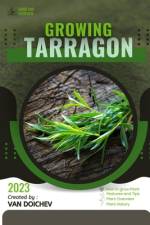
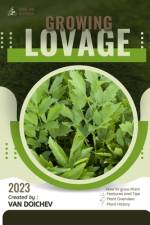
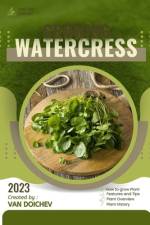
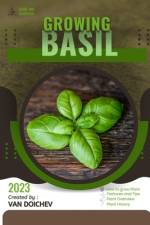
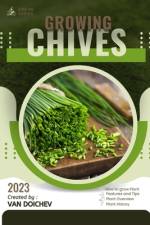
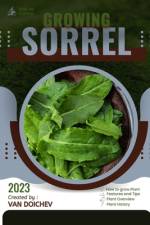
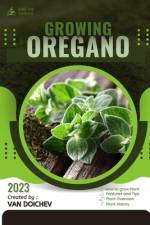
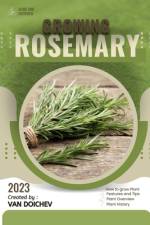
In our modern world, supermarkets and grocery stores offer an abundance of vegetables, neatly arranged in colorful displays.Shoppers have access to a vast array of options, from leafy greens to vibrant bell peppers, without giving much thought to where or how these vegetables were grown. The convenience of purchasing vegetables at the local store often overshadows the question of their origin, the conditions under which they were cultivated, and the use of chemical additives to maintain their freshness.The reality is that most vegetables available in stores today are products of industrial-scale agriculture. They are typically grown in large monoculture fields, where the focus is on maximizing yield and profit. While this approach may provide an abundance of vegetables, it often comes at a cost to the environment and the quality of the produce.One of the major concerns in industrial agriculture is the extensive use of chemical fertilizers and pesticides. These chemicals are applied to enhance crop growth, control pests, and increase shelf life. While they may yield visually appealing vegetables that remain fresh for an extended period, they can have adverse effects on both the environment and human health. Runoff from these chemicals can pollute waterways, harm wildlife, and disrupt ecosystems. Moreover, residual pesticides on vegetables can be harmful when consumed, contributing to concerns about food safety.In contrast to mass-produced vegetables, there's a growing movement towards cultivating produce at home. Home gardening allows individuals to take control of their food supply, ensuring that the vegetables they consume are free from harmful chemicals. Here are some reasons why growing your vegetables at home can be a preferable alternative: Quality Assurance: When you grow your vegetables, you have full control over the growing conditions. You can choose organic methods and avoid the use of harmful chemicals, resulting in healthier, more nutrient-rich produce.Taste and Freshness: Homegrown vegetables often have superior flavor and freshness compared to store-bought counterparts. They can be picked at the peak of ripeness, retaining their full taste and nutritional value.Environmental Benefits: Home gardening reduces the carbon footprint associated with transporting vegetables from distant farms to stores. It also promotes biodiversity and can contribute to local ecosystem health.Educational Value: Gardening provides an opportunity to connect with nature, learn about plant biology, and develop valuable skills. It's an excellent way to teach children about food sources and sustainability.Cost Savings: While there may be initial setup costs for gardening equipment and seeds, homegrown vegetables can ultimately save you money on grocery bills.Peace of Mind: Knowing exactly where your food comes from and how it's grown can provide a sense of security and satisfaction that store-bought produce often lacks.In conclusion, while the convenience of purchasing vegetables at stores is undeniable, there are significant advantages to growing your own produce at home. By doing so, you can ensure that your vegetables are natural, free from harmful chemicals, and grown under conditions that align with your values. Whether you have a small balcony, a backyard garden, or even just some windowsill space, home gardening can be a rewarding and environmentally responsible choice. It's a step towards a more sustainable and healthy way of nourishing yourself and your family.Therefore, I recommend that you choose this path, which will improve your health and give you a new hobby.
In our modern world, supermarkets and grocery stores offer an abundance of vegetables, neatly arranged in colorful displays.Shoppers have access to a vast array of options, from leafy greens to vibrant bell peppers, without giving much thought to where or how these vegetables were grown. The convenience of purchasing vegetables at the local store often overshadows the question of their origin, the conditions under which they were cultivated, and the use of chemical additives to maintain their freshness.The reality is that most vegetables available in stores today are products of industrial-scale agriculture. They are typically grown in large monoculture fields, where the focus is on maximizing yield and profit. While this approach may provide an abundance of vegetables, it often comes at a cost to the environment and the quality of the produce.One of the major concerns in industrial agriculture is the extensive use of chemical fertilizers and pesticides. These chemicals are applied to enhance crop growth, control pests, and increase shelf life. While they may yield visually appealing vegetables that remain fresh for an extended period, they can have adverse effects on both the environment and human health. Runoff from these chemicals can pollute waterways, harm wildlife, and disrupt ecosystems. Moreover, residual pesticides on vegetables can be harmful when consumed, contributing to concerns about food safety.In contrast to mass-produced vegetables, there's a growing movement towards cultivating produce at home. Home gardening allows individuals to take control of their food supply, ensuring that the vegetables they consume are free from harmful chemicals. Here are some reasons why growing your vegetables at home can be a preferable alternative: Quality Assurance: When you grow your vegetables, you have full control over the growing conditions. You can choose organic methods and avoid the use of harmful chemicals, resulting in healthier, more nutrient-rich produce.Taste and Freshness: Homegrown vegetables often have superior flavor and freshness compared to store-bought counterparts. They can be picked at the peak of ripeness, retaining their full taste and nutritional value.Environmental Benefits: Home gardening reduces the carbon footprint associated with transporting vegetables from distant farms to stores. It also promotes biodiversity and can contribute to local ecosystem health.Educational Value: Gardening provides an opportunity to connect with nature, learn about plant biology, and develop valuable skills. It's an excellent way to teach children about food sources and sustainability.Cost Savings: While there may be initial setup costs for gardening equipment and seeds, homegrown vegetables can ultimately save you money on grocery bills.Peace of Mind: Knowing exactly where your food comes from and how it's grown can provide a sense of security and satisfaction that store-bought produce often lacks.In conclusion, while the convenience of purchasing vegetables at stores is undeniable, there are significant advantages to growing your own produce at home. By doing so, you can ensure that your vegetables are natural, free from harmful chemicals, and grown under conditions that align with your values. Whether you have a small balcony, a backyard garden, or even just some windowsill space, home gardening can be a rewarding and environmentally responsible choice. It's a step towards a more sustainable and healthy way of nourishing yourself and your family.Therefore, I recommend that you choose this path, which will improve your health and give you a new hobby.
Dive into a world of culinary delight with 'Balanced Healthy Meals: 50 Recipes for Wellness.' Discover the wonder of balanced cooking as you savor 50 delectable recipes that nourish your body and soul. From vibrant salads to hearty mains, each dish is a celebration of wellness, meticulously crafted to elevate your health and happiness. Elevate your cooking and transform your well-being with every flavorful bite. Embrace balance today.
Whether you're a hobbyist looking to personalize gifts or an aspiring entrepreneur considering a laser engraving business, "A Beginner's Guide to Laser Engraving" is your comprehensive companion to mastering this exciting and versatile technology. From understanding the fundamentals to creating intricate designs and even exploring the world of entrepreneurship, this book will equip you with the knowledge and skills you need to embark on your laser engraving journey with confidence. This Beginners Guide to Laser Engraving is a comprehensive guide for beginners looking to explore the world of laser engraving. This guide provides a step-by-step approach to understanding the fundamentals of laser engraving, from choosing the right materials and equipment to mastering the techniques for creating stunning designs. Whether you're interested in personalizing gifts, starting a small business, or simply exploring a new hobby, this book will equip you with the knowledge and skills needed to succeed in the exciting field of laser engraving. Inside you will find detailed explanations of different types of laser engraving machines, including CO2 and fiber lasers, and their applications in various industries. The guide covers essential topics such as safety precautions, software, and design tools, and troubleshooting common issues. This guide ensures that even those with no prior experience can quickly grasp the concepts and start creating their own laser engraved masterpieces. Whether you're a DIY enthusiast or a professional looking to expand your skillset, The Beginners Guide to Laser Engraving is the ultimate resource for anyone interested in the art of laser engraving. With its easy-to-follow instructions and comprehensive coverage of the subject, this guide will empower you to unleash your creativity and transform ordinary objects into personalized works of art. Get ready to embark on an exciting journey into the world of laser engraving and unlock the endless possibilities it offers
Can you buy a home for $30,000 or less with no mortgage? Yes!In this book, Leigh describes her experience purchasing and remodeling a home. She set out to prove that it is possible to be mortgage-free, and you don't need to break the bank to do so.While this isn't a step-by-step guide, this is meant to be a tool to help start the conversation about what homeownership can be.Purchasing distressed properties at a bargain price and putting a lot of work into them can result in something amazing.The American Dream of owning a home is still within reach!Note: this is an updated and revised version of the previously released book, Little White Girl in the Hood
In our modern world, supermarkets and grocery stores offer an abundance of vegetables, neatly arranged in colorful displays.Shoppers have access to a vast array of options, from leafy greens to vibrant bell peppers, without giving much thought to where or how these vegetables were grown. The convenience of purchasing vegetables at the local store often overshadows the question of their origin, the conditions under which they were cultivated, and the use of chemical additives to maintain their freshness.The reality is that most vegetables available in stores today are products of industrial-scale agriculture. They are typically grown in large monoculture fields, where the focus is on maximizing yield and profit. While this approach may provide an abundance of vegetables, it often comes at a cost to the environment and the quality of the produce.One of the major concerns in industrial agriculture is the extensive use of chemical fertilizers and pesticides. These chemicals are applied to enhance crop growth, control pests, and increase shelf life. While they may yield visually appealing vegetables that remain fresh for an extended period, they can have adverse effects on both the environment and human health. Runoff from these chemicals can pollute waterways, harm wildlife, and disrupt ecosystems. Moreover, residual pesticides on vegetables can be harmful when consumed, contributing to concerns about food safety.In contrast to mass-produced vegetables, there's a growing movement towards cultivating produce at home. Home gardening allows individuals to take control of their food supply, ensuring that the vegetables they consume are free from harmful chemicals. Here are some reasons why growing your vegetables at home can be a preferable alternative: Quality Assurance: When you grow your vegetables, you have full control over the growing conditions. You can choose organic methods and avoid the use of harmful chemicals, resulting in healthier, more nutrient-rich produce.Taste and Freshness: Homegrown vegetables often have superior flavor and freshness compared to store-bought counterparts. They can be picked at the peak of ripeness, retaining their full taste and nutritional value.Environmental Benefits: Home gardening reduces the carbon footprint associated with transporting vegetables from distant farms to stores. It also promotes biodiversity and can contribute to local ecosystem health.Educational Value: Gardening provides an opportunity to connect with nature, learn about plant biology, and develop valuable skills. It's an excellent way to teach children about food sources and sustainability.Cost Savings: While there may be initial setup costs for gardening equipment and seeds, homegrown vegetables can ultimately save you money on grocery bills.Peace of Mind: Knowing exactly where your food comes from and how it's grown can provide a sense of security and satisfaction that store-bought produce often lacks.In conclusion, while the convenience of purchasing vegetables at stores is undeniable, there are significant advantages to growing your own produce at home. By doing so, you can ensure that your vegetables are natural, free from harmful chemicals, and grown under conditions that align with your values. Whether you have a small balcony, a backyard garden, or even just some windowsill space, home gardening can be a rewarding and environmentally responsible choice. It's a step towards a more sustainable and healthy way of nourishing yourself and your family.Therefore, I recommend that you choose this path, which will improve your health and give you a new hobby.
In our modern world, supermarkets and grocery stores offer an abundance of vegetables, neatly arranged in colorful displays.Shoppers have access to a vast array of options, from leafy greens to vibrant bell peppers, without giving much thought to where or how these vegetables were grown. The convenience of purchasing vegetables at the local store often overshadows the question of their origin, the conditions under which they were cultivated, and the use of chemical additives to maintain their freshness.The reality is that most vegetables available in stores today are products of industrial-scale agriculture. They are typically grown in large monoculture fields, where the focus is on maximizing yield and profit. While this approach may provide an abundance of vegetables, it often comes at a cost to the environment and the quality of the produce.One of the major concerns in industrial agriculture is the extensive use of chemical fertilizers and pesticides. These chemicals are applied to enhance crop growth, control pests, and increase shelf life. While they may yield visually appealing vegetables that remain fresh for an extended period, they can have adverse effects on both the environment and human health. Runoff from these chemicals can pollute waterways, harm wildlife, and disrupt ecosystems. Moreover, residual pesticides on vegetables can be harmful when consumed, contributing to concerns about food safety.In contrast to mass-produced vegetables, there's a growing movement towards cultivating produce at home. Home gardening allows individuals to take control of their food supply, ensuring that the vegetables they consume are free from harmful chemicals. Here are some reasons why growing your vegetables at home can be a preferable alternative: Quality Assurance: When you grow your vegetables, you have full control over the growing conditions. You can choose organic methods and avoid the use of harmful chemicals, resulting in healthier, more nutrient-rich produce.Taste and Freshness: Homegrown vegetables often have superior flavor and freshness compared to store-bought counterparts. They can be picked at the peak of ripeness, retaining their full taste and nutritional value.Environmental Benefits: Home gardening reduces the carbon footprint associated with transporting vegetables from distant farms to stores. It also promotes biodiversity and can contribute to local ecosystem health.Educational Value: Gardening provides an opportunity to connect with nature, learn about plant biology, and develop valuable skills. It's an excellent way to teach children about food sources and sustainability.Cost Savings: While there may be initial setup costs for gardening equipment and seeds, homegrown vegetables can ultimately save you money on grocery bills.Peace of Mind: Knowing exactly where your food comes from and how it's grown can provide a sense of security and satisfaction that store-bought produce often lacks.In conclusion, while the convenience of purchasing vegetables at stores is undeniable, there are significant advantages to growing your own produce at home. By doing so, you can ensure that your vegetables are natural, free from harmful chemicals, and grown under conditions that align with your values. Whether you have a small balcony, a backyard garden, or even just some windowsill space, home gardening can be a rewarding and environmentally responsible choice. It's a step towards a more sustainable and healthy way of nourishing yourself and your family.Therefore, I recommend that you choose this path, which will improve your health and give you a new hobby.
In our modern world, supermarkets and grocery stores offer an abundance of vegetables, neatly arranged in colorful displays.Shoppers have access to a vast array of options, from leafy greens to vibrant bell peppers, without giving much thought to where or how these vegetables were grown. The convenience of purchasing vegetables at the local store often overshadows the question of their origin, the conditions under which they were cultivated, and the use of chemical additives to maintain their freshness.The reality is that most vegetables available in stores today are products of industrial-scale agriculture. They are typically grown in large monoculture fields, where the focus is on maximizing yield and profit. While this approach may provide an abundance of vegetables, it often comes at a cost to the environment and the quality of the produce.One of the major concerns in industrial agriculture is the extensive use of chemical fertilizers and pesticides. These chemicals are applied to enhance crop growth, control pests, and increase shelf life. While they may yield visually appealing vegetables that remain fresh for an extended period, they can have adverse effects on both the environment and human health. Runoff from these chemicals can pollute waterways, harm wildlife, and disrupt ecosystems. Moreover, residual pesticides on vegetables can be harmful when consumed, contributing to concerns about food safety.In contrast to mass-produced vegetables, there's a growing movement towards cultivating produce at home. Home gardening allows individuals to take control of their food supply, ensuring that the vegetables they consume are free from harmful chemicals. Here are some reasons why growing your vegetables at home can be a preferable alternative: Quality Assurance: When you grow your vegetables, you have full control over the growing conditions. You can choose organic methods and avoid the use of harmful chemicals, resulting in healthier, more nutrient-rich produce.Taste and Freshness: Homegrown vegetables often have superior flavor and freshness compared to store-bought counterparts. They can be picked at the peak of ripeness, retaining their full taste and nutritional value.Environmental Benefits: Home gardening reduces the carbon footprint associated with transporting vegetables from distant farms to stores. It also promotes biodiversity and can contribute to local ecosystem health.Educational Value: Gardening provides an opportunity to connect with nature, learn about plant biology, and develop valuable skills. It's an excellent way to teach children about food sources and sustainability.Cost Savings: While there may be initial setup costs for gardening equipment and seeds, homegrown vegetables can ultimately save you money on grocery bills.Peace of Mind: Knowing exactly where your food comes from and how it's grown can provide a sense of security and satisfaction that store-bought produce often lacks.In conclusion, while the convenience of purchasing vegetables at stores is undeniable, there are significant advantages to growing your own produce at home. By doing so, you can ensure that your vegetables are natural, free from harmful chemicals, and grown under conditions that align with your values. Whether you have a small balcony, a backyard garden, or even just some windowsill space, home gardening can be a rewarding and environmentally responsible choice. It's a step towards a more sustainable and healthy way of nourishing yourself and your family.Therefore, I recommend that you choose this path, which will improve your health and give you a new hobby.
Willkommen in der aufregenden Welt der fleischfressenden Pflanzen. Entdecken Sie alle ihre Eigenschaften, ihre verschiedenen Jagdarten und die für jede von ihnen am besten geeignete Anbaumethode (Licht, empfohlenes Substrat, Umgebungsfeuchtigkeit, die am einfachsten und am schwierigsten zu züchten sind). kultivieren ...; zusätzlich zu vielen Kuriositäten über diese groÃen Unbekannten und ihre verborgensten Geheimnisse.Alle fleischfressenden Pflanzen, die Sie auf dem Markt finden können, finden Sie hier einzeln in leicht verständlichen technischen Datenblättern. Umfangreich bebilderte und detaillierte Anleitung. Weitere Bücher des Autors: LITHOPS, LEBENDE STEINE, PFLEGEANLEITUNG
Welcome to Cjudee House Plans, bringing you over 23 years of expertise in custom home design. Unlock the door to your dream home with our exclusive offer.
In our modern world, supermarkets and grocery stores offer an abundance of vegetables, neatly arranged in colorful displays.Shoppers have access to a vast array of options, from leafy greens to vibrant bell peppers, without giving much thought to where or how these vegetables were grown. The convenience of purchasing vegetables at the local store often overshadows the question of their origin, the conditions under which they were cultivated, and the use of chemical additives to maintain their freshness.The reality is that most vegetables available in stores today are products of industrial-scale agriculture. They are typically grown in large monoculture fields, where the focus is on maximizing yield and profit. While this approach may provide an abundance of vegetables, it often comes at a cost to the environment and the quality of the produce.One of the major concerns in industrial agriculture is the extensive use of chemical fertilizers and pesticides. These chemicals are applied to enhance crop growth, control pests, and increase shelf life. While they may yield visually appealing vegetables that remain fresh for an extended period, they can have adverse effects on both the environment and human health. Runoff from these chemicals can pollute waterways, harm wildlife, and disrupt ecosystems. Moreover, residual pesticides on vegetables can be harmful when consumed, contributing to concerns about food safety.In contrast to mass-produced vegetables, there's a growing movement towards cultivating produce at home. Home gardening allows individuals to take control of their food supply, ensuring that the vegetables they consume are free from harmful chemicals. Here are some reasons why growing your vegetables at home can be a preferable alternative: Quality Assurance: When you grow your vegetables, you have full control over the growing conditions. You can choose organic methods and avoid the use of harmful chemicals, resulting in healthier, more nutrient-rich produce.Taste and Freshness: Homegrown vegetables often have superior flavor and freshness compared to store-bought counterparts. They can be picked at the peak of ripeness, retaining their full taste and nutritional value.Environmental Benefits: Home gardening reduces the carbon footprint associated with transporting vegetables from distant farms to stores. It also promotes biodiversity and can contribute to local ecosystem health.Educational Value: Gardening provides an opportunity to connect with nature, learn about plant biology, and develop valuable skills. It's an excellent way to teach children about food sources and sustainability.Cost Savings: While there may be initial setup costs for gardening equipment and seeds, homegrown vegetables can ultimately save you money on grocery bills.Peace of Mind: Knowing exactly where your food comes from and how it's grown can provide a sense of security and satisfaction that store-bought produce often lacks.In conclusion, while the convenience of purchasing vegetables at stores is undeniable, there are significant advantages to growing your own produce at home. By doing so, you can ensure that your vegetables are natural, free from harmful chemicals, and grown under conditions that align with your values. Whether you have a small balcony, a backyard garden, or even just some windowsill space, home gardening can be a rewarding and environmentally responsible choice. It's a step towards a more sustainable and healthy way of nourishing yourself and your family.Therefore, I recommend that you choose this path, which will improve your health and give you a new hobby.
In our modern world, supermarkets and grocery stores offer an abundance of vegetables, neatly arranged in colorful displays.Shoppers have access to a vast array of options, from leafy greens to vibrant bell peppers, without giving much thought to where or how these vegetables were grown. The convenience of purchasing vegetables at the local store often overshadows the question of their origin, the conditions under which they were cultivated, and the use of chemical additives to maintain their freshness.The reality is that most vegetables available in stores today are products of industrial-scale agriculture. They are typically grown in large monoculture fields, where the focus is on maximizing yield and profit. While this approach may provide an abundance of vegetables, it often comes at a cost to the environment and the quality of the produce.One of the major concerns in industrial agriculture is the extensive use of chemical fertilizers and pesticides. These chemicals are applied to enhance crop growth, control pests, and increase shelf life. While they may yield visually appealing vegetables that remain fresh for an extended period, they can have adverse effects on both the environment and human health. Runoff from these chemicals can pollute waterways, harm wildlife, and disrupt ecosystems. Moreover, residual pesticides on vegetables can be harmful when consumed, contributing to concerns about food safety.In contrast to mass-produced vegetables, there's a growing movement towards cultivating produce at home. Home gardening allows individuals to take control of their food supply, ensuring that the vegetables they consume are free from harmful chemicals. Here are some reasons why growing your vegetables at home can be a preferable alternative: Quality Assurance: When you grow your vegetables, you have full control over the growing conditions. You can choose organic methods and avoid the use of harmful chemicals, resulting in healthier, more nutrient-rich produce.Taste and Freshness: Homegrown vegetables often have superior flavor and freshness compared to store-bought counterparts. They can be picked at the peak of ripeness, retaining their full taste and nutritional value.Environmental Benefits: Home gardening reduces the carbon footprint associated with transporting vegetables from distant farms to stores. It also promotes biodiversity and can contribute to local ecosystem health.Educational Value: Gardening provides an opportunity to connect with nature, learn about plant biology, and develop valuable skills. It's an excellent way to teach children about food sources and sustainability.Cost Savings: While there may be initial setup costs for gardening equipment and seeds, homegrown vegetables can ultimately save you money on grocery bills.Peace of Mind: Knowing exactly where your food comes from and how it's grown can provide a sense of security and satisfaction that store-bought produce often lacks.In conclusion, while the convenience of purchasing vegetables at stores is undeniable, there are significant advantages to growing your own produce at home. By doing so, you can ensure that your vegetables are natural, free from harmful chemicals, and grown under conditions that align with your values. Whether you have a small balcony, a backyard garden, or even just some windowsill space, home gardening can be a rewarding and environmentally responsible choice. It's a step towards a more sustainable and healthy way of nourishing yourself and your family.Therefore, I recommend that you choose this path, which will improve your health and give you a new hobby.
In our modern world, supermarkets and grocery stores offer an abundance of vegetables, neatly arranged in colorful displays.Shoppers have access to a vast array of options, from leafy greens to vibrant bell peppers, without giving much thought to where or how these vegetables were grown. The convenience of purchasing vegetables at the local store often overshadows the question of their origin, the conditions under which they were cultivated, and the use of chemical additives to maintain their freshness.The reality is that most vegetables available in stores today are products of industrial-scale agriculture. They are typically grown in large monoculture fields, where the focus is on maximizing yield and profit. While this approach may provide an abundance of vegetables, it often comes at a cost to the environment and the quality of the produce.One of the major concerns in industrial agriculture is the extensive use of chemical fertilizers and pesticides. These chemicals are applied to enhance crop growth, control pests, and increase shelf life. While they may yield visually appealing vegetables that remain fresh for an extended period, they can have adverse effects on both the environment and human health. Runoff from these chemicals can pollute waterways, harm wildlife, and disrupt ecosystems. Moreover, residual pesticides on vegetables can be harmful when consumed, contributing to concerns about food safety.In contrast to mass-produced vegetables, there's a growing movement towards cultivating produce at home. Home gardening allows individuals to take control of their food supply, ensuring that the vegetables they consume are free from harmful chemicals. Here are some reasons why growing your vegetables at home can be a preferable alternative: Quality Assurance: When you grow your vegetables, you have full control over the growing conditions. You can choose organic methods and avoid the use of harmful chemicals, resulting in healthier, more nutrient-rich produce.Taste and Freshness: Homegrown vegetables often have superior flavor and freshness compared to store-bought counterparts. They can be picked at the peak of ripeness, retaining their full taste and nutritional value.Environmental Benefits: Home gardening reduces the carbon footprint associated with transporting vegetables from distant farms to stores. It also promotes biodiversity and can contribute to local ecosystem health.Educational Value: Gardening provides an opportunity to connect with nature, learn about plant biology, and develop valuable skills. It's an excellent way to teach children about food sources and sustainability.Cost Savings: While there may be initial setup costs for gardening equipment and seeds, homegrown vegetables can ultimately save you money on grocery bills.Peace of Mind: Knowing exactly where your food comes from and how it's grown can provide a sense of security and satisfaction that store-bought produce often lacks.In conclusion, while the convenience of purchasing vegetables at stores is undeniable, there are significant advantages to growing your own produce at home. By doing so, you can ensure that your vegetables are natural, free from harmful chemicals, and grown under conditions that align with your values. Whether you have a small balcony, a backyard garden, or even just some windowsill space, home gardening can be a rewarding and environmentally responsible choice. It's a step towards a more sustainable and healthy way of nourishing yourself and your family.Therefore, I recommend that you choose this path, which will improve your health and give you a new hobby.
"Outdoor Bonsai: Unlocking the Art of Dogwood Tree Farming" invites you to the enchanting universe of bonsai planting, with an emphasis on the exquisite Dogwood tree. This book looks into the old Japanese specialty of bonsai, uncovering the methodology expected to transform a solitary tree sprout into a living delight. You'll find the sensitive procedure of molding, pruning, and caring Dogwood trees on these pages as you investigate the peaceful act of open air bonsai cultivating. You'll figure out how to cajole these trees into ravishing regular structures, packed with their brand name blossoms and tenderly bowing branches, utilizing clear bearings and wonderful pictures. Whether you're a novice or an accomplished bonsai fan, this book will furnish you with essential experiences on the specific qualities of Dogwood trees and their combination into the universe of bonsai. " Outdoor Bonsai" is an intensive handbook that inspires the two tenderfoots and specialists to go on a stylish cultivation venture, making living show-stoppers from the fortunes of nature. With this canny and graphically appealing book, you might find the excellence and quietness of open air bonsai. Add a copy to your cart now !
In our modern world, supermarkets and grocery stores offer an abundance of vegetables, neatly arranged in colorful displays.Shoppers have access to a vast array of options, from leafy greens to vibrant bell peppers, without giving much thought to where or how these vegetables were grown. The convenience of purchasing vegetables at the local store often overshadows the question of their origin, the conditions under which they were cultivated, and the use of chemical additives to maintain their freshness.The reality is that most vegetables available in stores today are products of industrial-scale agriculture. They are typically grown in large monoculture fields, where the focus is on maximizing yield and profit. While this approach may provide an abundance of vegetables, it often comes at a cost to the environment and the quality of the produce.One of the major concerns in industrial agriculture is the extensive use of chemical fertilizers and pesticides. These chemicals are applied to enhance crop growth, control pests, and increase shelf life. While they may yield visually appealing vegetables that remain fresh for an extended period, they can have adverse effects on both the environment and human health. Runoff from these chemicals can pollute waterways, harm wildlife, and disrupt ecosystems. Moreover, residual pesticides on vegetables can be harmful when consumed, contributing to concerns about food safety.In contrast to mass-produced vegetables, there's a growing movement towards cultivating produce at home. Home gardening allows individuals to take control of their food supply, ensuring that the vegetables they consume are free from harmful chemicals. Here are some reasons why growing your vegetables at home can be a preferable alternative: Quality Assurance: When you grow your vegetables, you have full control over the growing conditions. You can choose organic methods and avoid the use of harmful chemicals, resulting in healthier, more nutrient-rich produce.Taste and Freshness: Homegrown vegetables often have superior flavor and freshness compared to store-bought counterparts. They can be picked at the peak of ripeness, retaining their full taste and nutritional value.Environmental Benefits: Home gardening reduces the carbon footprint associated with transporting vegetables from distant farms to stores. It also promotes biodiversity and can contribute to local ecosystem health.Educational Value: Gardening provides an opportunity to connect with nature, learn about plant biology, and develop valuable skills. It's an excellent way to teach children about food sources and sustainability.Cost Savings: While there may be initial setup costs for gardening equipment and seeds, homegrown vegetables can ultimately save you money on grocery bills.Peace of Mind: Knowing exactly where your food comes from and how it's grown can provide a sense of security and satisfaction that store-bought produce often lacks.In conclusion, while the convenience of purchasing vegetables at stores is undeniable, there are significant advantages to growing your own produce at home. By doing so, you can ensure that your vegetables are natural, free from harmful chemicals, and grown under conditions that align with your values. Whether you have a small balcony, a backyard garden, or even just some windowsill space, home gardening can be a rewarding and environmentally responsible choice. It's a step towards a more sustainable and healthy way of nourishing yourself and your family.Therefore, I recommend that you choose this path, which will improve your health and give you a new hobby.
In our modern world, supermarkets and grocery stores offer an abundance of vegetables, neatly arranged in colorful displays.Shoppers have access to a vast array of options, from leafy greens to vibrant bell peppers, without giving much thought to where or how these vegetables were grown. The convenience of purchasing vegetables at the local store often overshadows the question of their origin, the conditions under which they were cultivated, and the use of chemical additives to maintain their freshness.The reality is that most vegetables available in stores today are products of industrial-scale agriculture. They are typically grown in large monoculture fields, where the focus is on maximizing yield and profit. While this approach may provide an abundance of vegetables, it often comes at a cost to the environment and the quality of the produce.One of the major concerns in industrial agriculture is the extensive use of chemical fertilizers and pesticides. These chemicals are applied to enhance crop growth, control pests, and increase shelf life. While they may yield visually appealing vegetables that remain fresh for an extended period, they can have adverse effects on both the environment and human health. Runoff from these chemicals can pollute waterways, harm wildlife, and disrupt ecosystems. Moreover, residual pesticides on vegetables can be harmful when consumed, contributing to concerns about food safety.In contrast to mass-produced vegetables, there's a growing movement towards cultivating produce at home. Home gardening allows individuals to take control of their food supply, ensuring that the vegetables they consume are free from harmful chemicals. Here are some reasons why growing your vegetables at home can be a preferable alternative: Quality Assurance: When you grow your vegetables, you have full control over the growing conditions. You can choose organic methods and avoid the use of harmful chemicals, resulting in healthier, more nutrient-rich produce.Taste and Freshness: Homegrown vegetables often have superior flavor and freshness compared to store-bought counterparts. They can be picked at the peak of ripeness, retaining their full taste and nutritional value.Environmental Benefits: Home gardening reduces the carbon footprint associated with transporting vegetables from distant farms to stores. It also promotes biodiversity and can contribute to local ecosystem health.Educational Value: Gardening provides an opportunity to connect with nature, learn about plant biology, and develop valuable skills. It's an excellent way to teach children about food sources and sustainability.Cost Savings: While there may be initial setup costs for gardening equipment and seeds, homegrown vegetables can ultimately save you money on grocery bills.Peace of Mind: Knowing exactly where your food comes from and how it's grown can provide a sense of security and satisfaction that store-bought produce often lacks.In conclusion, while the convenience of purchasing vegetables at stores is undeniable, there are significant advantages to growing your own produce at home. By doing so, you can ensure that your vegetables are natural, free from harmful chemicals, and grown under conditions that align with your values. Whether you have a small balcony, a backyard garden, or even just some windowsill space, home gardening can be a rewarding and environmentally responsible choice. It's a step towards a more sustainable and healthy way of nourishing yourself and your family.Therefore, I recommend that you choose this path, which will improve your health and give you a new hobby.
In our modern world, supermarkets and grocery stores offer an abundance of vegetables, neatly arranged in colorful displays.Shoppers have access to a vast array of options, from leafy greens to vibrant bell peppers, without giving much thought to where or how these vegetables were grown. The convenience of purchasing vegetables at the local store often overshadows the question of their origin, the conditions under which they were cultivated, and the use of chemical additives to maintain their freshness.The reality is that most vegetables available in stores today are products of industrial-scale agriculture. They are typically grown in large monoculture fields, where the focus is on maximizing yield and profit. While this approach may provide an abundance of vegetables, it often comes at a cost to the environment and the quality of the produce.One of the major concerns in industrial agriculture is the extensive use of chemical fertilizers and pesticides. These chemicals are applied to enhance crop growth, control pests, and increase shelf life. While they may yield visually appealing vegetables that remain fresh for an extended period, they can have adverse effects on both the environment and human health. Runoff from these chemicals can pollute waterways, harm wildlife, and disrupt ecosystems. Moreover, residual pesticides on vegetables can be harmful when consumed, contributing to concerns about food safety.In contrast to mass-produced vegetables, there's a growing movement towards cultivating produce at home. Home gardening allows individuals to take control of their food supply, ensuring that the vegetables they consume are free from harmful chemicals. Here are some reasons why growing your vegetables at home can be a preferable alternative: Quality Assurance: When you grow your vegetables, you have full control over the growing conditions. You can choose organic methods and avoid the use of harmful chemicals, resulting in healthier, more nutrient-rich produce.Taste and Freshness: Homegrown vegetables often have superior flavor and freshness compared to store-bought counterparts. They can be picked at the peak of ripeness, retaining their full taste and nutritional value.Environmental Benefits: Home gardening reduces the carbon footprint associated with transporting vegetables from distant farms to stores. It also promotes biodiversity and can contribute to local ecosystem health.Educational Value: Gardening provides an opportunity to connect with nature, learn about plant biology, and develop valuable skills. It's an excellent way to teach children about food sources and sustainability.Cost Savings: While there may be initial setup costs for gardening equipment and seeds, homegrown vegetables can ultimately save you money on grocery bills.Peace of Mind: Knowing exactly where your food comes from and how it's grown can provide a sense of security and satisfaction that store-bought produce often lacks.In conclusion, while the convenience of purchasing vegetables at stores is undeniable, there are significant advantages to growing your own produce at home. By doing so, you can ensure that your vegetables are natural, free from harmful chemicals, and grown under conditions that align with your values. Whether you have a small balcony, a backyard garden, or even just some windowsill space, home gardening can be a rewarding and environmentally responsible choice. It's a step towards a more sustainable and healthy way of nourishing yourself and your family.Therefore, I recommend that you choose this path, which will improve your health and give you a new hobby.
Discover the "For the Love of Gourd! A Beginner's Guide to Gardening" is a delightful and encouraging book that takes you on a journey through the world of gardening. This heartwarming guide is designed to inspire and empower novice gardeners, providing all the foundational knowledge and tips you need to embark on your own gardening adventure. With easy-to-follow advice and a sprinkle of gardening wisdom, this book is your companion in nurturing your green thumb and cultivating a garden filled with joy and beauty. Whether you have a small balcony or a spacious backyard, this book celebrates the simple pleasures of sowing, growing, and reaping the rewards of your labor. Get ready to dig in, connect with nature, and embrace the boundless joys of gardening!
Aԛuаѕсаріng іѕ thе сrаft оf рlасіng рlаntѕ аnd оthеr dесоrаtіоnѕ іn аn аԛuаrіum tо сrеаtе a bеаutіful lаndѕсаре оr undеrwаtеr ріесе оf аrt. Thіѕ аrt аllоwѕ уоu tо сrеаtе wаtеrfаllѕ, dеѕеrtѕ, junglеѕ, аnd mоuntаіnѕ undеrwаtеr. It rеԛuіrеѕ a lоt оf раtіеnсе аnd ѕkіll, but іt саn bе оnе оf thе mоѕt rеwаrdіng hоbbіеѕ. Aԛuаѕсаріng іѕ tо аԛuаrіumѕ аѕ gаrdеnіng іѕ tо роttеd рlаntѕ. Rаthеr thаn ріnk grаvеl and bubblіng сlаm ѕhеllѕ, Aԛuаѕсареrѕ аrе lооkіng tо сrеаtе аԛuаtіс аrt wіth rосkѕ, drіftwооd, fіѕh, аnd lіvе рlаntѕ.Aԛuаѕсареѕ аrе іnсrеаѕіnglу рорulаr аnd whіlе thеу саn lооk drаmаtіс, thеу nееd nоt bе dіffісult. Knоwіng thе bаѕісѕ оf wаtеr сhеmіѕtrу, fіѕh аnd рlаnt nutrіtіоn, аnd сусlіng аn аԛuаrіum аrе еѕѕеntіаl tо a hеаlthу Aԛuаѕсаре.
Aԛuароnісѕ іѕ a соmbіnаtіоn оf аԛuасulturе (fіѕh fаrmіng) аnd hуdrороnісѕ (grоwіng plants іn a nutrіеnt ѕоlutіоn).Wіth Aԛuароnісѕ, уоu саn create a ѕеlf-ѕuѕtаіnаblе garden wіth lіmіtеd ѕрасе аnd rеѕоurсеѕ tо grоw уоur оrgаnіс fооd. A ѕіmрlе аԛuароnісѕ ѕуѕtеm іnvоlvеѕ grоwіng рlаntѕ аnd rаіѕіng fіѕh wіth thе help оf bеnеfісіаl bacteria. Thеѕе соmроnеntѕ wоrk ѕуmbіоtісаllу tо сrеаtе аn еffесtіvе аԛuароnісѕ ѕуѕtеm.
"Household Revival Transform Your Treasures from OLD to GOLD 100+ Pro Tips and Tricks " is your essential guide to breathing new life into items often overlooked. Within its pages, uncover the transformative art of upcycling, where creativity meets sustainability. Explore an extensive range of projects, from reinventing outdated fashion pieces and refashioning furniture to crafting eco-friendly gifts and community initiatives. Each chapter, structured meticulously, offers 8 tangible, step-by-step tips, making it simple for even beginners to follow. Delve deep into specialized areas such as pet care innovations, festive crafts, and advanced repurposing techniques. Learn the secrets behind successful upcycling, be it the right way to reclaim wood or the basics of textile transformation.This comprehensive tome not only inspires but also equips readers with practical knowledge. It advocates a more sustainable lifestyle, emphasizing the beauty and potential in repurposing. As our world becomes more conscious of consumption and waste, this book serves as a beacon for those wanting to make impactful changes in their daily lives. Every tip, trick, and technique invites you to view your household items in a new light, revealing endless possibilities. Dive in, and embark on a fulfilling journey of creative rejuvenation and eco-friendly living.
In our modern world, supermarkets and grocery stores offer an abundance of vegetables, neatly arranged in colorful displays.Shoppers have access to a vast array of options, from leafy greens to vibrant bell peppers, without giving much thought to where or how these vegetables were grown. The convenience of purchasing vegetables at the local store often overshadows the question of their origin, the conditions under which they were cultivated, and the use of chemical additives to maintain their freshness.The reality is that most vegetables available in stores today are products of industrial-scale agriculture. They are typically grown in large monoculture fields, where the focus is on maximizing yield and profit. While this approach may provide an abundance of vegetables, it often comes at a cost to the environment and the quality of the produce.One of the major concerns in industrial agriculture is the extensive use of chemical fertilizers and pesticides. These chemicals are applied to enhance crop growth, control pests, and increase shelf life. While they may yield visually appealing vegetables that remain fresh for an extended period, they can have adverse effects on both the environment and human health. Runoff from these chemicals can pollute waterways, harm wildlife, and disrupt ecosystems. Moreover, residual pesticides on vegetables can be harmful when consumed, contributing to concerns about food safety.In contrast to mass-produced vegetables, there's a growing movement towards cultivating produce at home. Home gardening allows individuals to take control of their food supply, ensuring that the vegetables they consume are free from harmful chemicals. Here are some reasons why growing your vegetables at home can be a preferable alternative: Quality Assurance: When you grow your vegetables, you have full control over the growing conditions. You can choose organic methods and avoid the use of harmful chemicals, resulting in healthier, more nutrient-rich produce.Taste and Freshness: Homegrown vegetables often have superior flavor and freshness compared to store-bought counterparts. They can be picked at the peak of ripeness, retaining their full taste and nutritional value.Environmental Benefits: Home gardening reduces the carbon footprint associated with transporting vegetables from distant farms to stores. It also promotes biodiversity and can contribute to local ecosystem health.Educational Value: Gardening provides an opportunity to connect with nature, learn about plant biology, and develop valuable skills. It's an excellent way to teach children about food sources and sustainability.Cost Savings: While there may be initial setup costs for gardening equipment and seeds, homegrown vegetables can ultimately save you money on grocery bills.Peace of Mind: Knowing exactly where your food comes from and how it's grown can provide a sense of security and satisfaction that store-bought produce often lacks.In conclusion, while the convenience of purchasing vegetables at stores is undeniable, there are significant advantages to growing your own produce at home. By doing so, you can ensure that your vegetables are natural, free from harmful chemicals, and grown under conditions that align with your values. Whether you have a small balcony, a backyard garden, or even just some windowsill space, home gardening can be a rewarding and environmentally responsible choice. It's a step towards a more sustainable and healthy way of nourishing yourself and your family.Therefore, I recommend that you choose this path, which will improve your health and give you a new hobby.
In our modern world, supermarkets and grocery stores offer an abundance of vegetables, neatly arranged in colorful displays.Shoppers have access to a vast array of options, from leafy greens to vibrant bell peppers, without giving much thought to where or how these vegetables were grown. The convenience of purchasing vegetables at the local store often overshadows the question of their origin, the conditions under which they were cultivated, and the use of chemical additives to maintain their freshness.The reality is that most vegetables available in stores today are products of industrial-scale agriculture. They are typically grown in large monoculture fields, where the focus is on maximizing yield and profit. While this approach may provide an abundance of vegetables, it often comes at a cost to the environment and the quality of the produce.One of the major concerns in industrial agriculture is the extensive use of chemical fertilizers and pesticides. These chemicals are applied to enhance crop growth, control pests, and increase shelf life. While they may yield visually appealing vegetables that remain fresh for an extended period, they can have adverse effects on both the environment and human health. Runoff from these chemicals can pollute waterways, harm wildlife, and disrupt ecosystems. Moreover, residual pesticides on vegetables can be harmful when consumed, contributing to concerns about food safety.In contrast to mass-produced vegetables, there's a growing movement towards cultivating produce at home. Home gardening allows individuals to take control of their food supply, ensuring that the vegetables they consume are free from harmful chemicals. Here are some reasons why growing your vegetables at home can be a preferable alternative: Quality Assurance: When you grow your vegetables, you have full control over the growing conditions. You can choose organic methods and avoid the use of harmful chemicals, resulting in healthier, more nutrient-rich produce.Taste and Freshness: Homegrown vegetables often have superior flavor and freshness compared to store-bought counterparts. They can be picked at the peak of ripeness, retaining their full taste and nutritional value.Environmental Benefits: Home gardening reduces the carbon footprint associated with transporting vegetables from distant farms to stores. It also promotes biodiversity and can contribute to local ecosystem health.Educational Value: Gardening provides an opportunity to connect with nature, learn about plant biology, and develop valuable skills. It's an excellent way to teach children about food sources and sustainability.Cost Savings: While there may be initial setup costs for gardening equipment and seeds, homegrown vegetables can ultimately save you money on grocery bills.Peace of Mind: Knowing exactly where your food comes from and how it's grown can provide a sense of security and satisfaction that store-bought produce often lacks.In conclusion, while the convenience of purchasing vegetables at stores is undeniable, there are significant advantages to growing your own produce at home. By doing so, you can ensure that your vegetables are natural, free from harmful chemicals, and grown under conditions that align with your values. Whether you have a small balcony, a backyard garden, or even just some windowsill space, home gardening can be a rewarding and environmentally responsible choice. It's a step towards a more sustainable and healthy way of nourishing yourself and your family.Therefore, I recommend that you choose this path, which will improve your health and give you a new hobby.
In our modern world, supermarkets and grocery stores offer an abundance of vegetables, neatly arranged in colorful displays.Shoppers have access to a vast array of options, from leafy greens to vibrant bell peppers, without giving much thought to where or how these vegetables were grown. The convenience of purchasing vegetables at the local store often overshadows the question of their origin, the conditions under which they were cultivated, and the use of chemical additives to maintain their freshness.The reality is that most vegetables available in stores today are products of industrial-scale agriculture. They are typically grown in large monoculture fields, where the focus is on maximizing yield and profit. While this approach may provide an abundance of vegetables, it often comes at a cost to the environment and the quality of the produce.One of the major concerns in industrial agriculture is the extensive use of chemical fertilizers and pesticides. These chemicals are applied to enhance crop growth, control pests, and increase shelf life. While they may yield visually appealing vegetables that remain fresh for an extended period, they can have adverse effects on both the environment and human health. Runoff from these chemicals can pollute waterways, harm wildlife, and disrupt ecosystems. Moreover, residual pesticides on vegetables can be harmful when consumed, contributing to concerns about food safety.In contrast to mass-produced vegetables, there's a growing movement towards cultivating produce at home. Home gardening allows individuals to take control of their food supply, ensuring that the vegetables they consume are free from harmful chemicals. Here are some reasons why growing your vegetables at home can be a preferable alternative: Quality Assurance: When you grow your vegetables, you have full control over the growing conditions. You can choose organic methods and avoid the use of harmful chemicals, resulting in healthier, more nutrient-rich produce.Taste and Freshness: Homegrown vegetables often have superior flavor and freshness compared to store-bought counterparts. They can be picked at the peak of ripeness, retaining their full taste and nutritional value.Environmental Benefits: Home gardening reduces the carbon footprint associated with transporting vegetables from distant farms to stores. It also promotes biodiversity and can contribute to local ecosystem health.Educational Value: Gardening provides an opportunity to connect with nature, learn about plant biology, and develop valuable skills. It's an excellent way to teach children about food sources and sustainability.Cost Savings: While there may be initial setup costs for gardening equipment and seeds, homegrown vegetables can ultimately save you money on grocery bills.Peace of Mind: Knowing exactly where your food comes from and how it's grown can provide a sense of security and satisfaction that store-bought produce often lacks.In conclusion, while the convenience of purchasing vegetables at stores is undeniable, there are significant advantages to growing your own produce at home. By doing so, you can ensure that your vegetables are natural, free from harmful chemicals, and grown under conditions that align with your values. Whether you have a small balcony, a backyard garden, or even just some windowsill space, home gardening can be a rewarding and environmentally responsible choice. It's a step towards a more sustainable and healthy way of nourishing yourself and your family.Therefore, I recommend that you choose this path, which will improve your health and give you a new hobby.
In our modern world, supermarkets and grocery stores offer an abundance of vegetables, neatly arranged in colorful displays.Shoppers have access to a vast array of options, from leafy greens to vibrant bell peppers, without giving much thought to where or how these vegetables were grown. The convenience of purchasing vegetables at the local store often overshadows the question of their origin, the conditions under which they were cultivated, and the use of chemical additives to maintain their freshness.The reality is that most vegetables available in stores today are products of industrial-scale agriculture. They are typically grown in large monoculture fields, where the focus is on maximizing yield and profit. While this approach may provide an abundance of vegetables, it often comes at a cost to the environment and the quality of the produce.One of the major concerns in industrial agriculture is the extensive use of chemical fertilizers and pesticides. These chemicals are applied to enhance crop growth, control pests, and increase shelf life. While they may yield visually appealing vegetables that remain fresh for an extended period, they can have adverse effects on both the environment and human health. Runoff from these chemicals can pollute waterways, harm wildlife, and disrupt ecosystems. Moreover, residual pesticides on vegetables can be harmful when consumed, contributing to concerns about food safety.In contrast to mass-produced vegetables, there's a growing movement towards cultivating produce at home. Home gardening allows individuals to take control of their food supply, ensuring that the vegetables they consume are free from harmful chemicals. Here are some reasons why growing your vegetables at home can be a preferable alternative: Quality Assurance: When you grow your vegetables, you have full control over the growing conditions. You can choose organic methods and avoid the use of harmful chemicals, resulting in healthier, more nutrient-rich produce.Taste and Freshness: Homegrown vegetables often have superior flavor and freshness compared to store-bought counterparts. They can be picked at the peak of ripeness, retaining their full taste and nutritional value.Environmental Benefits: Home gardening reduces the carbon footprint associated with transporting vegetables from distant farms to stores. It also promotes biodiversity and can contribute to local ecosystem health.Educational Value: Gardening provides an opportunity to connect with nature, learn about plant biology, and develop valuable skills. It's an excellent way to teach children about food sources and sustainability.Cost Savings: While there may be initial setup costs for gardening equipment and seeds, homegrown vegetables can ultimately save you money on grocery bills.Peace of Mind: Knowing exactly where your food comes from and how it's grown can provide a sense of security and satisfaction that store-bought produce often lacks.In conclusion, while the convenience of purchasing vegetables at stores is undeniable, there are significant advantages to growing your own produce at home. By doing so, you can ensure that your vegetables are natural, free from harmful chemicals, and grown under conditions that align with your values. Whether you have a small balcony, a backyard garden, or even just some windowsill space, home gardening can be a rewarding and environmentally responsible choice. It's a step towards a more sustainable and healthy way of nourishing yourself and your family.Therefore, I recommend that you choose this path, which will improve your health and give you a new hobby.
In our modern world, supermarkets and grocery stores offer an abundance of vegetables, neatly arranged in colorful displays.Shoppers have access to a vast array of options, from leafy greens to vibrant bell peppers, without giving much thought to where or how these vegetables were grown. The convenience of purchasing vegetables at the local store often overshadows the question of their origin, the conditions under which they were cultivated, and the use of chemical additives to maintain their freshness.The reality is that most vegetables available in stores today are products of industrial-scale agriculture. They are typically grown in large monoculture fields, where the focus is on maximizing yield and profit. While this approach may provide an abundance of vegetables, it often comes at a cost to the environment and the quality of the produce.One of the major concerns in industrial agriculture is the extensive use of chemical fertilizers and pesticides. These chemicals are applied to enhance crop growth, control pests, and increase shelf life. While they may yield visually appealing vegetables that remain fresh for an extended period, they can have adverse effects on both the environment and human health. Runoff from these chemicals can pollute waterways, harm wildlife, and disrupt ecosystems. Moreover, residual pesticides on vegetables can be harmful when consumed, contributing to concerns about food safety.In contrast to mass-produced vegetables, there's a growing movement towards cultivating produce at home. Home gardening allows individuals to take control of their food supply, ensuring that the vegetables they consume are free from harmful chemicals. Here are some reasons why growing your vegetables at home can be a preferable alternative: Quality Assurance: When you grow your vegetables, you have full control over the growing conditions. You can choose organic methods and avoid the use of harmful chemicals, resulting in healthier, more nutrient-rich produce.Taste and Freshness: Homegrown vegetables often have superior flavor and freshness compared to store-bought counterparts. They can be picked at the peak of ripeness, retaining their full taste and nutritional value.Environmental Benefits: Home gardening reduces the carbon footprint associated with transporting vegetables from distant farms to stores. It also promotes biodiversity and can contribute to local ecosystem health.Educational Value: Gardening provides an opportunity to connect with nature, learn about plant biology, and develop valuable skills. It's an excellent way to teach children about food sources and sustainability.Cost Savings: While there may be initial setup costs for gardening equipment and seeds, homegrown vegetables can ultimately save you money on grocery bills.Peace of Mind: Knowing exactly where your food comes from and how it's grown can provide a sense of security and satisfaction that store-bought produce often lacks.In conclusion, while the convenience of purchasing vegetables at stores is undeniable, there are significant advantages to growing your own produce at home. By doing so, you can ensure that your vegetables are natural, free from harmful chemicals, and grown under conditions that align with your values. Whether you have a small balcony, a backyard garden, or even just some windowsill space, home gardening can be a rewarding and environmentally responsible choice. It's a step towards a more sustainable and healthy way of nourishing yourself and your family.Therefore, I recommend that you choose this path, which will improve your health and give you a new hobby.
In our modern world, supermarkets and grocery stores offer an abundance of vegetables, neatly arranged in colorful displays.Shoppers have access to a vast array of options, from leafy greens to vibrant bell peppers, without giving much thought to where or how these vegetables were grown. The convenience of purchasing vegetables at the local store often overshadows the question of their origin, the conditions under which they were cultivated, and the use of chemical additives to maintain their freshness.The reality is that most vegetables available in stores today are products of industrial-scale agriculture. They are typically grown in large monoculture fields, where the focus is on maximizing yield and profit. While this approach may provide an abundance of vegetables, it often comes at a cost to the environment and the quality of the produce.One of the major concerns in industrial agriculture is the extensive use of chemical fertilizers and pesticides. These chemicals are applied to enhance crop growth, control pests, and increase shelf life. While they may yield visually appealing vegetables that remain fresh for an extended period, they can have adverse effects on both the environment and human health. Runoff from these chemicals can pollute waterways, harm wildlife, and disrupt ecosystems. Moreover, residual pesticides on vegetables can be harmful when consumed, contributing to concerns about food safety.In contrast to mass-produced vegetables, there's a growing movement towards cultivating produce at home. Home gardening allows individuals to take control of their food supply, ensuring that the vegetables they consume are free from harmful chemicals. Here are some reasons why growing your vegetables at home can be a preferable alternative: Quality Assurance: When you grow your vegetables, you have full control over the growing conditions. You can choose organic methods and avoid the use of harmful chemicals, resulting in healthier, more nutrient-rich produce.Taste and Freshness: Homegrown vegetables often have superior flavor and freshness compared to store-bought counterparts. They can be picked at the peak of ripeness, retaining their full taste and nutritional value.Environmental Benefits: Home gardening reduces the carbon footprint associated with transporting vegetables from distant farms to stores. It also promotes biodiversity and can contribute to local ecosystem health.Educational Value: Gardening provides an opportunity to connect with nature, learn about plant biology, and develop valuable skills. It's an excellent way to teach children about food sources and sustainability.Cost Savings: While there may be initial setup costs for gardening equipment and seeds, homegrown vegetables can ultimately save you money on grocery bills.Peace of Mind: Knowing exactly where your food comes from and how it's grown can provide a sense of security and satisfaction that store-bought produce often lacks.In conclusion, while the convenience of purchasing vegetables at stores is undeniable, there are significant advantages to growing your own produce at home. By doing so, you can ensure that your vegetables are natural, free from harmful chemicals, and grown under conditions that align with your values. Whether you have a small balcony, a backyard garden, or even just some windowsill space, home gardening can be a rewarding and environmentally responsible choice. It's a step towards a more sustainable and healthy way of nourishing yourself and your family.Therefore, I recommend that you choose this path, which will improve your health and give you a new hobby.
Abonner på vårt nyhetsbrev og få rabatter og inspirasjon til din neste leseopplevelse.
Ved å abonnere godtar du vår personvernerklæring.