



























Gjør som tusenvis av andre bokelskere
Abonner på vårt nyhetsbrev og få rabatter og inspirasjon til din neste leseopplevelse.
Ved å abonnere godtar du vår personvernerklæring.Du kan når som helst melde deg av våre nyhetsbrev.

This comprehensive dog training book offers a seamless journey from basic obedience training to advanced techniques, providing dog enthusiasts with a clear and effective roadmap. Have a better understanding of canine behavior with insights into behavioral modifications, empowering you to understand and address your dog's unique personality. Tailored training methods for specific needs, coupled with guidance for different life stages, ensure a holistic approach to your furry friend's development. Whether you're a first-time dog owner or a seasoned enthusiast, this book is your go-to resource for cultivating obedience, fostering a deeper bond, and nurturing a well-rounded canine companion. This book is a secret path to successful training, shaping your dog into the well-behaved and joyful companion you've always dreamed of. Grab your copy and embark on a lifetime of joyous companionship!
Hermann's tortoise, scientifically known as Testasudo hermannii, is a small to medium-sized tortoise species native to southern Europe. It has a distinctive, domed carapace with a yellow background and black markings. Hermann's tortoises are herbivores, feeding mainly on plants. During the cold months they live on the ground and are dormant. Due to habitat loss and illegal trade, some subspecies are listed as threatened. These turtles are popular as pets, but responsible ownership and conservation efforts are critical to their safety and survival in the wild.
Welcome to "Raising the Lovely Healthy Dog" - your go-to guide for bringing up a joyful and thriving friend, right from the puppy days to the later years.This book is more than just training tips; it's your partner in understanding your puppy's world. From early training tricks to navigating the sometimes tricky teenage phase, we've got you covered with practical advice and easy-to-follow tips.You will discover the secrets to a happy dog-human connection, and learn how to tackle common challenges with confidence. We've simplified dogs' behavior insights to make training a breeze, ensuring a strong bond that lasts a lifetime.As your puppy grows, so does the wisdom in this book. You will find tailored advice for adolescence and senior years - from meals and exercise to health tips. With heartwarming stories and actionable guidance, "Raising the Lovely Healthy Dog" is not just a book; it's a friendly companion on your journey to creating a lifetime of happiness and health for your furry friend, the only resource you'll need for raising a happy, healthy dog."Yes, you can raise the perfect dog!" affirms renowned dog behavior expert Zack Wood to the millions of individuals who consider getting a puppy each year, as well as to those who have already brought a dog home. Everything begins with laying the right foundation in the formative years. Here, Zack explains all the things you should know to set up the ideal environment for a balanced dog so that behavioral problems don't arise later on. He also demonstrates how to address the most typical behavioral problems that young dogs have.Raising the Lovely Healthy Dog is like having Zack right with you, as your own personal expert, coaching you and your dog from the first day of your life together. It is based on Zack's own thorough experiences raising individual puppies from some of the most popular breeds.How to Raising the Lovely Healthy Dog, written in Zack's approachable and amiable style, is filled with up-to-date information tailored to the unique requirements of puppies and teenagers. It also provides answers to all of your frequently asked questions and helps you build a happy, fulfilling lifelong friendship with your best friend.Zack will teach you the following methods for raising a happy, healthy dog and averting behavioral problems before they arise: Creating perfect obedience from day one through rules, boundaries, and calm-assertive leadershipPreparing your puppy for each stage of developmentAccess to four books in this book with bonuses on Raising DogsHousebreaking quickly and easilyUnderstanding the importance of proper nutritionAvoiding common mistakes made by owners when raising puppies and young dogsResolving issues before they become problemsEngaging in special exercises and play to bring out the best in every breedTypes of Dog Breeds, Groups and Financial Implications for Your Wallet Join me on this adventure and make each stage of your dog's life a joyful celebration. "Raising the Lovely Healthy Dog" is here to guide you, providing simple yet effective ways to make your dog's journey delightful. Press the button now and witness the transformation of your dog into the vibrant, happy, and healthy companion you've always wanted. Your dog's journey to a delightful life starts here.
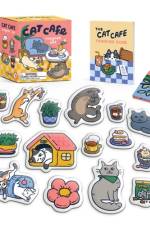
Revel in the joy and atmosphere of a cat cafe--without the fur!--in this cozy and adorable magnetic set. A Purr-fect Magnet Set: Customize your own cat cafe with 25 full-color magnets of a variety of cats and cafe items as well as a two-sided, illustrated background to build your own feline-friendly scenes Illustrated Mini Book: Includes a full-color 32-page miniature book with history about the origins of cat cafes and cute cat profiles A Great Gift for Cat Lovers: Display unique scenes on any magnetic surface, this is a must-have for anyone who loves cats . . . and warm beverages in cafes
Geese are a type of duck, and the term "geese raising" is commonly used to describe the process of caring for and reproducing geese. Many people keep chickens, ducks, and other birds as pets or for food. To ensure the geese's health and well-being while being raised, proper housing, food, and care must be provided.Domesticated geese can provide a lucrative source of income for farmers and poultry hobbyists in many regions of the world. They are a favorite among people who want to raise poultry because of their resilience and ability to thrive in a variety of environments. Because of their loud honking and territorial disposition, geese can be raised as guards or watchdogs. Their down feathers are used in a variety of items.While the intricacies of goose-rearing may vary depending on the desired goal and local practices, it always requires providing adequate food and shelter for the geese and making sure they are in good health.
The Galgo Espaol is a type of dog native to Spain. It is also known as the Spanish Greyhound. These dogs are recognized for their graceful and thin appearance, comparable to that of a Greyhound. The Galgo Espaol is an effective hunter since it is a sighthound and relies on its strong eyesight to locate and pursue game.Some facts and features regarding the Galgo Espaol breed are listed below.- Galgos have an elegant, athletic build and stand at a respectable height and length. They normally have a short, smooth coat and come in a range of colors, including fawn, brindle, black, and more.- Galgos have a reputation for having a calm and reserved demeanor. They are frequently devoted and loyal to their owners, yet they may also be rather independent. They have a friendly demeanor toward children and other canines.- Galgos have high levels of moderate to high energy, and they thrive on the stimulation of regular exercise and play. They're a lot more physically capable than they look, so they need plenty of opportunities to run and stretch.- Galgos were originally developed for the purpose of hunting, particularly hares and other small animals. They're hardwired to pursue prey and have a high prey drive. They are still put to use for hunting in certain parts of Spain.- Unfortunately, Galgos have a history of abuse and abandonment, especially during hunting seasons in Spain. This makes adoption and rescue efforts all the more important. Many groups and individuals in Spain and elsewhere are working to find new homes for these pets.- Due to their short coats, Galgos require little in the way of grooming. They do need regular exercise and a safe, confined area to run, as they have a strong drive to chase.- Hip dysplasia, bloat, and heart difficulties are just a few of the health issues that can affect Galgos. In order to guarantee their health, routine veterinarian exams are required.The Galgo Espaol, in general, is a beautiful and distinctive breed with a long tradition of service as hunting dogs in Spain. Even though they have a natural need to hunt, with the right kind of care and attention they may become wonderful pets. Adopting a Galgo Espaol requires careful consideration of the breed's specific requirements and personality quirks.
The French Spaniel, or Ãpagneul Français as it is sometimes referred to, is a type of hunting dog with French origins. This breed has earned a reputation for excellence in a variety of hunting roles, including pointing and retrieving. The French Spaniel is a medium-sized breed of dog known for its robust body and healthy temperament. Their long, drooping ears and brown, feathery coat with white patterns set them apart.These dogs are great hunting companions because of their intelligence, trainability, and calm demeanor. Common uses for them include hunting waterfowl and upland game birds like pheasants and quail. French spaniels are well-known for their stamina and versatility in the field.French Spaniels are not only excellent hunters, but also make fantastic companion animals if given the time and care they require. They are friendly dogs that get along well with everyone from kids to other pets. However, they need regular mental and physical stimulation to thrive.You should look into and make contact with reputable breeders or rescue organizations specializing in the French Spaniel if you are interested in acquiring one, as the popularity and availability of different dog breeds can vary by region and over time.
One of the lizard species found in the eastern United States is the Eastern Fence Lizard (Sceloporus undulatus). It's a ubiquitous and common reptile that can be found anywhere from the wild to the city. The "fence lizard" earned its moniker because of its propensity to sun itself atop fences, tree trunks, and other similar high points.The "undulated" appearance of an Eastern Fence Lizard is due to the dark, wavy lines that run along its back. They seem unique with a blue patch on each side of their bellies and a pointed nose. During the mating season, males' colors become more vivid, and some even have blue spots on their throats.As their name suggests, these reptiles subsist mostly on insects and other similar-sized arthropods. They are recognized for their ability to execute a push-up show, especially the males, which employ this behavior to establish territory and communicate with other lizards.The Eastern Fence Lizard is a key part of the ecology, playing a role in reducing insect populations and serving as a food supply for numerous predators. Hikers, explorers, and locals in the eastern United States frequently come face to face with this intriguing lizard.
A French Bulldog, sometimes simply referred to as a "Frenchie," is a tiny breed of domestic dog recognized for its striking appearance and friendly attitude. To better understand French Bulldogs, consider the following: 1. Physically, French Bulldogs are small, sturdy, and easily recognizable by their flat face and pushed-in nose. A variety of hues, including white with patches of different colors, fawn, cream, and brindle, can be found in their short coat.2. French Bulldogs are a tiny breed, with an average weight of 16-28 lbs (7-13 kg) and a height of 11-12 in (28-31 cm) at the shoulder.3. Characteristic of French Bulldogs is an outgoing and loving disposition. They are great pets for adults and families and are commonly referred to as "companion dogs." They're devoted, enthusiastic, and fun to have around the house.4. French Bulldogs do not seem to be extremely active, but they do need regular exercise. Their activity demands can usually be met through short walks and games.5. Because of its brachycephalic (short-nosed) facial form, this breed has a higher risk of developing a number of health problems. They could have trouble breathing, overheat, and develop skin problems. Prospective owners should be aware of these problems and select a breeder who gives priority to the canines' health.6. The French Bulldog's short, smooth coat requires little maintenance when it comes to grooming. Their coat just needs to be brushed once a week and bathed once a month to stay clean and healthy.7. The history of the French Bulldog may be traced back to the 1800s, when it was thought to have evolved from smaller English bulldog strains. During the Industrial Revolution in France, they became popular thanks to the exportation of Nottingham lace. It was the French bourgeoisie who popularized the term "Bouledogue Français" for them in France.Because of their petite stature and placid nature, French Bulldogs are frequently recommended to those who live in urban or residential situations. Their adorable and varied face expressions have also contributed to their widespread popularity among dog lovers.
The original inhabitants of Greenland, the Inuit, developed the breed of working dog known as the Greenland Dog for a variety of purposes, including sled hauling, hunting, and general purpose work.- These canines have a stellar reputation for their toughness and ability to live in the icy Arctic climate. Their thick double coat serves as insulation against the bitter cold. In the past, Greenland Dogs were extremely useful to the Inuit people for transportation and hunting.It is important to note that the Greenland Dog is primarily found in its native region of Greenland and is not a popular pet breed. This breed excels in the jobs traditionally assigned to it because of its independence, tenacious character, and capacity to work in trying conditions.
In common parlance, a "Greek Shepherd dog" is a canine of the breed Canis lupus familiaris, which was developed in Greece for the purpose of herding and guarding sheep. These dogs are generally noted for their protective and devoted character. It is not strictly true that there is a single breed of dog known as the "Greek Shepherd dog," but rather, the term can be used to describe any number of different kinds of dogs that have been traditionally employed for herding and guarding throughout Greece.- The Hellenikos Poimenikos, most often known as the Greek Shepherd or "Greek Sheepdog," is one of the most popular types of Greek Shepherd. These canines range in size from medium to large, have a sturdy frame, and excel at herding and protecting their owners and their property. They have a second layer of fur and a long, bushy tail. The Greek Shepherd is a good breed for farmers and shepherds because to its loyalty and protective nature.- While the Greek Shepherd is the most well-known of these canines, other breeds and local sorts of dogs in Greece have served the same function and may also be called Greek Shepherds. These canines are specifically bred to serve as livestock guardians and aid in herding. The needs of local farmers and shepherds influence what kind of Greek Shepherd dog is most common in each given area.
The world of reptile lovers is vast and fascinating, and of all the unusual animals that inhabit it, the Three-Toed Box Turtle is a particularly interesting and endearing friend. This part will shed light on the delightful experience of developing a friendship with these amazing reptiles and delve into the interesting details of comprehending Three-Toed Box Turtles, including their unique qualities.Understanding box turtles with three toesTerrapene carolina triunguis, the scientific name for the fascinating Three-Toed Box Turtle, is a native of North America. This species has earned its place as a favorite among reptile fans thanks to its unique three toes on each hind limb and hinged plastron that allows the turtle to seal itself firmly within its protective shell. It is important to recognize the distinctive characteristics that set these turtles apart as we set out on this understanding journey.
This book serves as an essential guide for anyone who interested in getting a poultry. Here's a more detailed breakdown of its content: Historical Background: The book starts with a captivating look at the history of poultry breeds. This section explores the origins and evolution of different breeds, offering insights into how they have been shaped by both natural and selective breeding processes over time. Breed Characteristics and Features: Each breed of poultry has unique characteristics. This part of the book covers the physical attributes, temperament, and behavior specific to different breeds. It helps you understand what to expect from each type and how to identify them. Common Challenges and Solutions: Poultry keeping comes with its own set of challenges. This section discusses common problems that poultry keepers face, such as health issues, dietary needs, housing requirements, and behavioral problems. Practical and easy-to-implement solutions are provided to help you tackle these challenges effectively. Beginner's Guide: Tailored for beginners, this segment offers a step-by-step guide on how to start with poultry keeping. It covers the basics of feeding, daily care, and handling. It's a comprehensive guide for those who have just got their first poultry pet or are considering getting one. Before getting a pet, all people search for information on the Internet. This book will simplify your task several times; everything you need is already here! Interactive Elements: To enhance the learning experience, the book may include interactive elements like FAQs. By providing a thorough understanding of poultry, from historical context to practical care, this book is good resource for beginners and a handy reference for more experienced poultry enthusiasts.
This book serves as an essential guide for anyone who interested in getting a poultry. Here's a more detailed breakdown of its content: Historical Background: The book starts with a captivating look at the history of poultry breeds. This section explores the origins and evolution of different breeds, offering insights into how they have been shaped by both natural and selective breeding processes over time. Breed Characteristics and Features: Each breed of poultry has unique characteristics. This part of the book covers the physical attributes, temperament, and behavior specific to different breeds. It helps you understand what to expect from each type and how to identify them. Common Challenges and Solutions: Poultry keeping comes with its own set of challenges. This section discusses common problems that poultry keepers face, such as health issues, dietary needs, housing requirements, and behavioral problems. Practical and easy-to-implement solutions are provided to help you tackle these challenges effectively. Beginner's Guide: Tailored for beginners, this segment offers a step-by-step guide on how to start with poultry keeping. It covers the basics of feeding, daily care, and handling. It's a comprehensive guide for those who have just got their first poultry pet or are considering getting one. Before getting a pet, all people search for information on the Internet. This book will simplify your task several times; everything you need is already here! Interactive Elements: To enhance the learning experience, the book may include interactive elements like FAQs. By providing a thorough understanding of poultry, from historical context to practical care, this book is good resource for beginners and a handy reference for more experienced poultry enthusiasts.
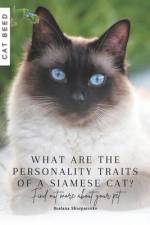
This is must-have book for cat enthusiasts, new cat owners, and anyone intrigued by the world of feline companionship. This book dives deep into the art of raising and understanding cats, exploring cat breed, their unique characteristics, and providing invaluable insights into solving common feline issues.Here you will find topics such as: How to Grow a CatReaders will discover the fundamentals of raising a healthy and happy cat. Topics include: Kitten care and development Feeding guidelines and nutrition Socialization and training Exercise and mental stimulation Preventative healthcareHome comfortThis section is all about creating the perfect environment for your cat to thrive. It covers: Designing a cat-friendly home Cat-safe plants and toys Creating engaging play spaces Litter box setup and maintenance Indoor vs. outdoor considerationsProblems and Their SolutionsCats can face various challenges, and this book offers practical solutions to common problems, such as: Litter box issues Scratching and furniture damage Aggression and territorial behavior Health concerns and emergencies Separation anxietyStory of breedExplore the fascinating history of cats, their evolution alongside humans, and their roles in different cultures. This chapter delves into: Ancient civilizations and their cat connections Rise of cat breedCharacteristics of Cat BreedsHere you will know about cat breed, their unique characteristics, origins, and personalities. Readers will discover: Characteristics Breed varieties Choosing the right breed variety for your lifestyle Breed-specific care tipsConclusion: This book is indispensable resource for cat lovers of all levels of experience. Whether you're a first-time cat owner looking for guidance or a seasoned feline aficionado seeking to deepen your understanding of these remarkable creatures, this book has something for everyone. With advices and captivating stories, it's the ultimate guide to the enchanting world of cats. Get ready to get a lot of knowledge, and get a new friend in your family!
This is must-have book for cat enthusiasts, new cat owners, and anyone intrigued by the world of feline companionship. This book dives deep into the art of raising and understanding cats, exploring cat breed, their unique characteristics, and providing invaluable insights into solving common feline issues.Here you will find topics such as: How to Grow a CatReaders will discover the fundamentals of raising a healthy and happy cat. Topics include: Kitten care and development Feeding guidelines and nutrition Socialization and training Exercise and mental stimulation Preventative healthcareHome comfortThis section is all about creating the perfect environment for your cat to thrive. It covers: Designing a cat-friendly home Cat-safe plants and toys Creating engaging play spaces Litter box setup and maintenance Indoor vs. outdoor considerationsProblems and Their SolutionsCats can face various challenges, and this book offers practical solutions to common problems, such as: Litter box issues Scratching and furniture damage Aggression and territorial behavior Health concerns and emergencies Separation anxietyStory of breedExplore the fascinating history of cats, their evolution alongside humans, and their roles in different cultures. This chapter delves into: Ancient civilizations and their cat connections Rise of cat breedCharacteristics of Cat BreedsHere you will know about cat breed, their unique characteristics, origins, and personalities. Readers will discover: Characteristics Breed varieties Choosing the right breed variety for your lifestyle Breed-specific care tipsConclusion: This book is indispensable resource for cat lovers of all levels of experience. Whether you're a first-time cat owner looking for guidance or a seasoned feline aficionado seeking to deepen your understanding of these remarkable creatures, this book has something for everyone. With advices and captivating stories, it's the ultimate guide to the enchanting world of cats. Get ready to get a lot of knowledge, and get a new friend in your family!
A desert tortoise is a type of tortoise species native to the deserts of North America, particularly in the southwestern United States and parts of northern Mexico.The desert tortoise is known by its scientific name, Gopherus agassizii. These tortoises have a high, domed carapace (the upper section of their shell) and strong legs, both of which help them survive in the harsh conditions of the desert.Desert tortoises are herbivorous reptiles that subsist primarily on a diet of diverse desert plants. Their ability to store water inside allows them to thrive even in regions with scarce water supplies. They spend a great deal of time underground, either to avoid dangerous weather or to hide from potential predators.These tortoises are categorized as a threatened species in the United States, and they are protected by numerous laws and regulations to help conserve their populations.The degradation of desert tortoise habitat, the development of roads, and illicit gathering are all major challenges to the species' continued existence.Protecting and restoring their natural habitats is a priority to ensure their continued existence in the wild.
The Vostochno-Sibirskaia Laika, or East Siberian Laika, is a type of hunting dog native to Russia's Siberian east. Laikas are a type of hunting dog that can be employed for a number of purposes, including tracking, sledding, and hunting.- The East Siberian Laika is a dog breed that thrives in the severe environment and rocky landscape of Siberia. They have a well-deserved reputation for toughness, sturdiness, and resilience in the face of subzero conditions. The thick double coat of these medium-sized canines provides excellent insulation from the cold. They are typically used to hunt both huge wildlife like bears and lesser prey like squirrels or birds, and they have a wolf-like look.- In addition to hunting, East Siberian Laikas are loyal and protective friends for their owners. They need to be trained and socialized to become well-behaved pets because they are smart and independent. This breed has been widely used by humans for many years in Siberia, and its popularity in the region as a hunting companion and household pet has only increased over time.
The Himalayan region includes parts of South Asian countries including India, Nepal, Bhutan, and Tibet, and the phrase "Himalayan sheep dog" usually refers to a breed or kind of working dog that is native to this region. In the harsh and treacherous Himalayan environment, these dogs are essential for herding and defending sheep and goats.- Himalayan sheepdogs are well-known for their robust build, quick reflexes, and watchdog instincts. In the Himalayas, predators like snow leopards and wolves are widespread, thus these dogs help shepherds and livestock owners manage their flocks by directing the animals and protecting them. Because of their loyalty and devotion to their human friends, these dogs are highly valued as working partners in the challenging environment of the Himalayas.- It's worth noting that the phrase "Himalayan sheep dog" might not relate to a single standardized breed, but rather to a wide variety of working canines native to the Himalayas. The appearance and personality of these canines could change based on where they were developed and what they were expected to do as puppies.
The Halden Hound, also called the Haldenstovare, is a Norwegian dog breed. This medium-sized breed excels in hunting small animals like hare and fox, and is well-known for its tracking skills. The sleek and athletic Halden Hound is distinguished by its short, dense coat, which is normally white with orange or liver-colored markings. They are excellent at detecting and tracking the scents left by prey animals, therefore they are frequently employed as scent hounds.Their outgoing personalities and willingness to play make them ideal pets for dynamic households. They have a strong hunting instinct; therefore they may require constant exercise and mental stimulation to keep them happy and healthy.
Originally from the Nivernais region of France, the Griffon Nivernais is a breed of dog known as a French hunting dog. This breed's superior hunting and tracking skills are well-known, especially when it comes to pursuing large game like boar and deer. Griffon Nivernais dogs are medium-sized and defined by their rough, wiry coat, which gives them a distinctive and scruffy appearance.- These dogs need enough of physical and mental activity to maintain a healthy and happy lifestyle. Because of their exceptional sense of smell and their ability to follow a scent over great distances, they are frequently used as hunting dogs. Dogs of the Griffon Nivernais breed are invaluable to hunters due to their doggedness and persistence when following game.- Griffon Nivernais dogs are known for their friendly, loyal, and devoted nature with their human families. To guarantee they grow up to be well-behaved pets, it's best to start socializing and training them as puppies. It is important to socialize them with other animals and to keep a close eye on them when they are around tiny pets since, like many hunting breeds, they may have a high prey drive.The Griffon Nivernais, a French hunting breed with a characteristic wiry coat and a devoted, friendly demeanor, is well-known for its tracking and hunting prowess.
The Ibizan Hound is a type of dog that was first developed on the Spanish island of Ibiza, where it is also known as the Podenco Ibicenco or the Ibizan Warren Hound. These canines stand out visually and perform uniquely in the field. Some facts and traits regarding the Ibizan Hound are as follows: 1.Ibizan Hounds have a slim, refined look that sets them apart. They have long, slender legs, huge, perked ears, and a lean, athletic build. They have a short coat that can be red, white, or a combination of the two hues.2. Ibizan Hounds have a reputation for being intelligent and self-reliant. In general, they have a pleasant demeanor and are kind and devoted to their owners. They may be shy with unfamiliar people, but within their own circles they are warm and gregarious.3. Hunting Instinct: These dogs were originally bred for hunting small animals, such as rabbits, on the island of Ibiza. They're expert hunters with a keen eye for tracking their prey. They're common in hunting and coursing competitions.4. Ibizan Hounds need daily exercise to maintain their high quality of life. They benefit greatly from being given adequate space and time to engage in their favorite pastimes of running and playing.5. Due to their independence, Ibizan Hounds can be difficult to train. Training them could take time and consistency. In most cases, children respond better to positive reinforcement than they do to punishment.6. Family Life: These dogs can make good family pets when properly socialized and trained. However, their hunting instinct may lead them to chase smaller animals and make them unfriendly to children and other canines.7. The short coat of an Ibizan Hound requires minimal grooming time. Regular brushing can help keep their coat clean and decrease shedding. They are generally a low-maintenance breed in terms of grooming.8. Ibizan Hounds, like all dog breeds, are predisposed to specific health problems such hip dysplasia and eye diseases. Responsible breeders screen for these disorders, and it's crucial for future owners to be aware of the breed's possible health difficulties.Ibizan Hounds are a beautiful and rare species with a long tradition of working with humans as hunters. When cared for by someone who fully appreciates their unique personality and demands, they can make wonderful pets
The Hovawart canine hails from Germany, where the breed was first developed. Due to its long history as a guard and watchdog for farms, estates, and properties, the name "Hovawart" comes from the Middle High German words "hova" (court) and "wart" (watchman or guardian).- Hovawarts are well-liked for their steadfastness, bravery, and adaptability. They are referred to as "working dogs" because of their many functions, which range from search and rescue to tracking to companionship. Common characteristics include a robust frame, thick double coat, and a striking black mask over the face. Their demeanor is usually regarded as cool, confident, and loyal to their loved ones.- For active families who are prepared to put in the time and effort required to train and care for a hovawart, this breed of dog may be a wonderful companion. They have excellent guard dog qualities and are well-known for their protective nature. These protective behaviors should be well-balanced and not unduly aggressive, thus early and frequent socializing is crucial.The Hovawart breed has been carefully guarded and selectively developed for generations so that it may continue to display its distinctive appearance and useful traits. Finding a reliable breeder that places importance on their dogs' health and disposition is essential if you're thinking of adopting a Hovawart as a pet.
This book serves as an essential guide for anyone who interested in getting a poultry. Here's a more detailed breakdown of its content: Historical Background: The book starts with a captivating look at the history of poultry breeds. This section explores the origins and evolution of different breeds, offering insights into how they have been shaped by both natural and selective breeding processes over time. Breed Characteristics and Features: Each breed of poultry has unique characteristics. This part of the book covers the physical attributes, temperament, and behavior specific to different breeds. It helps you understand what to expect from each type and how to identify them. Common Challenges and Solutions: Poultry keeping comes with its own set of challenges. This section discusses common problems that poultry keepers face, such as health issues, dietary needs, housing requirements, and behavioral problems. Practical and easy-to-implement solutions are provided to help you tackle these challenges effectively. Beginner's Guide: Tailored for beginners, this segment offers a step-by-step guide on how to start with poultry keeping. It covers the basics of feeding, daily care, and handling. It's a comprehensive guide for those who have just got their first poultry pet or are considering getting one. Before getting a pet, all people search for information on the Internet. This book will simplify your task several times; everything you need is already here! Interactive Elements: To enhance the learning experience, the book may include interactive elements like FAQs. By providing a thorough understanding of poultry, from historical context to practical care, this book is good resource for beginners and a handy reference for more experienced poultry enthusiasts.
This book serves as an essential guide for anyone who interested in getting a poultry. Here's a more detailed breakdown of its content: Historical Background: The book starts with a captivating look at the history of poultry breeds. This section explores the origins and evolution of different breeds, offering insights into how they have been shaped by both natural and selective breeding processes over time. Breed Characteristics and Features: Each breed of poultry has unique characteristics. This part of the book covers the physical attributes, temperament, and behavior specific to different breeds. It helps you understand what to expect from each type and how to identify them. Common Challenges and Solutions: Poultry keeping comes with its own set of challenges. This section discusses common problems that poultry keepers face, such as health issues, dietary needs, housing requirements, and behavioral problems. Practical and easy-to-implement solutions are provided to help you tackle these challenges effectively. Beginner's Guide: Tailored for beginners, this segment offers a step-by-step guide on how to start with poultry keeping. It covers the basics of feeding, daily care, and handling. It's a comprehensive guide for those who have just got their first poultry pet or are considering getting one. Before getting a pet, all people search for information on the Internet. This book will simplify your task several times; everything you need is already here! Interactive Elements: To enhance the learning experience, the book may include interactive elements like FAQs. By providing a thorough understanding of poultry, from historical context to practical care, this book is good resource for beginners and a handy reference for more experienced poultry enthusiasts.
This book serves as an essential guide for anyone who interested in getting a poultry. Here's a more detailed breakdown of its content: Historical Background: The book starts with a captivating look at the history of poultry breeds. This section explores the origins and evolution of different breeds, offering insights into how they have been shaped by both natural and selective breeding processes over time. Breed Characteristics and Features: Each breed of poultry has unique characteristics. This part of the book covers the physical attributes, temperament, and behavior specific to different breeds. It helps you understand what to expect from each type and how to identify them. Common Challenges and Solutions: Poultry keeping comes with its own set of challenges. This section discusses common problems that poultry keepers face, such as health issues, dietary needs, housing requirements, and behavioral problems. Practical and easy-to-implement solutions are provided to help you tackle these challenges effectively. Beginner's Guide: Tailored for beginners, this segment offers a step-by-step guide on how to start with poultry keeping. It covers the basics of feeding, daily care, and handling. It's a comprehensive guide for those who have just got their first poultry pet or are considering getting one. Before getting a pet, all people search for information on the Internet. This book will simplify your task several times; everything you need is already here! Interactive Elements: To enhance the learning experience, the book may include interactive elements like FAQs. By providing a thorough understanding of poultry, from historical context to practical care, this book is good resource for beginners and a handy reference for more experienced poultry enthusiasts.
This is must-have book for cat enthusiasts, new cat owners, and anyone intrigued by the world of feline companionship. This book dives deep into the art of raising and understanding cats, exploring cat breed, their unique characteristics, and providing invaluable insights into solving common feline issues.Here you will find topics such as: How to Grow a CatReaders will discover the fundamentals of raising a healthy and happy cat. Topics include: Kitten care and development Feeding guidelines and nutrition Socialization and training Exercise and mental stimulation Preventative healthcareHome comfortThis section is all about creating the perfect environment for your cat to thrive. It covers: Designing a cat-friendly home Cat-safe plants and toys Creating engaging play spaces Litter box setup and maintenance Indoor vs. outdoor considerationsProblems and Their SolutionsCats can face various challenges, and this book offers practical solutions to common problems, such as: Litter box issues Scratching and furniture damage Aggression and territorial behavior Health concerns and emergencies Separation anxietyStory of breedExplore the fascinating history of cats, their evolution alongside humans, and their roles in different cultures. This chapter delves into: Ancient civilizations and their cat connections Rise of cat breedCharacteristics of Cat BreedsHere you will know about cat breed, their unique characteristics, origins, and personalities. Readers will discover: Characteristics Breed varieties Choosing the right breed variety for your lifestyle Breed-specific care tipsConclusion: This book is indispensable resource for cat lovers of all levels of experience. Whether you're a first-time cat owner looking for guidance or a seasoned feline aficionado seeking to deepen your understanding of these remarkable creatures, this book has something for everyone. With advices and captivating stories, it's the ultimate guide to the enchanting world of cats. Get ready to get a lot of knowledge, and get a new friend in your family!
A Dalmatian is a remarkable breed of dog recognized for its striking black or liver-colored spots on a white coat. The distinctive appearance of these canines has made them popular among pet owners and admirers alike. Dalmatians tend to be around medium size and have an athletic frame. They have a reputation for being lively and humorous.Dalmatians have been around for a long time and have served several functions. They were initially developed as carriage dogs, which means they would trot alongside horse-drawn carriages to guard them and keep them safe from attacks. They could travel great distances with ease because of their robust and nimble build.The Dalmatian breed and its distinctive appearance became more well-known in the public eye because to the work of Pongo and Perdita, two of the main characters in the Disney animated film "101 Dalmatians."Dalmatians are well-known for their gregarious and friendly natures, but their high levels of energy and curiosity mean they may need regular exercise and mental stimulation. They make wonderful companions if properly trained and socialized.
Non-venomous and native to the southwestern United States and northwest Mexico, the Desert Rosy Boa is known scientifically as Lichanura trivirgata gracia. This snake's name comes from both its pretty pink or rosy hue and its natural setting in the desert. It's a short, stout-bodied snake with a striking pattern of three dark stripes running down its back. These snakes are typically kept as pets due to their striking look and gentle demeanor.The desert rosy boa is primarily found in dry, rocky, and scrubby environments. They prowl at night and eat tiny animals like rats and birds. Due to their mild demeanor and manageability, they are highly sought after by reptile aficionados.If you're considering keeping one of these snakes as a pet, it's important to familiarize yourself with the species' special needs and to verify that it's not against the law in your area.
The Dutch Shepherd is a canine breed of Dutch ancestry. These canines are well-known for their adaptability, wit, and herding prowess. They have a striking appearance with a well-proportioned, medium-sized body and a brindle coat, which is often a mixture of fawn and gray or black stripes.Because of their intelligence and trainability, Dutch Shepherds are frequently employed as working dogs, notably for herding animals. They serve several purposes, such as police dogs, search and rescue dogs, and household pets. They are ideal companions for energetic people because they are devoted and protective.Due to their high levels of energy and desire for mental and physical stimulation, this breed does best when given ample opportunities for both. Dutch Shepherds are also renowned for their dedication to their work and ability to concentrate intently on certain duties. They have a reputation for being loving and protective family pets and reliable guard dogs.Overall, the Dutch Shepherd dog is a smart and adaptable breed with a long history of herding and other working jobs, and they make great pets for anyone who are able to provide the exercise and mental stimulation they require.
Abonner på vårt nyhetsbrev og få rabatter og inspirasjon til din neste leseopplevelse.
Ved å abonnere godtar du vår personvernerklæring.