




Gjør som tusenvis av andre bokelskere
Abonner på vårt nyhetsbrev og få rabatter og inspirasjon til din neste leseopplevelse.
Ved å abonnere godtar du vår personvernerklæring.Du kan når som helst melde deg av våre nyhetsbrev.

Author and pastor Craig Groeschel helps you uncover who you really are-a man created in the image of God with a warrior's heart-and how to fight the good fight for what's right. You will find the strength to fight the battles you know you need to fight-the ones that determine the state of your heart, the quality of your marriage, and the spiritual health of your family. Craig will also look at examples from the Bible, including our good buddy Samson. Yep, the dude with the rippling biceps and hippie hair and a thing for Delilah. You may be surprised how much we have in common with this guy. By looking at his life, you'll learn how to defeat the demons that make strong men weak. You'll become who God made you to be: A man who knows how to fight for what's right. And don't you dare show up for this fight unarmed. Learn how to fight with faith, with prayer, and with the Word of God It's time to fight like a man. For God's Sake, FIGHT.
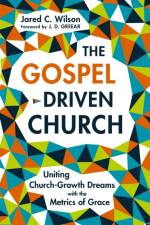
In The Gospel-Driven Church, author and pastor Jared C. Wilson shows how to lead a culture shift in a church from a focus on numerical success to the metrics of grace. He includes diagnostic questions that will help leaders measure--and lead team transparency in measuring as a group--the spiritual health of their church.
This second commentary volume on the Gospel of John continues in John 7 with verse two reading as a heading for the new section. The four chapters of John 7-10 present the central narrative of Jesus' public ministry in Jerusalem, characterized throughout by his presence in or near the temple. John 11 and John 12 serve as the "last section" of the account of Jesus' public ministry. It contains the "final sign" and three scenes which mark "the close" of Jesus' public work. Weinrich explores essential imagery, significant narrative devices, and historical interpretation of the Book of Signs.Featuring Excursuses on:John 7:37-39: Punctuation and MeaningDoes John 9 Refer to Baptism?Early Christian Interpretations of John 10:30John of Damascus on the Two Wills of Christand many more.About the SeriesThe Concordia Commentary Series: A Theological Exposition of Sacred Scripture is written to enable pastors and teachers of the Word to proclaim the Gospel with greater insight, clarity, and faithfulness to the divine intent of the Biblical text.The series will cover all the canonical books of the Old and New Testament, with an original translation and meticulous grammatical analysis of the Hebrew, Aramaic, or Greek of each text. The foremost interpretive lens centers on the unified proclamation of the person and work of Christ across every Scriptural book.The Commentary fully affirms the divine inspiration, inerrancy, and authority of Scripture; Each passage bears witness to the confession that God has reconciled the world to Himself through the incarnation, ministry, death, resurrection, and ascension of Christ His Son.Authors expose the rich treasury of language, imagery, and thematic content of the Scripture, while supplementing their work with additional research in archaeology, history, and extrabiblical literature. Throughout, God's Word emanates from authors careful attention and inculcates the ongoing life of the Church in Word, Sacrament, and daily confession.
If you ask average Bible readers what they know about the book of Joel, they might answer with one word: "Locusts!" This is not a bad memory hook, because a debilitating locust plague provides the backdrop of the book and a portion of its contents. Due to locusts, the people of Judah were in a wretched condition- suffering a national catastrophe- when God inspired the prophet Joel to bring a message to them.What does Joel tell the desperate people to do in their crisis? Rev Thomas P. Nass digs into the background, translation, style, and historical interpretation of this Minor Prophet. The Book of Joel is a book of comfort and hope for believers who are suffering. For people who feel that they are at the end of their rope, God paints a glorious picture of better days to come.Featuring Excursuses on:Were the Old Testament Prophets at Odds with the Priests?FastingLaw and Gospel in Joel and the ProphetsThe Trinity in the Old Testamentand many more.About the seriesThe Concordia Commentary Series: A Theological Exposition of Sacred Scripture is written to enable pastors and teachers of the Word to proclaim the Gospel with greater insight, clarity, and faithfulness to the divine intent of the Biblical text.The series will cover all the canonical books of the Old and New Testament, with an original translation and meticulous grammatical analysis of the Hebrew, Aramaic, or Greek of each text. The foremost interpretive lens centers on the unified proclamation of the person and work of Christ across every Scriptural book.The Commentary fully affirms the divine inspiration, inerrancy, and authority of Scripture; Each passage bears witness to the confession that God has reconciled the world to Himself through the incarnation, ministry, death, resurrection, and ascension of Christ His Son.Authors expose the rich treasury of language, imagery, and thematic content of the Scripture while supplementing their work with additional research in archaeology, history, and extrabiblical literature. Throughout, God's Word emanates from authors' careful attention and inculcates the ongoing life of the Church in Word, Sacrament, and daily confession.
Isaiah 13-27 includes ten prophetic burdens on nations surrounding Israel and an extended prophetic discourse of universal judgment and salvation. This commentary expounds their historical context, fulfillment in Jesus Christ, relevance for the church, and consummation at the return of Christ.In a variety of ways, the book of Isaiah proves to be rightly called "the Fifth Gospel." We hear the voice of Isaiah in chapters 13-27 of his book: his penetrating indictments of the unbridled arrogance of the nations, his terrifying threats of the coming Day of Judgment from the God of hosts, his encouraging promises of the coming Davidic King who will be swift to do righteousness, his promises of Gentiles being drawn to worship the Holy One of Israel, his exhilarating promises of all peoples singing doxology to the God of hosts and rejoicing at the end-time banquet in Zion, and his radical promises of the God of Israel one day swallowing up death itself and raising the dead.About the seriesThe Concordia Commentary Series: A Theological Exposition of Sacred Scripture is written to enable pastors and teachers of the Word to proclaim the Gospel with greater insight, clarity, and faithfulness to the divine intent of the Biblical text.The series will cover all the canonical books of the Old and New Testament, with an original translation and meticulous grammatical analysis of the Hebrew, Aramaic, or Greek of each text. The foremost interpretive lens centers on the unified proclamation of the person and work of Christ across every Scriptural book.The Commentary fully affirms the divine inspiration, inerrancy, and authority of Scripture; Each passage bears witness to the confession that God has reconciled the world to Himself through the incarnation, ministry, death, resurrection, and ascension of Christ His Son.Authors expose the rich treasury of language, imagery, and thematic content of the Scripture while supplementing their work with additional research in archaeology, history, and extrabiblical literature. Throughout, God's Word emanates from authors' careful attention and inculcates the ongoing life of the Church in Word, Sacrament, and daily confession.
Discover your path through life's twists and turns with The Green Witch's Guide to Navigating Life's Ups and Downs
Celebrated eurythmist Werner Barfod details the seven planetary gestures in eurythmy and outlines how each expresses a different relationship of the human being to the world. An insightful book which will help eurythmists bring creativity into their art.
International migration is a growing phenomenon in the 21st century and is increasingly seen as a high-priority public policy issue by many governments, politicians, and the broader public throughout the world. Its importance to economic prosperity, human development, and safety and security ensures that it will remain a top priority.
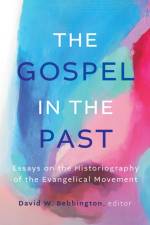
From the dawn of their movement in the eighteenth century, evangelicals composed narratives of the revivals that were drawing in large numbers of new converts. As evangelicals continued to write about the achievements of their heroes at home and abroad, tensions between their theological purposes and the historical nature of their writings began to emerge, particularly as history developed into a professional academic discipline. Words praising the Lord's doings in the past might seem out of place in scholarly discourse. Non-evangelicals, recognizing the importance of the movement, added to the problem by discussing it without reference to divine involvement. Theology and history found themselves opposed to one another in accounts of the evangelical past. Was the evangelical movement to be seen as an expression of divine activity or of human culture? If it was to be seen as both, how was its Christian content related to its contexts? The Gospel in the Past brings together eleven scholars of evangelical theology and history seeking to answer questions such as these within evangelical historiography. Part 1 focuses on the historiography of selected evangelical themes and topics, such as eschatology, evangelical women, and responses to C. S. Lewis. Part 2 focuses on evangelical historiography within particular countries, such as Wales and Australia, and within particular denominations, such as Anglicanism.Each of the essays touches to a greater or lesser extent on the contrast between traditional evangelical approaches to history and more recent ones shaped by the expectations of the academy. Engaging both sides of this lively divide, The Gospel in the Past is an accessible guide to the historiography of the evangelical movement with a focus on analyzing and beginning to resolve some of the tensions within the discipline.
Abonner på vårt nyhetsbrev og få rabatter og inspirasjon til din neste leseopplevelse.
Ved å abonnere godtar du vår personvernerklæring.