











Gjør som tusenvis av andre bokelskere
Abonner på vårt nyhetsbrev og få rabatter og inspirasjon til din neste leseopplevelse.
Ved å abonnere godtar du vår personvernerklæring.Du kan når som helst melde deg av våre nyhetsbrev.

Probablement n'avez vous pas eu vent des évènements surréalistes qui se déroulent depuis deux siècles sous le gros chêne près du Village d'Enfants de Grasi en Lettonie ?Une nuit de novembre sans lune, de nouveau la meute de loups et les chiens des environs se mirent à hurler et les cloches à sonner. Etonnant...Cette histoire fantastique nous entraine dans l'ambiance du sovkhoze (ferme d'Etat) de Grasi durant la période soviétique.50% du solde revenant à l'auteur ayant vécut plusieurs années en ces lieux, sera versé au Village 'Enfants.4 langues sur le même ouvrage: Français, Letton, Anglais, Russe. Français, Latviski, English, Russkiy
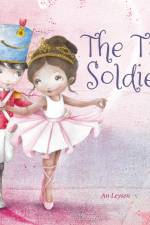
A beautiful edition with two stories: a modern retelling of The Steadfast Tin Soldier and a surprising story about a troublesome toy he encounters. With games and riddles, for children ages 5 years and up.When he arrives in Christian’s room, one toy catches the tin soldier’s eye: the graceful ballerina next to the paper castle. She stands on one leg, just like he does! At midnight, the toys come to life, and the soldier and the ballerina are enchanted with each other. But the very next day, the tin soldier finds himself on an unexpected adventure. He bravely faces danger and never gives up hope. After all, he must return to the toy room and see the beautiful ballerina again!In the second part of this book, the tin soldier has a new obstacle to overcome. The jack-in-a-box wants to get rid of him. Who will win?
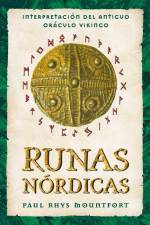
Una guía completa y práctica sobre este antiguo oráculo basado en el alfabeto rúnico de los nórdicos
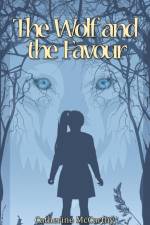
Ten-year-old Hannah has Down syndrome and oodles of courage, but should she trust the beautiful tree creature who smells of Mamma's perfume or the blue-eyed wolf who warns her not to enter the woods under any circumstances? The Wolf and the Favour is a tale of love, trust, and courage. A tale that champions the neurodivergent voice and proves the true power of a person's strength lies within themselves.
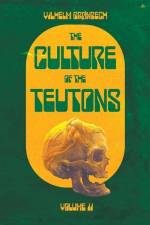
Vilhelm Grønbech was a preeminent professor of the history of religion at the University of Copenhagen in the early twentieth century. His vast breadth of knowledge of world cultures and religions had profound effect on Danish academic thought, and in The Culture of the Teutons, Grønbech turns his keen analysis toward his own culture, that of Germanic Europe.Grønbech draws upon a rich panoply of sources in the Norse sagas, legal rulings, and historical figures both living and mythological to deliver for us a compelling thesis of the tribes that harried Rome, of the Viking Age, of pagan rituals and later widespread adoption of Christianity as much more than the sum of bloodthirsty plundering, as less charitable historians have condemned them. Instead, we delve into a culture alien to that of Tacitus or the Greeks, misunderstood for hundreds if not thousands of years. In seeming contradiction, the pagan worldview is foreign compared to our own today, or to the culturally imperialistic Romans who documented their "barbarian" foes, yet one cannot be truly estranged from his own ancestors. The genius of The Culture of the Teutons lies in Grønbech's ability to weave together what at first glance appear polar opposites, but in reality are inexorably linked.The various Germanic tribes of Europe, the Teutons, place unshakeable value on honor, family, and religion to create a society perplexingly carnal yet sophisticated, advanced yet close to nature. And nowhere is this clearer than in their settlement of inhospitable lands such as Iceland or the Faroe Islands, in which they brought order to a seemingly untamable environment. The impact of the peoples of Northern Europe on world history today is so vast no amount of spilled ink can pay it justice.Antelope Hill Publishing is proud to bring this expansive tome back into the limelight for a modern English-speaking audience, now complete with a substantial glossary, index, and hundreds of footnotes to confer important cultural context that would have been assumed common knowledge to its intended Danish audience. Volume II, published in 1912, hones in on the mystic aspects of paganism, the customs of gift giving, the buying and selling of land, and a deep exploration into the various Norse gods.
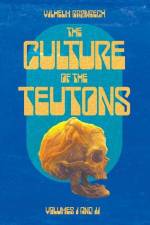
Vilhelm Grønbech was a preeminent professor of the history of religion at the University of Copenhagen in the early twentieth century. His vast breadth of knowledge of world cultures and religions had profound effect on Danish academic thought, and in The Culture of the Teutons, Grønbech turns his keen analysis toward his own culture, that of Germanic Europe.Grønbech draws upon a rich panoply of sources in the Norse sagas, legal rulings, and historical figures both living and mythological to deliver for us a compelling thesis of the tribes that harried Rome, of the Viking Age, of pagan rituals and later widespread adoption of Christianity as much more than the sum of bloodthirsty plundering, as less charitable historians have condemned them. Instead, we delve into a culture alien to that of Tacitus or the Greeks, misunderstood for hundreds if not thousands of years. In seeming contradiction, the pagan worldview is foreign compared to our own today, or to the culturally imperialistic Romans who documented their "barbarian" foes, yet one cannot be truly estranged from his own ancestors. The genius of The Culture of the Teutons lies in Grønbech's ability to weave together what at first glance appear polar opposites, but in reality are inexorably linked.The various Germanic tribes of Europe, the Teutons, place unshakeable value on honor, family, and religion to create a society perplexingly carnal yet sophisticated, advanced yet close to nature. And nowhere is this clearer than in their settlement of inhospitable lands such as Iceland or the Faroe Islands, in which they brought order to a seemingly untamable environment. The impact of the peoples of Northern Europe on world history today is so vast no amount of spilled ink can pay it justice.Antelope Hill Publishing is proud to bring this expansive tome back into the limelight for a modern English-speaking audience, now complete with a substantial glossary, index, and hundreds of footnotes to confer important cultural context that would have been assumed common knowledge to its intended Danish audience. This complete edition includes volumes I and II, published in 1909 and 1912, respectively.
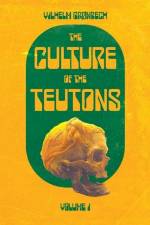
Vilhelm Grønbech was a preeminent professor of the history of religion at the University of Copenhagen in the early twentieth century. His vast breadth of knowledge of world cultures and religions had profound effect on Danish academic thought, and in The Culture of the Teutons, Grønbech turns his keen analysis toward his own culture, that of Germanic Europe.Grønbech draws upon a rich panoply of sources in the Norse sagas, legal rulings, and historical figures both living and mythological to deliver for us a compelling thesis of the tribes that harried Rome, of the Viking Age, of pagan rituals and later widespread adoption of Christianity as much more than the sum of bloodthirsty plundering, as less charitable historians have condemned them. Instead, we delve into a culture alien to that of Tacitus or the Greeks, misunderstood for hundreds if not thousands of years. In seeming contradiction, the pagan worldview is foreign compared to our own today, or to the culturally imperialistic Romans who documented their "barbarian" foes, yet one cannot be truly estranged from his own ancestors. The genius of The Culture of the Teutons lies in Grønbech's ability to weave together what at first glance appear polar opposites, but in reality are inexorably linked.The various Germanic tribes of Europe, the Teutons, place unshakeable value on honor, family, and religion to create a society perplexingly carnal yet sophisticated, advanced yet close to nature. And nowhere is this clearer than in their settlement of inhospitable lands such as Iceland or the Faroe Islands, in which they brought order to a seemingly untamable environment. The impact of the peoples of Northern Europe on world history today is so vast no amount of spilled ink can pay it justice.Antelope Hill Publishing is proud to bring this expansive tome back into the limelight for a modern English-speaking audience, now complete with a substantial glossary, index, and hundreds of footnotes to confer important cultural context that would have been assumed common knowledge to its intended Danish audience. Volume I, published in 1909, focuses particularly on the cultures of honor and revenge, the clan system and lineage, and the cycle of life.
The Ricketts' Poltergeist at Hinton Ampner chronicles one of England's most famous hauntings. Between 1765 and 1777, Mary Ricketts and her family endured strange disturbances in their Hampshire home. Rattling sounds, phantom footsteps, and ghostly apparitions plagued the Ricketts night and day. Neighbors offered explanations about smuggled treasure and past murders, even a monkey skull was presented as evidence, but no ordinary cause could explain the bizarre events. This book compiles six historical records of the case, including contemporary letters, diary entries and scholarly commentary. It presents the fullest account of the haunting ever published, allowing readers to evaluate the mystery and weigh possible explanations. For enthusiasts of British ghosts and haunted houses, this book provides a compelling and chilling tale.
This Cornish folklore collection features lesser known writings on Cornish popular beliefs and superstition. Ranging from Robert Hunt's forgotten letters in Athenaeum on witches and pixies riding horses to Samuel Cornish foolishly whistling in a mine, it offers a fascinating look into Victorian and Edwardian perspectives on magical and uncanny beliefs in Cornwall. With pieces both scholarly and fanciful, Piskies, Ghosts and Conjurers revives long-forgotten voices and stories, capturing a pivotal moment when old traditions still lingered but were swiftly vanishing. The collection is rounded off with Dawson Scott's 'The Fairies in Cornwall', an essay written in the 1920s for the Fairy Investigation Society.
Forget the ghostly rider - it's time for the horse to take center stage. This collection features mysterious equine spirits from around the world, but especially from Britain and Ireland. Here you'll find tales of spectral steeds galloping without riders, as well as horse spirits and supernatural shape-shifting horses. Meet Ireland's deadly Yalla Horse, the White Devil of California, and the elusive white horse of South Africa. Learn, too, about England's mischievous brag and colt-pixy: horse shapechangers that belong as much to the realm of fairy as to that of phantoms. These stories - some fictional folktales, some reported facts, some glorious misunderstandings - cover a range of uncanny equine encounters. But the message is clear: if you hear ghostly hoofbeats in the night, don't stand around waiting for the horse to appear. Your best bet is to run for dear life!
Wander into the mystical, wolf-inhabited forests that inspired the Brothers Grimm. Here, an unwelcoming town seals for itself an eternal fate - a curse that only a mysterious outsider can lift.
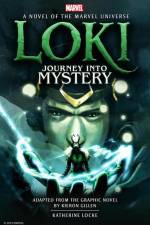
This truly epic adaptation of Kieron Gillen's Loki series spans the Nine Realms as the reborn trickster struggles to walk the hero's path and save the universe from an epidemic of fear. THE GOD OF LIES HAS BEEN REBORN. CAN YOUNG LOKI BE ASGARD'S SAVIOR? When Earth is plagued by an epidemic of fear, ancient prophecy says only Thor can stop the monstrous threat of the Serpent, but without help from Loki, Thor is certain to fail. Aided by a handmaiden from Hel and a demon puppy, Loki must risk everything to find redemption--or doom himself for eternity. Either way, a Nightmare lies in wait hoping to rule the world, and Loki will have to risk everything on his craziest scheme of all! Meanwhile, new gods threaten to disrupt the status quo, throwing everything out of balance. Loki must act as a responsible ambassador, but will the Nine Realms end in Surtur's fire? Young Loki must cross the realms to reclaim his own story, outwit ancient enemies, struggle to do the right thing, and avoid falling in love.
An unveiling of the presence of captivating figures and creatures throughout history. In this gripping philosophical and cultural exploration, Teresa Präauer sets out to investigate figures of transformation, transmission, and translation-across languages, cultures, genres, media, species, and spaces. Hybrids, chimeras, monsters, and liminal creatures of all sorts inhabit these pages, as indeed they do the pages of the cultural archive from Antiquity and the Middle Ages to the present day: everything from the harpies, ape-men, and cynocephali that inhabit the edges of medieval maps and taxonomies to the Krampuses and Furries that roam through Alpine villages and convention centers today. Yet these chimeras are not aberrations; rather, they reveal an essential truth about culture and artistic expression. What emerges in Becoming Animal is a kaleidoscopic image of culture as the constant probing of the limits of the sayable, as an unending process of attempting to capture in words and symbols that which cannot be pinned down.
The chapters in this collection examine the impact of Soviet-era folklore studies and ethnology on past and present Europe and the world.
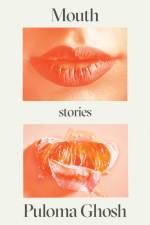
"Mouth is an eerie, uncanny debut collection of speculative stories that moves across time and place, blurring the lines of conventional reality"--
"From Greece to Palmyra, Tyre to Babylon, the names of the gods reveal their fields of competence and action. Through the study of divine names, the twelve chapters of this book unfold a gallery of portraits that reveal the changing aspects of the divine throughout the ancient Mediterranean"--
The Second Mrs.Tanqueray is an unchanged, high-quality reprint of the original edition of 1894.Hansebooks is editor of the literature on different topic areas such as research and science, travel and expeditions, cooking and nutrition, medicine, and other genres. As a publisher we focus on the preservation of historical literature. Many works of historical writers and scientists are available today as antiques only. Hansebooks newly publishes these books and contributes to the preservation of literature which has become rare and historical knowledge for the future.
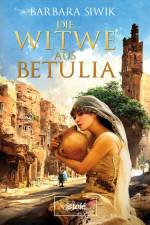
Das große Babylon hat kürzlich das Königreich Juda besiegt und viele Judäer in die Gefangenschaft geführt. Nun steigt auch für die Eroberer am Horizont der Geschichte die Bedrohung durch die Perser auf. Das babylonische Heer ist deshalb in den tributpflichtigen Provinzen unterwegs und zwingt taugliche Männer in den Kriegsdienst.Die Stadt Betulia widersteht den Babyloniern und wird belagert. Um die Einwohner zu retten, nimmt die junge Witwe Jehudit die Geschicke ihrer Stadt in die eigenen Hände. Durch ihr kluges Vorgehen bringt sie das Großreich Babylon zum Sturz.Oft ist es die Kraft der Schwachen, die die Weltgeschichte bewegt!
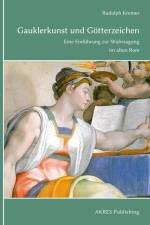
Die wahrsagerische Befragung der Götter war ein alltäglicher Bestandteil der römischen Religion. Im Allgemeinen waren die antiken Römer mit vielen Divinationsformen vertraut, die auch heute noch praktiziert werden, wie das Pendeln, das Handlesen oder das Schriftorakel.Dieses Buch bietet eine systematische Betrachtung aller religiösen und weltlichen Arten der Wahrsagung, die im alten Rom bekannt waren. Die Berücksichtigung soziohistorischer und literarischer Kontexte macht dem Leser das Phänomen römischer Wahrsagung verständlicher und ermöglicht Bezüge zur Gegenwart.
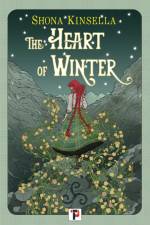
Readers of Sistersong by Lucy Holland, Cast Long Shadows by Cat Hellisen and The Pendragon Cycle by Stephen Lawhead wil love this fantasy tale of folklore and myth from Scotland.When Brigit is faced with a forced marriage to Aengus, god of Summer, she flees into the highlands in search of the Cailleach, the Queen of Winter. There, she hopes to learn how to live on her own terms, without the need for a man to speak for her, but can she persuade the Cailleach that she is worthy? Caught between two gods and finding an unlikely ally in the Fae witch, Nicnevin, Brigit will be tested to her limits and beyond.FLAME TREE PRESS is the imprint of long-standing Independent Flame Tree Publishing, dedicated to full-length original fiction in the horror and suspense, science fiction & fantasy, and crime / mystery / thriller categories. The list brings together fantastic new authors and the more established; the award winners, and exciting, original voices. Learn more about Flame Tree Press at www.flametreepress.com and connect on social media @FlameTreePress
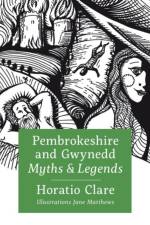
Horatio Clare re-tells six myths and legends of Wales'' celebrated regions of Pembrokeshire and Gwynedd. These brilliantly written short stories bring to life the extensive history and supernatural mystery that resides in these beautiful landscapes. Each story is illustrated by Jane Matthews.
Von West nach Ost, von Baba Jaga bis Rapunzel.Entdecken Sie die Macht der Gletschergeister der Alpen, erkunden Sie mit einem verliebten Mann die japanische Unterwelt und finden Sie ein Mädchen mit langen Haaren am Great Barrier Reef.In neue Gewänder gekleidet finden Sie gewiss Ihr Lieblingsmärchen, mal eindeutig, mal versteckt. Dazu schenkt Ihnen die Illustratorin Lara Dusch noch bezaubernde kleine Einblicke und weckt die Neugier auf jede einzelne Geschichte.Die Kraniche entführen Sie in ihrem vierten Kurzgeschichtenband in die vielseitige Welt der Märchen.Mit Gastbeiträgen von Christina Löw, Diana Menschig, Katrin Minert, Bernhard Stäber, Carsten Steenbergen und Hannah Thüring
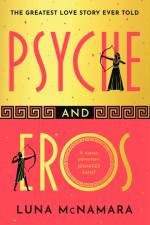
Every page is a breathless, swoonworthy adventure' Roshani Chokshi, bestselling author of The Last Tale of the Flower Bride'An enthralling tale of adventure, romance, and star-crossed lovers' Sue Lynn Tan, bestselling author of Daughter of the Moon Goddess'Evocative and lyrically spun, Luna McNamara's Psyche and Eros is a pure delight' Rebecca Ross, #1 internationally bestselling author of A River EnchantedA stunning, exciting and hotly-anticipated feminist retelling of one of the greatest love stories in Greek mythology!The greatest love story ever told...Born into an era of heroes, a prophecy claims that Psyche - Princess of Mycenae - will defeat a monster feared even by the gods themselves. Rebelling against society's traditions, she spends her youth mastering blade and bow, preparing to fulfil her destiny. But she is soon caught up in powers beyond her control, when the jealous Aphrodite sends the God of Desire, Eros, to deliver a fatal love-curse. The last thing Eros wants is to become involved in the chaos of the mortal world, but when he is pricked by the very arrow intended for Psyche, he is doomed to love a woman who will be torn from him the moment their eyes meet. Thrown together by fate, headstrong Psyche and world-weary Eros will face challenges greater than they could have ever imagined. And as the Trojan War begins and the whole of the heavens try to keep them apart, will they find their way back to each other... before it's too late?Luna McNamara's exquisitely written debut will appeal to fans of Madeline Miller, Jennifer Saint and Susan Stokes-Chapman.
Abonner på vårt nyhetsbrev og få rabatter og inspirasjon til din neste leseopplevelse.
Ved å abonnere godtar du vår personvernerklæring.