














Gjør som tusenvis av andre bokelskere
Abonner på vårt nyhetsbrev og få rabatter og inspirasjon til din neste leseopplevelse.
Ved å abonnere godtar du vår personvernerklæring.Du kan når som helst melde deg av våre nyhetsbrev.

"Bourton on the Water: An Illustrated Guide" is written by Paul Snowdon. This beautifully hand drawn guide to this famous Cotswold village brings alive the history of the area dating from before Roman times, explore this village's history page by page. This is no ordinary book; it is a labour of love,
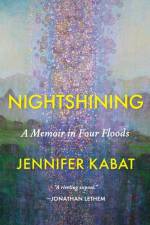
A propulsive, layered examination of the conflict between the course of nature and human legacies of resistance and control.Floods, geoengineering, climate crisis. Her first year in Margaretville, New York, Jennifer Kabat wakes to a rain-bloated stream and three-foot waves in her basement.This is far from the first—and hardly the worst—natural disaster to devastate her town. As Kabat dives deeper into the region’s fraught environmental history, she discovers it was more than once the site of Cold War weather experimentation. She traces connections between noctilucent clouds, man-made precipitation, and the 1950 Rainmaker’s Flood—finding unlikely characters along the way, including Kurt Vonnegut’s brother, Bernard, a scientist at General Electric. And all the while she searches for ways to cope with the grief of her environmentalist father’s recent passing. “Because I need the water to speak to me too,” she writes.Curious and experimental, Nightshining uses place as the palimpsest of history, digging into questions of personal responsibility and planetary change. With “characteristically lyrical incision” (Marko Gluhaich), Kabat circles back to her own life experience and the essence of being human—the cosmos thrumming in our bodies, connecting readers to the land around us and time before us.
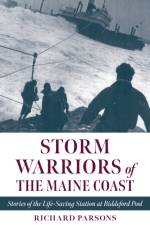
From 1874 until 1915, the "Storm Warriors" of the Fletchers Neck Life Saving Service and the citizens of the Village of Biddeford Pool shared a common history. Gleaned from local newspapers, stations logbooks, official records of the Life Saving Service, and the papers and memories of involved families, these are tales of men at odds with the fury of nature.
A compelling memoir about Kim Heacox's more than thirty-year relationship with the most iconic landscape in Alaska
Historical walking guide along the trails of Leuven scientists and their laboratories. Throughout its history, Leuven University has been home to many famous scientists. The names of cartographer Gerard Mercator, discoverer of gas lighting Jan Pieter Minckelers, chemist Jean-Baptist Van Mons, zoologist Pierre Joseph Van Beneden, and inventor of the Big Bang theory Georges Lemaître live on in the local street scene. The laboratories where they worked were housed in university colleges, repeatedly adapted over the centuries to the requirements of scientific research. With the last of these laboratories soon to move out of the inner city to a campus outside the city, this book outlines the urban history of Leuven's scientists and their laboratories, taking the reader along the still-visible traces of this remarkable heritage. Leuven's College Laboratories: An Urban Walking Guide through 600 Years of Science focuses on the material heritage of science. The book provides an engaging and accessible introduction to the university's urban history, appealing to a wide audience of interested parties such as alumni, visitors, and tourists.
This book examines how California Indigenous groups forged a new economy based on cattle, opening the door to the assertion and recognition of American Indian sovereignty over ancestral lands by the United States. Shanta reflects on how they survived, kept their cultures alive, and gained recognition of their sovereign status.
A comprehensive history of Philadelphia from the region's original Lenape inhabitants to the myriad of residents in the twenty-first centuryPhiladelphia is famous for its colonial and revolutionary buildings and artifacts, which draw tourists from far and wide to gain a better understanding of the nation's founding. Philadelphians, too, value these same buildings and artifacts for the stories they tell about their city. But Philadelphia existed long before the Liberty Bell was first rung, and its history extends well beyond the American Revolution.In Philadelphia: A Narrative History, Paul Kahan presents a comprehensive portrait of the city, from the region's original Lenape inhabitants to the myriad of residents in the twenty-first century.As any history of Philadelphia should, this book chronicles the people and places that make the city unique: from Independence Hall to Eastern State Penitentiary, Benjamin Franklin and Betsy Ross to Cecil B. Moore and Cherelle Parker. Kahan also shows us how Philadelphia has always been defined by ethnic, religious, and racial diversity-from the seventeenth century, when Dutch, Swedes, and Lenapes lived side by side along the Delaware; to the nineteenth century, when the city was home to a vibrant community of free Black and formerly enslaved people; to the twentieth century, when it attracted immigrants from around the world. This diversity, however, often resulted in conflict, especially over access to public spaces. Those two themes- diversity and conflict- have shaped Philadelphia's development and remain visible in the city's culture, society, and even its geography. Understanding Philadelphia's past, Kahan says, is key to envisioning future possibilities for the City of Brotherly Love.
A photographic journey around the East End of London exploring the myriad of places connected to Jack the Ripper
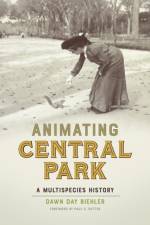
"Telling a multispecies history of Central Park from the 1850s until the 1970s, Dawn Day Biehler illuminates the vibrant lives of humans and animals in the park, showcasing stories of decorative sheep, nesting swans, capering monkeys, and escaped bison as well as New Yorkers' attempts to reconfigure their relationships to the land and animals and claim spaces for recreation and leisure. Ultimately, Biehler shows how Central Park has always been a place where power and belonging have been contested by animals and humans alike"--
From humble beginnings in rural America, I grew up in the forest near a wild river destined to work on important engineering projects that would affect the lives of millions of people.Finding the loves of my life and the critical decisions which sometimes ended those relationships and changed my future.The stories of the many people who helped to propel me toward my goal and their contributions that would eventually bring me in a full circle and return home again to where it all began.
An accessible history of St Albans from its beginnings to the present day highlighting the city's significant events and people
A fascinating portrait of Whitstable presented through a remarkable collection of historical postcards.
Explore the Hampshire town of Romsey in this fully illustrated A-Z guide to its history, people and places.
A haunting collection of images from photographers James Lacey and David Gooch revealing the fascination of derelict buildings and structures around Liverpool and Merseyside.
A celebration of Canterbury's rich heritage and identity - its special events, achievements, people, industry and landmarks.
Abonner på vårt nyhetsbrev og få rabatter og inspirasjon til din neste leseopplevelse.
Ved å abonnere godtar du vår personvernerklæring.