





Gjør som tusenvis av andre bokelskere
Abonner på vårt nyhetsbrev og få rabatter og inspirasjon til din neste leseopplevelse.
Ved å abonnere godtar du vår personvernerklæring.Du kan når som helst melde deg av våre nyhetsbrev.

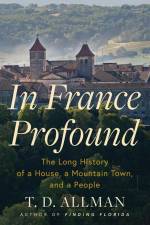
"From the National Book Award-longlisted author of Finding Florida, a sparkling, sweeping chronicle of the author's life and discoveries in an ancient town in "Deep France," from nearby prehistoric caves to medieval dynastic struggles to the colorful characters populating the area today. When T. D. Allman purchased an 800-year-old house in the mountain village of Lauzerte in southwestern France, he aimed to find refuge from the world's tumults. Instead, he found that humanity's most telling melodramas, from the paleolithic to the postmodern, were graven in its stones and visible from its windows. Indeed, the history of France can be viewed from the perspective of Lauzerte and its surrounding area-just as Allman, from one window, can see Lauzerte unfold before him in the Place des Corniáeres, where he watches performances of the opera Tosca and each Saturday buys produce from "Fred, the Foie Gras Guy"; while from the other side facing the Pyrenees he surveys the fated landscape that generated many events giving birth to the modern world. The dynastic struggles of Eleanor of Aquitaine, he finds, led to Lauzerte's remarkably progressive charter issued in 1241, which even then enshrined human rights in its 51 articles. From Eleanor's marriage to English king Henry II in 1154 dates the never-ending melodrama pitting English arrogance against French resistance; in 2016 Brexit demonstrated that this perpetual contretemps is another of the vaster conditions life in Lauzerte illuminates. Allman chronicles the many conflicts that have swirled in the region, from the Catholic Church's genocidal campaign to wipe out "heresy" there; to France's own sixteenth-century Wars of Religion, which saw hundreds massacred in the town square, some inside his house; to World War II, during which Lauzerte was part of Nazi-occupied Vichy. In prose as crystalline as his view to the Pyrenees on a clear day, Allman animates Lauzerte and its surrounding communities-Cahors, Moissac, Montauban-all ever in thrall to the magnetic impulse of Paris. Witness to so many dramas over the centuries, his house comes alive as a historical protagonist in its own right, from its wine-cellar cave to the roof where he wages futile battle with pigeons, to the life lessons it conveys. "The onward march of history, my House keeps demonstrating, never takes a rest," he observes, pulling us vividly into his world"--
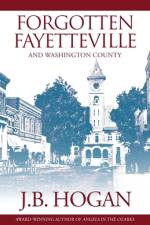
Fayetteville and Washington County came into being almost 200 years ago. A lot of things happen in two centuries-all kinds of things, good and bad. Much of the history of the area has been preserved and is easily accessed, but sometimes, our local history gets lost or simply drops out of the public's consciousness.Forgotten Fayetteville is a book devoted to retrieving ignored, lost, or forgotten history, mostly in Fayetteville but in the surrounding county, too. Traverse family legacies, untold crimes, and pivotal figures now lost to our communal awareness. Walk down our local memory lane to visit our original schools, movie theaters like the Ozark, Palace, and Victory-the latter almost wiped clean from our past-and the history of Wilson (City) Park. Discover the true account of the murder of an African American police officer... in 1928. Learn how a car wreck near West Fork in 1939 changed the course of American political history and how an internationally-known local author made a triumphant hometown return, only to find that you really can't go home again. Take a trip into forgotten history. It's a journey well worth the effort.
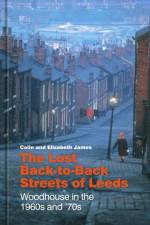
A unique and evocative photographic record of changes in Woodhouse, Leeds, in the 1960s and 1970s
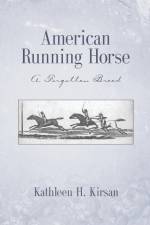
Did you know America had a racehorse breed 60 years before the English Thoroughbred existed and 100 years before the Thoroughbred got here?Or that this breed could race in both sprint and stamina contests at the pace and the gallop? Or that it excelled as a saddle horse, hunt horse as well as at racing?Or that this early breed is the athletic base of all America's best light horse breeds?The reason you don't know of it is that its history and record was intentionally hidden from us.This book is a compilation and commentary on the history of America's first light horse breed, and the movement launched to eliminate it from the competitions it excelled at, and to replace it and its memory with another breed. The historical evidence is presented in time blocks and provides the contemporary accounts of this horse in each era in chronological order so that the reader may trace it and its descendant breeds through time to the present day.
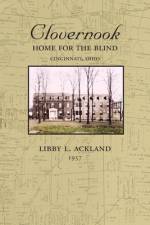
Clovernook: Home for the Blind is a brief history originally published in 1957. Clovernook was built on the grounds of the home of noted poets Alice and Phoebe Cary in Cincinnati, Ohio. Within a decade it became one of the most innovative homes for the blind, incorporating a weaving shop and, importantly, a braille press which, by the 1920s, was the second leading publisher of braille books in the country. It remains to this day one of the largest braille producers in the world. This brief history traces Clovernook's origins to the middle of the twentieth century.
During the last-half of the 1800s, each California County periodically produced their Great Register, as required by legislation, and which published the County Voter Registration List for the specified period. At election time, published copies of these books were given to local precincts to verify voter registration, and following the election, most books were discarded or destroyed. The individual County Clerks of each county certified the publications as 'true and complete.' El Dorado County, California, was in the heart of 'Gold Country, ' during the great Gold Rush of 1849. Thousands of individuals, from all over the United States, descended upon this area in search of their fortune, and many remained following the bust. This 1867 Voter Registration for El Dorado County is a valuable resource for local historians and genealogists. The information it contains includes the names, ages, place of nativity, occupation, and place of residence of each registered voter in the County, and totals approximately 5,000 individuals. These books are rare and extremely difficult to locate. They do, however, provide researchers with valuable information often found only in the original records.
This work has been selected by scholars as being culturally important, and is part of the knowledge base of civilization as we know it.This work is in the "public domain in the United States of America, and possibly other nations. Within the United States, you may freely copy and distribute this work, as no entity (individual or corporate) has a copyright on the body of the work.Scholars believe, and we concur, that this work is important enough to be preserved, reproduced, and made generally available to the public. We appreciate your support of the preservation process, and thank you for being an important part of keeping this knowledge alive and relevant.
Sahuarita, Arizona, a once-sleepy agricultural, ranching, and mining community, has blossomed into a bustling suburban oasis in the heart of the Sonoran Desert. Families flock to the area to live in master-planned communities, all just a short commute to the city of Tucson. Sahuarita is transitioning from being solely a bedroom community to a town with substantial economic development opportunities. Yet, in spite of the incredible growth the area has experienced in recent decades, since its beginnings in the 1820s Sahuarita continues to reflect the uniqueness of its namesake, little saguaro cactus. This is the story of Sahuarita and the surrounding communities as told through the voices of local folks and their families who have lived there for generations. The process of gathering first- and second-hand anecdotes and stories for this book took over six years, and was complicated by a global pandemic. In the end, volunteer researchers, interviewers, and authors succeeded in documenting captivating tales and portraits of life in the Sahuarita area from the late 1800s to the present day. This book highlights and celebrates the hardships, successes, and everyday experiences of the steadfast and resourceful citizens who lived in this area of the Santa Cruz Valley long before its incorporation into a town in 1994. The reader will find detailed answers to questions such as: "Who planted the pecan trees along Old Nogales Highway?" "Was there really a World War II prisoner of war camp there?" "Where is the oldest standing schoolhouse in Arizona?" "Did passenger trains stop in Sahuarita?" "Which local mining town advertised that Tucson would become its suburb?" Please enjoy this work of the heart created to memorialize the people and places of the Sahuarita area. The authors cordially invite you to send any questions or comments you may have to Friends.of.Sahuarita@gmail.com.
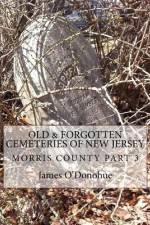
There are ten more amazing graveyards to see in this volume with several of them having soldiers from the Revolutionary and Civil wars. Two of them are very small family burial grounds like The Long-Gordon burial ground, located on a small country road in the Lake Hopatcong area. The second is the Davenport family burial ground which is located in the back yard of a private home in Oak Ridge. There is also the Milton Baptist Church, a small church which has two remaining headstones from the mid 1800's found at the back of the building. The other cemeteries in this issue are located from Oak Ridge to Mount Olive. Most of them are dependent on volunteers to care for the grounds. Without them, the cemeteries would become heavily overgrown leading to damaged headstones and eventually disappearing all together like so many others have.
This work has been selected by scholars as being culturally important, and is part of the knowledge base of civilization as we know it.This work is in the "public domain in the United States of America, and possibly other nations. Within the United States, you may freely copy and distribute this work, as no entity (individual or corporate) has a copyright on the body of the work.Scholars believe, and we concur, that this work is important enough to be preserved, reproduced, and made generally available to the public. We appreciate your support of the preservation process, and thank you for being an important part of keeping this knowledge alive and relevant.
How did America's First Frontier define a new nation? The tales, lore and legends of Western New York history will make you understand why they call it "The Empire State."For too long the nation has dismissed the Greater Western New York region as a mere punchline. 50 Hidden Gems of Greater Western New York is an informative handbook for those who proudly laugh in the face of "wide right," "no goal," and "thirteen seconds." These people, places, and events will elicit laughs, tears, and even raise a few eyebrows.Told in a light-hearted and entertaining manner, the book reveals some of the most delicious underexposed treasures the region offers. These people, places, and events not only help define Greater Western New York, but have often helped define America as well.In 50 Hidden Gems of Greater Western New York, you'll learn the real answers to: A controversial early-American whose actions led directly to the creation of the U.S. Constitution.The region's claim to be the origin of America's favorite fast food (and, no, we're not talking Buffalo Wings).The home of the Grand Canyon of the East.The fascinating story of the mysterious Lost Tribe of Western New York.A Rochester-born woman who holds this Hollywood first - that almost wasn't.The time a small Western New York hamlet seceded from the Union - and its ensuing oversight.The truth behind the story of New York State's smallest town's eerie tragedy.How the bumbling British Monarchy helped mark the borders of Greater Western New York.Don't, however, underestimate the power of this collection of witty stories. Rather than a mere historical review eulogizing the faded glory of what once was, 50 Hidden Gems of Greater Western New York takes you on an expedition celebrating the rich character of America's First Frontier. In doing so, the discerning reader will unearth perhaps the most powerful hidden gem of them all: the key to Greater Western New York's future success.If you like a compelling narrative, the suspense of long-lost mysteries, and the thrill of new evidence uncovered, then you'll love award-winning academic researcher and journalist Christopher Carosa's well studied journeys of exploration, discovery and, yes, mirth, through the forests of time and space that has become the Greater Western New York region.Are you ready to discover the secrets of your own backyard?Buy 50 Hidden Gems of Greater Western New York and delight again in a region that has so many talking proud!
Sometimes history can be more entertaining than fiction..."William Owen II, Knight and 3rd Baronet of Anglesey, fled Wales and immigrated to the colonies in A.D.1650 for fear of being murdered by his cousin, who bribed the English Crown to be named 1st Baronet of Orielton, stealing the title and position from him after the death of William's father".A genealogy of the Owens families of the northern neck of Virginia, from A.D.1960 to 1178 B.C. It all starts in the town of Owens, Virginia with Eustace Conway Owens, then follows the Owens bloodline back to Brutus, the founder and first King of Britain. Three generations and extended family, such as marriages and in-laws, are included in most every chapter. Travel back through time from colonial Virginia in 1650, to medieval Wales, then to Scotland, and finally to the founding of ancient Britain. The first paragraph of each chapter contains the subject's name, other names they were known by, titles, monikers, ranks, and basic personal data when available, i.e., date of birth, place of birth, christening or baptism, date of death, place of death, date of burial, and place of burial. The story or narrative of each person begins with the second paragraph. This usually starts with information regarding the subject's place of birth or marriage with a list of their children. Where available, biographical information is provided for the subject's children, or a short sub-paragraph of available facts. In the case of limited information, the subject's story or narrative may be a short statement giving the reason for the lack of information. It is my hope that you and anyone else interested in the ancestry of America will enjoy these pages, and that it sparks your imagination and interest in researching your family history.
This work has been selected by scholars as being culturally important, and is part of the knowledge base of civilization as we know it.This work is in the "public domain in the United States of America, and possibly other nations. Within the United States, you may freely copy and distribute this work, as no entity (individual or corporate) has a copyright on the body of the work.Scholars believe, and we concur, that this work is important enough to be preserved, reproduced, and made generally available to the public. We appreciate your support of the preservation process, and thank you for being an important part of keeping this knowledge alive and relevant.
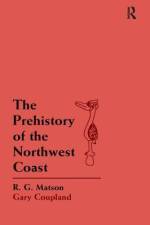
This volume provides a descriptive overview of the cultural complexity on the northwest coast that stretches from northern California to Alaska. Topics covered range from the earliest settlements to the subsequent cultural diversities in Native American populations. Maps, charts, and illustrations further enhance the book's interest and appeal.
This work has been selected by scholars as being culturally important, and is part of the knowledge base of civilization as we know it.This work is in the "public domain in the United States of America, and possibly other nations. Within the United States, you may freely copy and distribute this work, as no entity (individual or corporate) has a copyright on the body of the work.Scholars believe, and we concur, that this work is important enough to be preserved, reproduced, and made generally available to the public. We appreciate your support of the preservation process, and thank you for being an important part of keeping this knowledge alive and relevant.
Gold and fire: for towns from the Gold Rush era, gold built them up and fire tore them down, only for them to finally be forsaken by the mines. This is the story of the Iowa Hill Divide, where only Iowa Hill remains of the many former towns from the Gold Rush. Based on extensive research, this book includes: - Detailed chronology of the Iowa Hill Divide from the Gold Rush to the present day- Analysis of the impact of mining, and thoughts on why the mines declined- Analysis of the Iowa Hill Divide economy during the Gold Rush - Description of the major fires that decimated Iowa Hill- Various demographic analyses- History of the Iowa Hill Road and the Stevens Trail- History of the development of telephone service on the Divide- History of the Iowa Hill Fire Department- Discussion of various aspects of life on the Divide, including shopping, recreation, and medical care, among others- Numerous photographs, some published for the first time, plus maps, graphs, and other illustrations- List of sources Proceeds benefit the Iowa Hill Community Club
This work has been selected by scholars as being culturally important, and is part of the knowledge base of civilization as we know it.This work is in the "public domain in the United States of America, and possibly other nations. Within the United States, you may freely copy and distribute this work, as no entity (individual or corporate) has a copyright on the body of the work.Scholars believe, and we concur, that this work is important enough to be preserved, reproduced, and made generally available to the public. We appreciate your support of the preservation process, and thank you for being an important part of keeping this knowledge alive and relevant.
This work has been selected by scholars as being culturally important, and is part of the knowledge base of civilization as we know it.This work is in the "public domain in the United States of America, and possibly other nations. Within the United States, you may freely copy and distribute this work, as no entity (individual or corporate) has a copyright on the body of the work.Scholars believe, and we concur, that this work is important enough to be preserved, reproduced, and made generally available to the public. We appreciate your support of the preservation process, and thank you for being an important part of keeping this knowledge alive and relevant.
This work has been selected by scholars as being culturally important, and is part of the knowledge base of civilization as we know it.This work is in the "public domain in the United States of America, and possibly other nations. Within the United States, you may freely copy and distribute this work, as no entity (individual or corporate) has a copyright on the body of the work.Scholars believe, and we concur, that this work is important enough to be preserved, reproduced, and made generally available to the public. We appreciate your support of the preservation process, and thank you for being an important part of keeping this knowledge alive and relevant.
This latest addition to the Histories of the Modern Nations series explores the complex and diverse history of the United States from the nation's precolonial origins to the present day. Supported by contemporary historiography, this book highlights America's diverse populations and the myriad struggles over time that many, including millions of Indigenous peoples and African Americans, have historically faced in a country where freedom and opportunity have been promised, but not always delivered, to all Americans. From before the time of Christopher Columbus to the presidencies of Donald J. Trump and Joseph R. Biden, the author introduces readers to the people, events, and ideas that have for more than 2 centuries shaped the story of the USA both at home and abroad.
This work has been selected by scholars as being culturally important, and is part of the knowledge base of civilization as we know it.This work is in the "public domain in the United States of America, and possibly other nations. Within the United States, you may freely copy and distribute this work, as no entity (individual or corporate) has a copyright on the body of the work.Scholars believe, and we concur, that this work is important enough to be preserved, reproduced, and made generally available to the public. We appreciate your support of the preservation process, and thank you for being an important part of keeping this knowledge alive and relevant.
This work has been selected by scholars as being culturally important, and is part of the knowledge base of civilization as we know it.This work is in the "public domain in the United States of America, and possibly other nations. Within the United States, you may freely copy and distribute this work, as no entity (individual or corporate) has a copyright on the body of the work.Scholars believe, and we concur, that this work is important enough to be preserved, reproduced, and made generally available to the public. We appreciate your support of the preservation process, and thank you for being an important part of keeping this knowledge alive and relevant.
The shootout, siege, and fire at Mount Carmel, better known as the Branch Davidian compound, is one of the most debated and misunderstood sagas in modern history. Thirty years later, most people still do not know what really happened even though there have been numerous books, articles, movies, and videos written/produced about the tragedy. Unfortunately, many depictions of the Waco Branch Davidian story lack the comprehensive research needed to sort through the various myths and misconceptions surrounding the actual events. Others are sensationalized accounts representing a single viewpoint that either defends the Branch Davidians or blindly supports the law enforcement actions that occurred. These distorted and confusing narratives leave many wondering what to believe. In reality, the events surrounding Mount Carmel aren't a mystery at all. Ranch Apocalypse is an objective account that has been carefully researched and documented. It begins with a history of the Branch Davidian Church and Vernon Wayne Howell's (aka David Koresh) troubled childhood. The book tells how a high school dropout from a dysfunctional family mesmerized a large group of devoted followers. It continues with the origin of the ATF investigation, the steps of the investigation (including undercover operations), and discusses the factors considered regarding the arrest of David Koresh. Never before heard first-hand accounts from agents that were there (including the author) will put you into the investigation as well in the action of the shootout. Various sources, including hundreds of pages of FBI transcripts and logs, were analyzed to provide a detailed summary of conversations and events that occurred during the siege. The origin and horrors of the deadly fire and the subsequent trial and verdicts are also discussed. These chapters include accounts from one of the first firefighters who arrived on the scene to extinguish the flames and a federal prosecutor who was involved in the investigation and trial. Later chapters address the fallout and aftermath of the events and examine the mistakes and miscalculations made by the government as the crisis unfolded. The last chapters conclude with a discussion of common misconceptions about the tragedy and answer the most-asked questions. Learn the reasoning behind the decisions to serve the search warrant and later to insert CS gas into the compound. Find out who the Davidians were, why they resisted the service of the search warrant, and why they were so determined to remain in the compound. This is the complete story, and as stated in the subtitle, it is also the Untold Story, of the Waco Branch Davidian investigation, shootout, siege, fire, and trial. It includes never before seen photos and never before documented personal accounts from numerous individuals with first-hand knowledge of the events. Additional contributors to the book include a Branch Davidian Pastor and others who had close connections to compound members and David Koresh. The historical information contained in the writing was derived from months of extensive research of numerous credible sources as cited. Other documents utilized include ATF investigative reports, the affidavit for the search warrant, the original operation plan for the search warrant, deed records, autopsy reports, FBI records, transcripts of conversations, activity logs, and lengthy reports of resulting investigations initiated by the Treasury Department, the Department of Justice, and various congressional hearings/investigations that later followed. You will be amazed and shocked while reading about some of the things you didn't know about the tragedy.
Discovering the Past: The Story of Quanah, Texas Volume 1, takes you back to the early days of Quanah. Quanah was a frontier, railroad town filled with interesting tales. In Volume 1, you will find the story of Texas Ranger Captain William J. McDonald hunting down a Quanah banker on the run to Mexico. Captain McDonald's personal banker embezzled from one of Quanah's first banks, and once his story unraveled, he took the first train towards Mexico. In 1891, Quanah was nearly wiped off the map by the Great Flood of 1891. Quanah and the surrounding area received 14 inches of rain in just a few hours. The Quanah cemetery was started when Joe Earle was killed in what may have been the very last Kiowa raid in Texas. With the railroad coming to Quanah and bypassing Margaret, the residents of Quanah, along with the railroad, put a plan together to steal the county seat. These stories, along with others, show the fascinating history of this small town.
Completely transform your prospective on the Midwest, American History, Small Town Politics and So Much More!!! We dive into 21 different sorted tales of champions and cheaters, thieves and heroes, and events you never would have dreamed taking place in a little pioneer prairie town in South Dakota! Did you know the World Record in the 100 yard dash was once set in Sioux Falls, or that on multiple occasions, citizens of Sioux Falls have tried to strong arm the United States Congress into passing, changing, and modifying Federal Laws; how about the fact that nationally renowned bank robbers seem to think Sioux Falls is the perfect town for a quick score! The history of Sioux Falls is full of amazing stories, played out by outstanding individuals, find themselves in unbelievable circumstances! And we chronicle all of them here for your reading pleasure! Find within the covers of this book 21 unique stories from Sioux Falls past that will have you saying... no way... I never knew that... I can't believe it! Author Joshua Sweets, is a local teacher and entrepreneur, obsessed with collecting stories and histories from the area! He has crafted his favorites into an amazing publication that is both easy to read and difficult to put down! This book is a must read for anyone living in Sioux Falls and a strong recommendation for anyone interested in pioneer, Midwest, South Dakota, and frontier history! It's also great for anyone who just enjoys a good story! You won't be disappointed with this one!
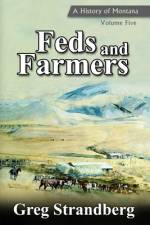
Montana from 1930 to 1960 was a very interesting time. The state had already been suffering economic depression for ten years when the Great Depression hit the nation. Montana suffered just as much as the rest of the country, but it was also rescued by the federal New Deal programs.You'll hear about that in this fifth volume of the state's history, but you'll read about a whole lot more as well. There's farming in the dust, cattle grazing on the creeks, and the ups and downs of organized labor. Learn about flight, the start of radio, and the rise of Big Oil and the CIA. World War II is discussed in detail, as are the state's and the nation's politics. A lot happened in Montana during these years, just like a lot happened in the country. The interstate highway system was built, the international banks rose to prominence, and the Indians' lands were stolen once again. Montana's history in the 1930s, 40s, and 50s is rich, colorful and full of life. Discover what happened, and how it continues to shape our lives today.
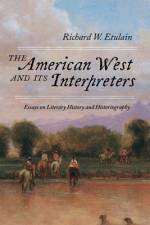
Distinguished historian Richard W. Etulain brings together a generous selection of essays from his sixty-year career as a specialist on the US West in this essential volume. Each essay provides an invaluable overview of the rise of western literary history and historiography--including insightful evaluations of individual historians--revealing summaries of regional literature and discussions of western stories yet to be told. Together these writings furnish readers with useful considerations of important subjects about the American West. All those interested in the American West and its interpreters will find these illuminative moments of literary history and historiography especially appealing.
Abonner på vårt nyhetsbrev og få rabatter og inspirasjon til din neste leseopplevelse.
Ved å abonnere godtar du vår personvernerklæring.