





Gjør som tusenvis av andre bokelskere
Abonner på vårt nyhetsbrev og få rabatter og inspirasjon til din neste leseopplevelse.
Ved å abonnere godtar du vår personvernerklæring.Du kan når som helst melde deg av våre nyhetsbrev.

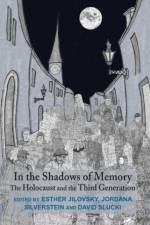
This book is the first of its kind: an exploration of the experiences of the Third Generation--the grandchildren of Holocaust survivors--who have particular relationships to the Holocaust, mediated through their interactions with their parents, grandparents, and communities. The book's editors innovatively combine scholarly work that deals with questions of trauma and its transmission across generations, with autobiographical accounts which incorporate many of the concerns raised by scholars. The contributors include historians, literary and cultural studies scholars, psychologists, and sociologists, together with autobiographical narratives from members of the Third Generation, which illuminate the scholarly research presented. ''At a moment when even the last of the Holocaust survivors will soon no longer be able to speak to us directly, In the Shadows of Memory introduces a diverse third generation of grandchildren, all asking what it means to be part of another 'last' cohort, who still knew and lived among the survivors - with their trauma and their resilience - in ways that the next generation will not grapple with the problematic questions of 'legacy', 'generational transmission', and historical responsibility, providing us with a challenging and pioneering contribution to the future of Holocaust memory.'' --Atina Grossmann, Professor of History, Cooper Union, New York
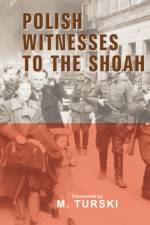
The Warsaw weekly Polityka issued the following appeal to its readers on the fiftieth anniversary of the 1943 Warsaw Ghetto Uprising: "We are asking those of you who still remember the circumstances of the Time of Humiliation to summon up scenes and images from memory. We are appealing to Poles who helped rescue Jews, to Polish witnesses of the persecution of the Jews and of the Holocaust...The aim is to recount events, including those whose narrators would rather forget about them, or never return to them." The people who were born before or during the war and who found themselves on one side or the other of the ghetto wall are the last participants in, and witnesses to, the history of the Jews there. The appeal for recollections of scenes that 'cannot be forgotten' generated 225 submissions, 82 of which are included here. Half a century later, when the eye-witness reports were written - and 66 years later published here in English for the first time - the dilemmas, emotions and doubt
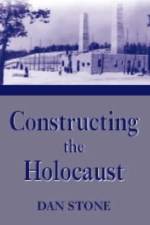
Constructing the Holocaust examines the development of Holocaust historiography in the light of recent critical philosophy of history. It argues that the Holocaust provides both the occasion for, and the ultimate test of, new ways of giving meaning to the past. It also shows that examining our representations of the past is as important as archival
Abonner på vårt nyhetsbrev og få rabatter og inspirasjon til din neste leseopplevelse.
Ved å abonnere godtar du vår personvernerklæring.