
















Gjør som tusenvis av andre bokelskere
Abonner på vårt nyhetsbrev og få rabatter og inspirasjon til din neste leseopplevelse.
Ved å abonnere godtar du vår personvernerklæring.Du kan når som helst melde deg av våre nyhetsbrev.

Prussian leaders, especially Otto von Bismarck, the chancellor and advisor to Prussia's king, believed Prussia could be a united and respected power, but only without the traditional Austrian dominance. At the time, the Austrian empire was a collection of ethnically diverse peoples and had been dominated by a socio-political conservatism that sought to keep the empire ruled in Hapsburg tradition. After Prussia was victorious in the Austro-Prussian War, Bismarck played a waiting game where the unification of Germany was concerned, as the joining of the southern states - initially resistant to Prussian rule, friendly with Austria, and bent on independence - would have to be overcome. What was needed was "a clear case of French aggression" toward either Prussia or the southern states. Not only would such a move by Emperor Napoleon III trigger the terms of the treaty between the German states, but it would keep the remaining world powers out of the conflict. It would be a dispute over the throne of Spain that would cause Napoleon III to act. During a revolution, Queen of Spain Isabella was forced to flee Madrid. Spain was divided over who would rule, and the other European nations had a decided interest in the matter. In the months that followed, Prince Leopold of Hohenzollern was suggested as a fitting heir. His name, as well as many others, circulated amongst the powerful and the influential. Some have suggested Bismarck had orchestrated the naming of Leopold as successor to tie Spain to Germany, but most historians dispute his direct involvement in the matter. Leopold's attractions included the fact that he was "the husband of a Portuguese princess, related both to the royal house of Prussia and to Napoleon III, and with several sons to carry on the line."[3] Though many candidates were considered - including Leopold's younger brother, Charles, who was a ruling Romanian prince - they were deemed unacceptable to some party of influence in heavily fractious Spain, unacceptable to hold such a great power, or they were uninterested. Needless to say, the First World War came at an unfortunate time for those who would fight in it. After an initial period of relatively rapid maneuver during which the German forces pushing through Belgium and the French and British forces attempting to stymie them made an endless series of abortive flanking movements that extended the lines to the sea, a stalemate naturally tended to develop. The infamous trench lines soon snaked across the French and Belgian countryside, creating an essentially futile static slaughterhouse whose sinister memory remains to this day. If trench warfare was an inevitability during the war, it is only because the events leading up to the First Battle of the Marne were quite different. The armies at the beginning of the war moved quickly through the land, but the First Battle of the Marne devolved into a bloody pitched battle that led to the construction of trenches after the Germans retreated, blocked in their pursuit of Paris. When the aftermath disintegrated into a war between trenches, some Germans thought they had the upper hand since they were occupying French territory, but with fewer soldiers than the combined Allied nations and fewer resources and supplies, it was possibly only a matter of time before they were ultimately defeated. The commander of the German armies, General Helmuth von Moltke, allegedly said to Kaiser Wilhelm II immediately after the First Battle of the Marne, "Your Majesty, we have lost the war."
Teaching Guide for the documentary: Untold, Stories of a Word War II Liberator. Based on Deborah Levine's memoirs: The Liberator's Daughter and The Magic Marble Tree, it includes letters with eye witness accounts."Untold: Stories of a World War II Liberator proves that there are always new truths to learn and new heroes to celebrate when studying the horrors of the Holocaust. This work is arriving at a critical time; as the voices of survivors and liberators pass, those who teach history are confronted with increasingly loud cries of distortion and denial. A resource such as Untold allows students to both learn about and humanize the Holocaust." Dr. Rich Quinlan: Director, Holocaust and Genocide Education CenterChair, History Dept./Saint Elizabeth University"Deborah Levine's work continues to be of utmost importance for students of all ages. The specific story of 'UNTOLD' must be told today and forever, so that the words 'Never Again' never lose their meaning!" Avi Hoffman: CEO, Yiddishkayt Initiative, Inc. "Many liberators such as Levine's father kept their experience largely secret So the publication is an important resource for Holocaust education and research...and a very readable introduction to the journey of the Jewish community over the past century" The Rev. Dr. John T.Pawlikowski: Founding member of the US Holocaust Center, Prof of Social Ethics/Catholic Theological Union
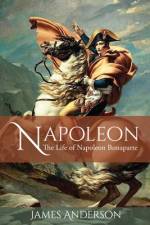
In this book, you'll discover a brief story of the truth behind the life of Napoleon Bonaparte, even if you're not a history buff or a fan of biographies. An entertaining introduction you can use to discover the host of reference books available on the man and his achievements. Plus, you'll also learn how to appreciate the complexities of historical figures; understand the socio-political climate of the late 18th and early 19th century Europe; delve into the psyche of one of history's most controversial leaders; unravel the mysteries surrounding his rise and fall; and get a fresh perspective on world history. This unique approach combines meticulous research with engaging storytelling, providing a more immersive and enjoyable experience than traditional historical texts. Written specifically for those who are curious about history, intrigued by power dynamics or simply love a good story, this entertaining and informative must-read guide offers an in-depth look at Napoleon's life and his unique approach to leadership. Discover side benefits like improving your understanding of human nature, gaining insights into strategy and leadership, and enhancing your knowledge about European history. This book is written in a positive, friendly style that will captivate you from start to finish. It promises an exciting move through time that will leave you with a newfound appreciation for one of history's most influential figures. Using simple language that anyone can understand, it paints vivid pictures of Napoleon's life that will intrigue and inspire. No fancy words or cliches here - just an engaging tale told in short paragraphs that make for easy reading for any age. I hope you enjoy reading and learning about Napoleon as much as I did writing this.
Thousands of war crimes were committed during World War 2. Every country likely had some incidents that involved war crimes whether it was something as serious as an illegal execution or denying a prisoner of war the opportunity to send a postcard home. Japan in particular had some very heinous war crime incidents. In this book, using over 5,600 words, we provide you with a look at 101 different incidents of alleged war crimes by the people of the Japanese Empire.
This book aims to address a neglected field of research by providing evidence-based insights into how contemporary visitors of different national and generational background, especially those of Polish and Jewish descent, experience and reflect on their visits, or on living in the proximity of different sites of memory across Poland, including former concentration and death camps, ghetto sites, and other physical sites such as museums with a connection to the Holocaust.
In the annals of military history, few battles shine as brightly as the Battle of Cannae, a pivotal clash that unfolded on the ancient plains of Apulia. As the dust of centuries settles, the echoes of this confrontation between the forces of Carthage and Rome still resonate, and the very language of warfare finds its roots in the strategies employed on that fateful day.Welcome to "Cannae Chronicles: Unraveling the Lexicon of Warfare," a unique journey into the heart of one of history's most renowned battles, where the art of war and the nuances of the English language converge. This book is not merely a historical account but a linguistic odyssey, where every chapter unveils a tapestry of words woven into the fabric of military strategy.As we delve into the pages of history, we will explore the rich vocabulary that encapsulates the brilliance of commanders, the twists of tactics, and the resilience displayed on the battlefield. From "encirclement" to "guerrilla warfare," each term carries with it the weight of centuries, and through the lens of Cannae, we dissect their meanings and significance.Prepare to navigate the linguistic landscape of war, where words are not just symbols but gateways to understanding the complexities of conflict. "Cannae Chronicles" invites you to join this linguistic expedition, unraveling the lexicon of warfare that continues to shape our understanding of strategic brilliance and military prowess.Whether you are an English language learner, a history buff, or an ardent admirer of the art of war, this book promises a riveting exploration of vocabulary as we unravel the secrets hidden within the strategies and maneuvers of the Battle of Cannae. Together, let us embark on a journey through time, where the echoes of clashing swords are mirrored in the words that define the essence of warfare.
Dial 0-3 for Operator is a candid description of one Marines experiences and thoughts on the War on Terror as he saw it from the ground during his two deployments to Iraq. Lessons learned, as well as fictionalized experiences derived from his time overseas are interspersed between poetic verse. There are no punches pulled. There are no safe spaces within the pages. There is no concern for the readers feelings. This is one Marines views on his nations war against violent Jihadist terrorists told in the same manner he learned the lessons provided. Hard and fast with copious swearing.
Avvertimento. 18+Questo libro è la storia vera di una famiglia ucraina e allo stesso tempo una testimonianza scritta del trattamento crudele dei civili ucraini da parte del personale militare russo per la Corte dell'Aia . Non c'è finzione nel libro, ogni parola è il nostro sangue, che abbiamo pagato per il diritto di parlare degli eventi reali che abbiamo dovuto affrontare.Devo immediatamente avvertirvi che il libro contiene scene di tortura e violenza commesse dall'esercito russo contro questa famiglia, così come contro altri civili ucraini catturati. Questi eventi, queste parole, questo dolore e tutte queste morti non possono essere semplicemente cancellati o pennellati come in un dipinto, affinché tutto sulla tela bianca sia "bello e ordinato". Questa è una storia vera con una descrizione dettagliata degli eventi reali vissuti dall'autore del libro, questa è una vera storia di vita, che non ha il diritto di essere abbellita, un mezzo per rimuovere e non descrivere completamente le azioni umane , in modo che il libro sembra più "pulito" e senza crudeltà . Ma facendo questo con il testo, cambiamo contemporaneamente la realtà e facciamo sembrare i crimini commessi dal personale militare russo meno crudeli e non quelli che erano realmente.Questa è la storia vera della mia famiglia, dalla quale è impossibile togliere e cancellare tutte queste scene terribili. Perché tu capisci, questi eventi della vita delle vittime torturate non verranno mai cancellati. Tutte le vittime sopravvissute dei russi rimarranno con cicatrici sui loro corpi e nelle loro anime. Il pacifico popolo ucraino , che non ha mai fatto nulla di male a nessuno, non potrà mai più dormire sonni tranquilli, immergendosi ogni giorno nell'incubo dei ricordi delle torture vissute, che emergeranno in ogni sogno, e delle tracce della crudeltà disumana di i russi rimarranno sulla loro pelle per sempre. Inoltre, queste atrocità non possono essere cancellate dalla storia della guerra della Russia contro l'Ucraina, dagli abusi dei russi contro i civili ucraini.Questo libro è l'ennesima prova per condannare la Russia, Putin e tutti i criminali colpevoli presso il Tribunale dell'Aia. Non sono riuscito a cancellare una sola riga da questo libro. Non ero in grado di distorcere la vera verità e ammorbidire la realtà . Dopotutto , questo è tutto vero. E chi ha bisogno di bugie? Solo i russi hanno bisogno di ammorbidire i fatti sui crimini commessi. E le persone in tutto il pianeta dovrebbero sapere cosa hanno fatto i russi in Ucraina e capire cos'è una vera guerra.
Aviso. 18+Este livro é a história real de uma famÃlia ucraniana e ao mesmo tempo um testemunho escrito e testemunho do tratamento cruel de civis ucranianos por militares russos para o Tribunal de Haia . Não há ficção no livro, cada palavra é o nosso sangue, que pagamos pelo direito de falar sobre os acontecimentos reais que tivemos que passar.Devo avisar imediatamente que o livro contém cenas de tortura e violência cometidas pelos militares russos contra esta famÃlia, bem como contra outros civis ucranianos capturados. Estes acontecimentos, estas palavras, esta dor e todas estas mortes não podem ser simplesmente riscadas ou apagadas como numa pintura, para que tudo na tela branca seja "bonito e ordenado". Esta é uma história real com uma descrição detalhada dos acontecimentos reais vividos pelo autor do livro, esta é uma história real de vida, que não tem o direito de ser embelezada, um meio de remover e não descrever completamente as ações humanas , para que o livro parece mais "limpo" e sem crueldade. Mas ao fazer isto com texto, estamos simultaneamente a mudar a realidade e a fazer com que os crimes cometidos pelos militares russos pareçam menos cruéis, e não o que realmente foram.Esta é a história real da minha famÃlia, da qual é impossÃvel tirar e apagar todas essas cenas terrÃveis. Porque você entende, esses acontecimentos da vida das vÃtimas torturadas nunca serão apagados. Todas as vÃtimas sobreviventes dos russos permanecerão com cicatrizes em seus corpos e almas. O pacÃfico povo ucraniano , que nunca fez mal a ninguém, nunca mais poderá dormir em paz, mergulhando todos os dias no pesadelo das memórias da tortura que sofreu, que emergirá em cada sonho, e nos vestÃgios da crueldade desumana de os russos permanecerão na pele para sempre. Além disso, estas atrocidades não podem ser apagadas da história da guerra da Rússia contra a Ucrânia, dos abusos dos russos contra civis ucranianos.Este livro é mais uma prova para condenar a Rússia, Putin e todos os criminosos culpados no Tribunal de Haia. Não consegui excluir uma única linha deste livro. Não fui capaz de distorcer a verdade real e suavizar a realidade. Afinal , tudo isso é verdade. E quem precisa de mentiras? Somente os russos precisam de fatos suavizados sobre os crimes cometidos. E as pessoas de todo o planeta deveriam saber o que os russos fizeram na Ucrânia e compreender o que é uma guerra real.
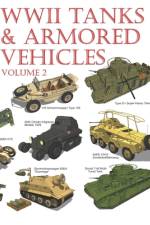
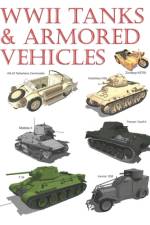
WWII Tanks & Armored Vehicles - Volume 2This book is a compendium of tanks and armored vehicles from world war two - Allies and Axis. Unfortunately there are so many I want to include that I have to split it into a couple volumes. I did throw in a few vehicles that though they were not armored, they did play a major role in the fighting.These vehicles are included: M35 Mittlerer PanzerwagenArmored Draisine Tatra T18Landsverk L-62 Anti II Anti-Aircraft Char 2C Super-Heavy Tank AMC Schneider P 16 Citroën Traction AvantPanzerkampfwagen 38(t) Tank Destroyer Jagdpanzer 38 "Hetzer" Tank Destroyer Panzerkampfwagen II Ausf. L "Luchs" Light Tank Sd.Kfz 8 Sonderkraftfahrzeug 8 (1935-45 Daimler Benz) Sturmpanzer II "Bison" Assault Gun Sd.Kfz 124 "Wespe" Self-Propelled Gun Sd.Kfz 165 "Hummel" Self-Propelled Gun Sd.Kfz. 166 Sturmpanzer IV "Brummbär" Support Gun Sd.Kfz 173 Jagdpanther Tank Destroyer Sd.Kfz 184 Panzerjäger Tiger (P) "Elefant" Heavy Tank Destroyer Sd.Kfz 222 Leichter Panzerspähwagen Light ARV Sd.Kfz 231 Schwerer Panzerspähwagen Heavy ARV Sd.Kfz 232 Schwerer Panzerspähwagen Radio VehicleSd.Kfz 234/4 Sonderkraftfahrzeug 234 Armored Car Sd.Kfz 250 Sonderkraftfahrzeug 250 Armored Half-Track Sd.Kfz 251 Sonderkraftfahrzeug 251 Half-Track Sd.Kfz 254 Armored Scout Car Sd.Kfz 265 Kleiner Panzerbefehlswagen Command TankSd.Kfz 300 Minenräumwagen B I Mine Clearing VehicleSd.Kfz 303a Leichter Ladungsträger "Goliat" DemolitionSd.Kfz 304 Mittlerer Ladungsträger Springer Demolition Schwerer Ladungsträger Borgward B IV Demolition BMW R75 Motorcycle with Sidecar Volkswagen "Schwimmwagen" Amphibious CarSelbstfahrlafette "Sturer Emil" Self-Propelled Gun Sturmmörserwagen 606/4 "Sturmtiger" Assault Gun Flakzwilling auf Panther Fahrgestell Anti-Aircraft Gun Flakpanzer IV "Wirbelwind" Anti-Aircraft Gun Flakpanzer IV "Kugelblitz" Anti-Aircraft Gun Mercedes L3000 3-Ton Truck Panzerkampfwagen VIII "Maus" Super-Heavy Tank Steyr Kfz.31 Ambulance Tank, Cruiser, Mk VIII, Cromwell Tank, Infantry, Churchill Mk. VII Churchill Crocodile Tank Churchill MK IV S.B.G. Assault Bridge Daimler Armored Car Rolls-Royce Armored Car Tank, Cruiser, Challenger (A30) Tank, Cruiser Mk VI, Crusader 43M Turán III Medium Tank 44M Zrinyi I Assault Gun/Tank Destroyer 42M Toldi II páncélvadász Light Tank Carro Veloce CV-35 Tanqueta Carro Armato L6/40 Light Tank Type 3 Medium Tank Chi-Nu 三式中戦車 チヌ Type 91 Prototype Heavy Tank O-I Prototype Super-Heavy Tank 7TP Light Tank BA-11 Armored Car BT-7 Cavalry Tank T-18 Light Tank T-27 Tankette T-35 Multi-Turret Heavy TankT-38 Amphibious Scout Tank T-40 Amphibious Scout Tank T-44 Medium Tank T-50 Light Infantry Tank T-60 Scout Tank T-70 Light Tank IS-2 Heavy Tank IS-3 Heavy Tank Katyusha Rocket Artillery Light Tank, M1 M20 Armored Utility Car Landing Vehicle Tracked (LVT) 2 "Water Buffalo" Landing Vehicle Tracked (LVT) A - 4 Tank 105 mm Howitzer Motor Carriage M7 "Priest" Check out my other titles at USGOVPUB.COM
Pearl Harbor War: Untold Stories From the Home Front by Diana Barnett brings to light the untold stories of those affected by the attack on Pearl Harbor from the safety of home.Through personal stories of those who served and those who stayed back home, you will gain an insight of how the individual experienced the attack and subsequent war effort. As you read this book, you will discover what life was like back home during the war and gain a better understanding of how the wartime experience changed the lives of those surrounding you. You will also benefit from an accurate and unbiased perspective on the events from the home front. Whether you are seeking a deeper connection with the stories of the Pearl Harbor attack, or desire to uncover the truth behind the events of that day, Pearl Harbor War: Untold Stories From the Home Front can be your guide.
Naval combat underwent a significant metamorphosis during World War II. Nazi Germany and Imperial Japan launched some of the most powerful battleships ever to sail the world's oceans, yet the conflict witnessed the emergence and triumph of the aircraft carrier as the 20th century's true monarch of the seas. Submarine warfare expanded and developed, while aircraft technology and doctrine experienced several revolutionary changes due to the unforgiving demands of the new combat environment. Popular accounts of World War II frequently focus on the dominance of German panzers over the more lightly armored, lightly armed tanks of the Soviets, British, and Americans, or the superb fighting skills of the Waffen SS and ordinary Wehrmacht soldiers. Germany's land forces enjoyed an undoubted advantage over their enemies thanks to excellent vehicle technology, while German soldiers slaughtered vast numbers of Soviet conscripts and proved formidable opponents even to their better-trained English and American counterparts. However, the Axis failed to secure either the seas or the skies, and their defeat in these theaters ultimately led to their doom. Many highly advanced aircraft designs languished on the drawing boards of Junkers and Messerschmitt engineers, left undeveloped due to high command disinterest or simple lack of resources. The most advanced fighters developed by Nazi Germany and Imperial Japan were equaled or outmatched by such aircraft as the U.S. F6F Hellcat (which achieved kill ratios of between 13 to 1 and 19 to 1 against Japanese "Zero" fighters) or P-51 Mustang. America, with its vast productive resources and immense manufacturing capacity, single-handedly supplied the materiel that saved Britain and the Soviet Union from defeat. It did so by controlling the sea lanes and eventually ending much of the threat of U-boat attack, supplying England and Russia with staggering quantities of food, weapons, raw materials, trucks, tanks, aircraft, prefabricated buildings, boots, ammunition, medicines, and even entire locomotives and sets of railway rolling stock. Over 50% of the Soviet Union's entire wartime supply base, from food and clothing to weapons and vehicles, came directly from the United States. In time, the American and British navies progressively destroyed their Axis counterparts, ensuring clear sea lanes, high strategic mobility for seaborne invasions, and large-scale air support that eventually battered the Axis armies into submission. Just as the Luftwaffe paralyzed Poland's defenders in 1939 with air superiority, so the Allies' mastery of naval and aerial warfare turned the tables to paralyze the Nazis and Japanese: "The fate of Germany and Japan was sealed [...] by the many-layered application of Anglo-American air and sea power. The totality of this pressure [...] eventually choked off Axis mobility. [...] Air and sea power could operate throughout the productive process, not only to affect the battlefield, but to determine how much and what kinds of military equipment were produced and deployed." (O'Brien, 2015, 480). Indeed, the "ultimate weapon" of World War II proved to be not a powerful tank or a specific type of aircraft, but a gigantic piece of military hardware combining the newly augmented power of both air and naval operations, the aircraft carrier. Every diverse element of the military machine had a crucial role to play, but the aircraft carrier stood head and shoulders above any other single system as the key to victory in the mid 1940s.
Nel cuore dell'Eurasia, tra vasti territori e paesaggi mozzafiato, si snoda la storia millenaria di una nazione che ha plasmato la storia del mondo contemporaneo: la Russia. Dal momento in cui le tribù slave si sono unite sotto il vessillo di Kiev, nel cuore dell'attuale Ucraina, alla maestosa epoca degli zar, attraverso le sfide e le trasformazioni della Rivoluzione d'ottobre, fino alle complesse dinamiche del periodo sovietico e oltre, questo libro si propone di catturare l'essenza della Russia e di far rivivere le epoche che l'hanno definita. Nel corso di questo viaggio attraverso il tempo, esploreremo le pagine di una storia intessute di tradizioni, guerre, rivoluzioni e progressi culturali, fino all'invasione russa dell'Ucraina del 24 febbraio 2022.
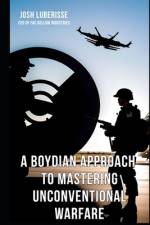
A Boydian Approach to Mastering Unconventional Warfare" is a seminal work that delves deeply into the strategic principles of John Boyd, a legendary military strategist, and applies them to the complex realm of unconventional warfare. This book presents a comprehensive analysis of Boyd's key concepts, most notably the OODA Loop (Observe, Orient, Decide, Act), and explores their application in the context of irregular and asymmetric conflicts that dominate the modern geopolitical landscape. The author meticulously explores how Boyd's principles of adaptability, speed, and fluidity in decision-making can be applied to unconventional warfare tactics such as guerrilla warfare, insurgency, counterinsurgency, and cyber warfare. The book emphasizes the importance of understanding the psychological and moral dimensions of warfare, in addition to the physical aspect, a concept Boyd championed and which remains highly relevant in today's conflict scenarios. Through a blend of historical analysis, case studies, and contemporary examples, "A Boydian Approach to Mastering Unconventional Warfare" offers insightful strategies for dealing with non-traditional threats in a rapidly evolving global context. It addresses the challenges of combating non-state actors, the use of technology in irregular warfare, and the need for innovative and adaptive strategies in response to the unpredictable nature of modern conflicts. This book is not only a tribute to Boyd's groundbreaking work but also an essential guide for military strategists, policymakers, and security professionals who are grappling with the complexities of contemporary warfare. It provides a nuanced understanding of how unconventional warfare strategies can be developed and executed effectively, making it a crucial addition to the field of military strategy and national security studies
Bronski's Storm is an action-adventure story where Donnell, the son, and Sahara, his childhood admirer, follow in the footsteps of their parents and Donnell almost kills his mother.Donnell loves Sahara and wins her heart while playing Santa Claus for her daughter.Donnell and O.C. McDonald discover a U.S. government official is selling top-secret information to Cuban intelligence agents in Central America. Note from the editor: "This is an interesting and adventurous read! I find the language simple tograsp. You also did well by creating an engaging plot and articulating yourvast experience in war, love, and family. Your commitment to professionalethics, standards of practices, and family has been profound, and I believereaders would find your piece very impactful."Jessie Raymond (UK)
In January 1968, Sir Harold Adrian Russell 'Kim' Philby KCMG CBE, chief of the SIS retired after serving the Crown for twenty-seven years. He was also a spy of Soviet intelligence- the infamous NKVD and its successor the KGB. On May 11, 1988, Philby died peacefully in his cottage in Surrey, England. His obituaries in national papers read: 'A suave and charming patrician figure leading successfully British intelligence in the Cold War'; 'a man who outmaneuvered his Whitehall rivals and avoided scandals'. This is a counterfactual history for the eyes of the specialist reader of the history of British counterintelligence. We reconstruct key events and episodes taking into consideration that since 1951 Philby was at the helm of the SIS. Weekly he briefed the prime minister and, influenced foreign intelligence and strategy to the advantage of the security interests of Moscow.Note: This monograph requires prior knowledge of British counterintelligence history. about the author: James Henderson devotes his time in archives and, feels bookson intelligence and secret services have to be intelligence products.He adores reading research monographs and PhD theses. Indeed the research passion ofearly career researchers/academics boosts historical knowledge, especially on intelligence/espionage.While writing this monograph he had been listining to 'Philby' (1979) by Rory Gallagher.
The U.S. Army 7708 War Crimes Group investigated atrocities committed in Germany and Nazi-occupied Europe during World War II. These young Americans--many barely out of their teens--gathered evidence, interviewed witnesses, apprehended suspects and prosecuted defendants at trials held at Dachau. Their work often put them in harm's way--some suspects facing arrest preferred to shoot it out. The War Crimes Group successfully prosecuted the perpetrators of the Malmedy Massacre, in which 84 American prisoners of war were shot by their German captors; and Waffen-SS commando Otto Skorzeny, aptly described as "the most dangerous man in Europe." Operation Paperclip, however, placed some war criminals--scientists and engineers recruited by the U.S. government--beyond their reach. From the ruins of the Third Reich arose a Nazi underground that preyed on Americans, especially members of the Group.
This is a Marine infantryman's combat memoir from the Invasion of Iraq to the Battle of Fallujah. It chronicles firsthand accounts of war while serving with the most combat-deployed Marine Corps battalion of the Iraq War, the 3rd Battalion, 4th Marines. Initially trained as an infantry platoon radio operator and then as a team leader with a scout/sniper platoon, Brian Van Gorden portrays the battles that took place in a complex war and the hardships experienced from repeated combat deployments.
The fifth, final, book in the 'Navypedia. Fighting ships of the world since 1990' series contains information about ships, vessels and boats of the navies and paramilitary maritime organizations of 16 countries (in alphabetical order from Uganda to Zimbabwe) that were in service, under construction or ordered from 1990 to 2023. The fifth volume contains 578 articles on the classes of ships, containing information on the dates of construction, commissioning and decommissioning, performance characteristics, modernizations, and other information that allows you to get information in a compressed form about the combat qualities of ships and the composition of the navies in the period under review. The illustrations for the articles contain 426 side views on 1:1250 and 1:625 scales. Additional information is provided on the composition of aviation and marines, bases, and the activity of the navies in question.
A compact and basic wargame ruleset for World War II tabletop miniatures for any scale of figures*. Leon's third ruleset fits between his simpler Fast Rules and much more complex Tractics. For 2024, there are many updated features from the first edition, more tank listings, and clarifications in a smaller 6x9" format. 76 Pages, including 22 Pages of Rules, 18 Pages of Game Reference Charts, 36 Pages of Advanced Rules, a Detailed Table of Contents, an Index, etc. More included than many contemporary games where one must buy numerous supplements.Table of Contents Initial PreparationsTurn SequenceMovement CapabilitiesTypes of Movement & ModifiersTable of Basic Movement CapabilitiesTank & Anti-tank WeaponsHit-Miss ProcedureDamage Evaluation ProceduresVehicle CharacteristicsWeapon Characteristics, PenetrationInfantry WeaponsAutomatic & Non-Automatic WeaponsDamage to Weapons & VehiclesInfantry Fire ModifiersWeapon CharacteristicsHand & Rifle GrenadesMelee Hand-to-Hand CombatMelee ModifiersOutcomesMorale After Losses or Under StressWhen to Check Morale & ResultsMorale ModifiersArtillery WeaponsTarget Designation & Time DelaysHit-Miss ProcedureDamage Evaluation ProceduresWeapon CharacteristicsDetection of Concealed UnitsDesignation of Scanned AreasBasic Detection CapabilitiesDetection Procedure Appendices: (pages 51-72Further Rules and GuidelinesHistorical BackgroundArmored VehiclesCrew-served WeaponsArtilleryStructuresInfantryEntrenchmentsSpecial WeaponsDemolitionsInfantry Anti-tankRecoilless RiflesAPDS, APCR, & Squeeze-Bore RoundsRocketsWhite PhosphorusArtillery Fire Close to Friendly PositionsNight ActionsMinefieldsParatroop DropsAir StrikesClosing ThoughtsHandling Procedures EfficientlyUsing Ordinary DiceScales of RepresentationUsing 15mm FiguresCompetition GamingCampaign GamingOutdoor GamingPost WWII GamingTroop Quality ClarificationTeam Fire VariantIndex (pages 74-76)*Figures may be based individually or using the included Team Fire Variant, as an Infantry Team of about five figures or Squads of about ten figures. Most players use individual field guns and vehicles, but one could have a "sabot" stand of a platoon of vehicles (ideally magnetized so that one can remove knocked-out vehicles).
Attention: Step into the pages of history with a compelling exploration of National Socialism and the rise of Adolf Hitler. Chapter 1 unfolds the origins of Nazism, setting the stage for a gripping narrative that dives into the intricate details of Hitler's ascent and the dark shadows cast by the Holocaust.Interest: Embark on a journey through Hitler's early life, from his aspirations as an artist in Austria to his pivotal role in World War I. Uncover the roots of his unwavering loyalty to Germany, marked by bravery and eventual resentment fueled by the aftermath of war and the Treaty of Versailles.Desire: Witness Hitler's meteoric rise within the Nazi Party, fueled by eloquence and strategic maneuvers. The narrative captures the pivotal moment of the Munich march, Hitler's arrest, and his transformative imprisonment, where he pens "Mein Kampf," amplifying his influence and ideological exposure.Action: As the narrative progresses, discover the ideological foundations of Nazism, delving into the disturbing beliefs that fueled the persecution of Jews and the burning of books.
A true short story of the experiences of a German soldier and his family before, during and after WWII. With personal photos from the war.
A la fin de l'année 1943, plusieurs barges de débarquement de la marine allemande sont transformées en porte-artillerie et affectées au début de l'année suivante à une unité nouvellement créée: la 6ème Flottille de porte Artillerie. Composée de 11 bâtiments, elle est affectée dans plusieurs ports de la baie de Seine et assure l'escorte de convois côtiers. Pour des raisons pratiques, 4 bâtiments se trouvent détachés sur la côte est du Cotentin. Nommés Groupe KARL du nom de son chef l'Enseigne de vaisseau de 1ère classe OTTO KARL. De Saint-Vaast la Hougue aux Iles Anglo-Normandes en passant par Cherbourg et Saint-Malo, le Groupe est de tous les combats face aux unités aériennes et navales Alliées débarquant en France. Cet ouvrage couvrira la période de juin à août 1944, les opérations de cette unité après cette date, comme l'opération contre Granville ayant été déjà largement traité.
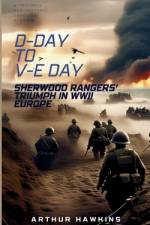
Embark on a thrilling odyssey through "D-Day to V-E Day: Sherwood Rangers' Triumph in WWII Europe" by the esteemed military historian, Arthur Hawkins. Within these pages, Hawkins unravels the riveting tale of the Sherwood Rangers, a legendary tank unit that etched its indelible mark on World War II. Feel the pulse of history as Hawkins recounts the Rangers' evolution from cavalry to mechanized warriors. Join them as they spearhead the Normandy landings on June 6, 1944, charging through the chaos of D-Day and leading the way across France into Germany. Hawkins introduces you to the unsung heroes - Commanding Officer Stanley Christopherson, squadron commander John Semken, and Sergeant George Dring - weaving their stories into the rich tapestry of wartime triumph. Inspired by the spirit of "Band of Brothers," this uniquely intimate portrait goes beyond battles, inviting you into the lives of individual Rangers through personal accounts and artifacts. Hawkins seamlessly blends daring exploits with fresh analyses, revealing the North African campaign's notable achievements and the Rangers' indomitable spirit in Normandy and beyond. "D-Day to V-E Day" is not just a historical account; it's a journey where Arthur Hawkins invites you to witness unsung heroes, feel the heartbeat of battle, and immerse yourself in the triumph that echoes through the ages. Every page resonates with courage, camaraderie, and the indomitable spirit of those who led the way across Europe. Get ready for history to come alive in this immersive tale of triumph!
"Napoleon Bonaparte's Greatest Battles" takes readers on a vivid exploration of the most significant military conflicts led by one of history's most celebrated commanders. This story is a concentrated account, emphasising conflicts in which Napoleon played a pivotal role. Therefore, this document focuses solely on the conflicts in which Napoleon personally participated, excluding theatres of war such as Spain and Portugal.This book continues the path set by my previous publication, "Napoleon: The Greatest Commander in History," in which we thoroughly examined the complete life and era of Napoleon Bonaparte. Although the work covers several elements of his life, such as his political tactics and ground-breaking contributions to military strategy, governance, and politics, the current edition focuses solely on narrower topics. Our focus narrows down to the battlefield, providing a sequential depiction of Napoleon's military battles, culminating in the renowned Battle of Waterloo in 1815. Choosing these fights was comparable to manoeuvring over a vast expanse of historical importance, with each conflict representing a significant event in Napoleon's military trajectory. The selected conflicts are not simply ordinary clashes; they represent crucial moments that provide a profound insight into Napoleon's strategic intellect and the tactical strategies that frequently astonished his opponents. Although there may be differing opinions on the chosen battles, each one featured is an essential component in comprehending Napoleon's military heritage. This book is designed for the modern reader-specifically, young individuals who are curious and have a strong desire for information. The story is designed to be straightforward, captivating, and educational, acknowledging the fact that modern readers are more perceptive and adept at absorbing information. The primary emphasis is consistently placed on military affairs, offering a lucid and succinct narrative of every battle, including specific dates and strategic particulars, but abstaining from exploring the intricacies of Napoleon's political or personal life. As we progress through these pages, starting with Napoleon's early victories that solidified his reputation as a powerful military commander and culminating in his last battle at Waterloo, the reader is given the opportunity to see the progression of military history from the perspective of one of its most significant leaders. I hope that this exploration of Napoleon Bonaparte's most significant battles not only educates but also captivates the curiosity of individuals interested in comprehending the strategy of warfare through the acts of its most skilled exponent.
WWII Tanks & Armored Vehicles - Volume 1This book is a compendium of tanks and armored vehicles from world war two - Allies and Axis. Unfortunately there are so many I want to include that I have to split it into a couple volumes. I did throw in a few vehicles that though they were not armored, they did play a major role in the fighting.These vehicles are included: Table of ContentsLancia 1ZML3/35 Carro Veloce CV-35Nahuel DL 43Renault ACG-1Panzer 39(t)BA-10 Armored CarChar B-1Char D-2FCM-36 Light Infantry TankRenault FT-17 TankHotchkiss H39Renault R35Renault UE ChenilletteSOMUA S35GERMANYPanzerspähwagen SdKfz 234/2Sturmpanzer I Bison Self-propelled GunPanzerjäger IPanzer 35(t)Panzer I Ausf APanzer I Ausf BPanzer IIPanzer IIIPanzer IVPanzer V ("Panther")Panzer VI ("Tiger I")Tiger II ("King Tiger")Sturmgeschütz III (StuG III)Jagdpanzer IVMarder ISonderkraftfahrzeug 251 Half-TrackLeichter Panzerspähwagen Sd.Kfz. 222Sd.Kfz. 247 (Ausf. A)Sd.Kfz. 247 (Ausf. B)Mercedes-Benz W31 type G4 Staff CarVolkswagen Type 82 KübelwagenZündapp KS750 sv Motorcycle and SidecarMörser Karl Siege MortarKleines Kettenkraftrad HK 101Vickers Mk E "Six tonner"Infantry Tank Mark II "Matilda"Carden-Loyd Universal CarrierMorris Light Reconnaissance CarSemovente 47/32 Self-Propelled GunSemovente da 75/18 Self-Propelled GunCarro Armato M13/40AS - 42 Sahariana Camionetta (SPA Viberti)Fiat L6/40 - Light TankType 95 Ha-Gō Light TankType 97 Chi-Ha Medium TankTK-3 TanketteMarmon-Herrington Mk Armored CarSOVIET UNIONISU-152 Heavy Self-Propelled Artillery UnitSU-76 Light Self-Propelled GunSU-85 Tank DestroyerBT TankKliment Voroshilov (KV) TanksT-34 Medium TankT37A Amphibious Light TankG-503 Willys MB (Jeep Medic Version)Medium Tank, M3 "Lee"M3A1 Half TrackMedium Tank, M4 "Sherman"Light Tank, M5 "Stuart"M8 Light Armored Car "Greyhound"M16 Multiple Gun Motor Carriage76 mm Gun Motor Carriage M18 "Hellcat"Light Tank (Airborne), M22 "Locust"Light Tank, M24 "Chaffee"Heavy Tank/Medium Tank M26 "Pershing"90 mm Gun Motor Carriage, M36Harley-Davidson Half-TrackGMC CCKW 353 Bofors 40 mm Check out my other titles at USGOVPUB.COM
The year is 1943. The Pacific War rages from the Gulf of Bengal to the Solomon Islands and from China to Hawaii. Many battles have been fought, and the Japanese Empire has reached the high tide of its conquest phase. The Allied counter-offensive is now about to begin. The Japanese operation in the South Seas, supposed to destroy the Allied presence in New Guinea and the Solomon Islands, has not reached its objective. A month into the powerful offensive, the battle's outcome remains in the balance. As the Imperial Navy and Army's supplies wanes down and their casualties mount, the Allies finally stopped their advances in the Kokoda Track and Milne Bay. A naval victory has also been achieved, and now the entire theater is ripe for MacArthur's and Admiral Spruance's counter-offensive. The Imperial Army faces a major disaster in Burma as Indian and Chinese forces bear down on it. The Japanese units are suffering from supply and reinforcement issues, and it will take a miracle to turn the situation around before the Empire loses all of Burma. Grand Admiral Yamamoto has moved a large chunk of the Imperial Navy to Johnson Islands, a base a little over one thousand kilometers from Hawaii, in order to avoid the relentless American bombing raids on Pearl Harbor. The Japanese can no longer support a fleet in Hawaii but still need to stay close to prevent the enemy from landing back in forces in the archipelago and retaking the islands. Losing Oahu would be a major disaster for the Japanese defensive perimeter and a major boost to American offensive capabilities in the central Pacific, unhinging everything. Yamamoto is thus resolved to face off with the getting-larger-by-the-day American fleet building up in San Diego. This is the story of the Pacific War.
Banks Meacher: I am, what I am.I am the son of an American doctor father and a Chinese-British nurse mother.I am the values instilled in me by my parents.I am a believer in my Lord Jesus Christ.I am a speaker of two great languages.I am the instructions my teachers taught.I am the displaced caused by war.I am a volunteer to serve my father's country.I am the captive of my enemy.I am the strength my Lord has given me.I am the restorer of freedom from oppression.I am the love of home, family, and country. Note from the Editor: As always, your storytelling prowess shines as you effortlessly guide readers through the intricate tapestry of life in the times through Robert and his son, Banks' experiences.The vivid depictions of Robert and Mary's sea voyage and Banks' trials during the Korean War create spellbinding prose and maintain an engaging pace throughout the narrative. At its core, this book is a compelling tale of family, identity, and triumph over insurmountable odds. It brings history to life while exploring the profound themes of resilience and legacy. Great work.Jessie Raymond (UK)
By April of 1776, talk had heated up concerning independence, and a consensus was quickly growing in Congress. However, one problem was in the way: did the Congress have the authority to declare independence for its 13 member colonies? The process was riddled with confusion across the colonies. Some, such as North Carolina, had sent explicit instructions to their Congressional delegation to support Independence, suggesting Congress has the authority. Others, such as Rhode Island and New Hampshire, declared independence directly and unilaterally, suggesting individual colonies had the authority. Elsewhere, in Massachusetts and New York, even individual towns and cities sent declarations of independence to King George III. The royal mailbox was packed with letters declaring colonial independence. During the summer of 1776, John Adams, Samuel Adams and others arguing for a formal break with Britain convinced their fellow Congressmen that the time had come to formalize their break from Britain. John, along with Thomas Jefferson, Benjamin Franklin, Roger Sherman and Robert Livingston, were appointed to draft the announcement informing Britain of their intentions. Together they completed the rough draft of the preamble on May. The committee then wanted John Adams to complete the document, but he felt that Jefferson was a better writer. Ultimately the two men worked together to create Declaration of Independence in late June, with Adams providing much of the legal insight and Jefferson the prose. Of course, simply declaring independence did not mean the British were going to grant it, and during that time, things were looking quite dire for the cause. After the siege of Boston forced the British to evacuate that city in March 1776, Continental Army commander George Washington suspected that the British would move by sea to New York City, the next logical target in an attempt to end a colonial insurrection. He thus rushed his army south to defend the city.Washington guessed correctly, but it would be to no avail. Unlike Boston, New York City's terrain featured few defensible positions. The city lacked a high point from which to launch a siege, as the peninsula of Boston was fortunate to have. Moreover, Washington wasn't sure defending the city was necessary, hoping that an expedition launched toward Quebec like the one Benedict Arnold had led in late 1775 would keep the British away from New York anyway. However, Congress thought otherwise, and demanded that Washington defend New York. Washington thus did what he was told, and it nearly resulted in the army's demise. In the summer of 1776, the British conducted the largest amphibious expedition in North America's history at the time, landing over 20,000 troops on Long Island. British General William Howe, who had led the British at Bunker Hill and would later become commander in chief of the armies in North America, easily captured Staten Island, which Washington was incapable of defending without a proper navy. Washington's army attempted to fight, but Washington was badly outmaneuvered, and his army was nearly cut off from escape. The withdrawal across New York City was enormously disorderly, with many of Washington's troops so scared that they deserted. Others were sick as a result of the dysentery and smallpox plaguing the Continental Army in New York. In what was arguably the worst defeat of the Revolution, Washington was ashamed, and he also felt betrayed, by both his troops and Congress. By the early months of 1777, the colonists were in dire straits and the British were plotting a campaign in the coming months to put down the revolution once and for all.
Uncover the Man Behind the Myth: Napoleon Bonaparte: A Life of Conquest and Military Brilliance from Corsican to French David I. Wood digs into Napoleon Bonaparte's amazing life in this riveting biography, exposing the man behind the mythology. As a young Corsican, he rose to become one of history's most accomplished military leaders, conquering great swaths of Europe and changing the course of history.Dive into Napoleon's realm and discover: Exploration of Napoleon's revolutionary tactics, strategic brilliance, and leadership that transformed combat.His intriguing personality: Uncover the multifaceted character driven by ambition, vision, and a never-ending quest for power.The long-term impact of his reign: Consider the significant impact Napoleon's conquests and reforms had on Europe, influencing the political environment we witness today.This book is more than a biography; it is an exciting journey across Napoleonic Europe. It's a story of ambition, leadership, and a man who dared to transform the world.If you're interested in history, military strategy, or simply a compelling account about a larger-than-life man, Napoleon Bonaparte: A Life of Conquest and Military Brilliance is a must-read.Get your book now and start on an incredible voyage inside Napoleon's fascinating life!
Abonner på vårt nyhetsbrev og få rabatter og inspirasjon til din neste leseopplevelse.
Ved å abonnere godtar du vår personvernerklæring.