


Gjør som tusenvis av andre bokelskere
Abonner på vårt nyhetsbrev og få rabatter og inspirasjon til din neste leseopplevelse.
Ved å abonnere godtar du vår personvernerklæring.Du kan når som helst melde deg av våre nyhetsbrev.

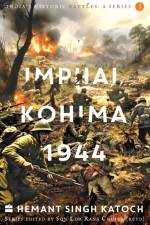
In April 2013, Imphal-Kohima was named ''Britain''s Greatest Battle'' by the UK''s National Army Museum. Indians fought on both sides--as part of the British Army and alongside the Japanese as soldiers of the Indian National Army (INA).
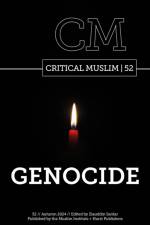
Today, genocide has almost entirely lost its meaning. Either its occurrence is denied into oblivion, or its frequency allows it to fall on stone-deaf ears in a world on fire. As our newsfeeds inundate us with the agony of the Palestinians, the Rohingyas, the Uighurs and a seemingly endless list of minority, marginalised communities, where does one draw the line? Even the UN Convention on Genocide has its own murky past. While endless committees and talking heads get lost in the technicalities, we experience global numbness in the face of others' suffering, and genocide becomes no more than a word whose definition can be negotiated. This issue of Critical Muslim asks: can we learn the lessons demanded by our past; and can we find a new, open approach to this destructive devastation, for the sake of all our futures?About Critical Muslim: A quarterly publication of ideas and issues showcasing groundbreaking thinking on Islam and what it means to be a Muslim in a rapidly changing, interconnected world. Each edition centers on a discrete theme, and contributions include reportage, academic analysis, cultural commentary, photography, poetry, and book reviews.
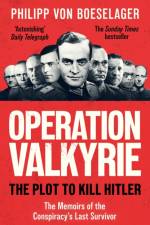
The last member of Operation Valkyrie - the daring 1944 plot to assassinate Hitler - tells his remarkable story. 'Astonishing' Daily Telegraph
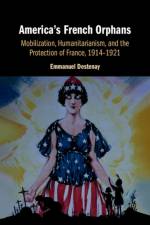
This unique study explores American support of destitute French children during and after World War I. It will interest scholars and students of World War I, humanitarianism, American society, childhood, and women's studies.
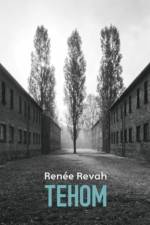
Photographs frame the narrative of a painful journey from Thessaloniki to Auschwitz: the loss of Renée Revah's family in the concentration camp. She promises her grandfather, the sole family member to avoid this fate, that 'Tehom' (biblical Hebrew for 'abyss') will bring him to the scene of the crime, which he had not found the strength to visit.
Photographs frame the narrative of a painful journey from Thessaloniki to Auschwitz: the loss of Renée Revah's family in the concentration camp. She promises her grandfather, the sole family member to avoid this fate, that 'Tehom' (biblical Hebrew for 'abyss') will bring him to the scene of the crime, which he had not found the strength to visit.
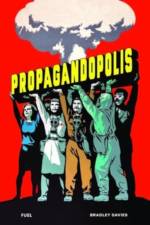
This vivid and fascinating collection of propaganda spans over a century - a visual feast illustrating how persuasion, manipulation and fear were used to influence populations around the world. Do you know what propaganda looks like? A mural showing Saddam Hussein on horseback. A colossal cut-out of Benito Mussolini mounted on Milan Cathedral. A film of North Korea's Kim Jong Un parading an intercontinental ballistic missile. A Pakistani newspaper advertisement calling for 'Jehad' (sic). A soldier firing condoms from his gun in a Ugandan AIDS awareness and prevention campaign. A traditional Azerbaijani rug celebrating the achievements of Soviet space travel, with portraits of Gagarin, Tereshkova (and of course Lenin). Juxtaposing material from conflicting ideologies, Propagadopolis presents the broadest range of shocking, unusual and visually arresting images, encompassing all regions and eras of the modern age to demonstrate how propaganda has been wielded to evoke emotions, rally support or instill fear - to leave an indelible mark on the collective consciousness. Extended captions explain the fascinating stories behind this material, contextualising the strategies used by governments, agencies and individuals seeking to influence, deceive and demoralise through the use of propaganda. Containing many previously unpublished examples and with an enlightening introduction from Robert Peckham, author of Fear: An Alternative History of the World (2023), Propagandopolis is an essential visual guide to the enduring potency of the most pervasive, manipulative and persuading images of our time.
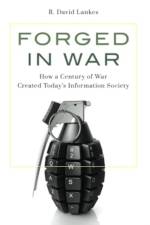
"[I]deal for readers seeking a more comprehensive look at information dissemination technology, its context, and its impact on the way in which we now live." Library Journal, Starred Review ¿ Explore how the tools of our information age grew directly out of conflicts from World War I to the present day.
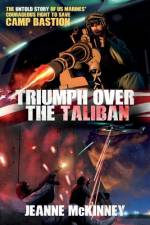
Three days after the September 11, 2012, attack on the U.S. diplomatic compound in Benghazi, Libya, another attack occurred on a massive forward operating base called Camp Bastion in Helmand Province, Afghanistan, home to U.S. and U.K. expeditionary forces. Why didn't we hear about this? Still reeling from the embarrassment of Benghazi, the attack on Bastion was covered up and misrepresented by U.S. officials in the interest of saving face during a mandated drawdown of troops. Further, Bastion was touted to be "impregnable" by the British, who built the base, but U.S. Marines and British soldiers would find out otherwise when the Taliban launched a surprise attack the night of September 14th, 2012. Sadly, blame for the deadly incursion was pinned on two American generals by other U.S. and British top military who turned their backs, rather than giving recognition to 3rd MAW aviation Marines who picked up rifles and fought valiantly. Finally, Triumph Over the Taliban reveals the true story of what really happened at Camp Bastion on that fateful night. With nine years of research into the Battle along with one-on-one interviews with key Marine warfighters, award-winning military journalist, Jeanne McKinney, paints a vivid picture of this gripping saga. McKinney shares intimate life and death moments of fighting the Taliban on the ground and in the air-describing how Marines saved civilian contractors, each other, and over $5 billion in aircraft and equipment. With keen investigative prowess, she also reveals the behind-the-scenes politics that led to Bastion being breached in the first place as well as the post-attack coverups that resulted in the unjust dismissal of two highly respected generals. Most importantly, you'll meet the U.S. Marine heroes who fought with valor, grit, and exceptional skill. This is their remarkable story!
Sometimes the only way to do right is to do wrong. Sometimes the only way to change the rules is to break them. Sometimes the only way to save lives is to disrupt them. These are true stories of people who broke the rules to protect the ones they loved.
El Cuerpo de Marines de los Estados Unidos ha luchado por Dios, la patria y las bananasEste libro trata sobre las guerras bananeras que tuvieron lugar entre el final de la guerra hispano-estadounidense en 1898 y la PolÃtica de buena vecindad de Franklin Roosevelt en 1934. Podrá ver cómo y por qué los marines estadounidenses invadieron Panamá, Nicaragua, Honduras, Guatemala, Cuba, HaitÃ, México y República Dominicana. También aprenderá sobre la ocupación en Cuba, Haità y República Dominicana.Verá por qué las bananas se convirtieron en un producto tan importante y la combinación de tecnologÃas que hizo esto posible. Aprenderá cómo se persuadió al público estadounidense para que comprara todos esas bananas. Verá cómo la United Fruit Company logró construir una empresa altamente eficiente y poderosa como para derrocar a presidentes y dictadores.Descubrirá cómo la posesión de California llevó inevitablemente a considerar al Caribe y América Central como vitales para la seguridad nacional estadounidense.Aprenderá sobre un episodio de la famosa novela del novelista colombiano Gabriel GarcÃa Márquez.Descubriremos la historia del acorazado USS Oregon que circunnavegó América del Sur en un viaje de 12 000 millas y sesenta dÃas para unirse a la flota atlántica al estallar la guerra hispano-estadounidense, y cómo ese viaje épico afectó el diseño del canal de Panamá.Leerá sobre la crisis de 1903 que llevó a los buques de guerra alemanes, británicos e italianos a bloquear Venezuela y a Teddy Roosevelt a enmendar la Doctrina Monroe.Con este libro, también descubrirá lo siguiente: Una enmienda de un senador estadounidense a un oscuro texto legislativo que controló el destino de Cuba durante una generación.El tipo de banana involucrada en la historia que se ha extinguido.Los alemanes que planeaban conquistar una isla cerca de Puerto Rico y usarla para atacar a los Estados Unidos.Un mayor general de los Marines de Estados Unidos que escribió un libro sobre ser un gángster para el capitalismo.El propietario de una corporación bananera que mantenÃa soldados mercenarios como Molony "ametralladora" en la nómina en caso de que necesitara derrocar a un gobierno que no cooperaba.Un almirante de la Marina estadounidense ofendido que casi comienza una guerra con México.Un dictador mexicano derrotado que conspiró con espÃas alemanes para mantener a los Estados Unidos fuera de la Primera Guerra Mundial.Si desea aprender más sobre las guerras bananeras, desplácese hacia arriba y haga clic en el botón "añadir al carrito".
La guerra que casi perdimos: Cómo estuvimos a punto de perder la Segunda Guerra Mundial En "La guerra que casi perdimos", el autor explica cuán mal preparados estábamos para la guerra en 1941. Discute las áreas en las que podrÃamos haberlo hecho mucho mejor y cómo la responsabilidad podrÃa haber sido compartida por muchos polÃticos y lÃderes militares. El autor escribe sobre errores y meteduras de pata, asà como movimientos brillantes realizados durante la guerra por ambos bandos que nos permitieron ganar, pero que casi nos cuestan la victoria. Una mejor planificación y ejecución por parte de los paÃses del Eje podrÃan haber tenido efectos desastrosos en los Aliados. Pero al final, a través de un buen diseño, golpes de suerte y malas decisiones tomadas por nuestros enemigos, nos recuperamos y salimos adelante en la terrible guerra con colores voladores liderados por la "Generación más grande" de todos los tiempos. Arthur A. Edwards fue un oficial naval y veterano del conflicto de Corea que creció en el norte de California durante la depresión y la Segunda Guerra Mundial. Estudió la guerra en la Universidad de California, Berkeley, y tiene una biblioteca llena de libros de historia. Desciende de una larga lÃnea de veteranos; dos de sus bisabuelos sirvieron en el Ejército de la Unión durante la Guerra Civil, un abuelo que intentó alistarse en la Guerra Hispano-Americana y un padre que sirvió en la Marina dos veces, una justo cuando terminó la Primera Guerra Mundial, y otra en la Segunda Guerra Mundial. Arthur se graduó en ingenierÃa mecánica en Cal Berkeley, y trabajó en la industria aeroespacial construyendo satélites meteorológicos y de comunicaciones. Cada vez que trae a casa otro libro sobre la Segunda Guerra Mundial, su esposa pregunta, "¿Hay algo que no sepas sobre la guerra?"
This book, the third in a series on forgotten battles, challenges some of the most sacred myths taught in American schools. One is the concept that the US Constitution was conceived by idealists for the public good. New research, however, shows that most of the Founding Fathers were strongly motivated by their own financial self-interest and a desire to suppress highly democratic state legislatures that had provided relief to citizens facing taxes that were triple the rate charged under British rule.Turning Points also presents a fresh perspective on Indian tribes in Ohio and Indiana, who defeated two American armies sent to deny their claims to land that had been told was theirs forever. Modern archaeological research redefined the scope of a battle on the Ohio/Indiana line that represented the high water mark for Indian power in America.Another chapter upends the way the story of the Pacific air war has always been told. Douglas Smock focuses on the role of the aircraft engineers and the amazing, rapid conversion of a General Motors assembly plant in Newark, New Jersey, to a factory that produced twenty-four redesigned Wildcat naval fighters a day. Another narrative flips the typical Civil War storytelling on its head by looking at the experiences of one battery of one hundred Maine farm boys and laborers. A fifth chapter reexamines the myth of Teddy Roosevelt and the Spanish-American War.Each story represents a turning point in American history.
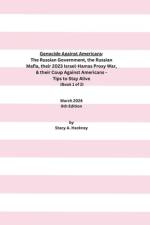
This book details the Russian Mafia's genocide and coup against the American people and my determination to oust them from my country and out of the lives of my people.
This book details how the Russian Mafia's undeclared war, a genocide-coup they've named Active Measures appears on the ground to ordinary civilians living in America, and discusses how the Russian Mafia intends to seize control of our nation by placing one of their puppets into our Presidency and then forcing millions of enslaved Americans to demand that the puppet install a new government, one the Russian Mafia will control. Americans will ensure this coup attempt fails.
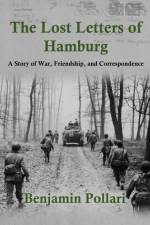
"Yesterday, we picked up one of your CARE packages again. The joy was just as great as the first time. Many longing and jealous eyes followed our way as we carried your package radiantly home through the streets of Hamburg." In February of 1947, the German port city of Hamburg was in disarray. Citizens struggled to feed themselves from meager rations offered by the Western Allies, and increasing winter cold threatened to freeze families living among bombed-out ruins. Black markets flourished as Germans sought to supplement their meager diets with illegal goods, many often trading a quantity of cigarettes for a single loaf of bread. Thus, when 22-year-old Jutta Christoph received a package containing a bounty of cured meats, dried vegetables, and candy from her American friend Richard, her gratitude was unending.The Lost Letters of Hamburg features a 40-letter collection of post-WWII correspondence between Richard and Jutta, including full-resolution scans of the original letters and a German-to-English translation. The letters contain a fascinating glimpse into life in post-war Germany and the rapidly intensifying Cold War. Richard's WWII service as a combat engineer is also described in full detail, including his unit's heroic actions during the Battle of the Bulge and his prohibited first meeting with Jutta in the forests of Central Germany.In 2023, their story was painstakingly pieced together from correspondence, archival research, diary excerpts, and dusty artifacts miraculously saved from the landfill in 1997.It is a tale of a long-lasting friendship that was almost lost forever.
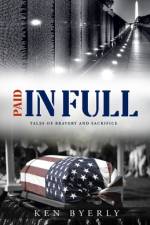
Step back in time to an era when the nation was torn asunder by conflict, and the unforgiving Vietnam War exacted a toll too heavy for the human spirit to bear. In this compelling narrative, you'll be introduced to eight exceptional graduates of Pennsylvania Military College, men whose stories have defied the test of time.These remarkable individuals epitomize bravery, heroism, and honor, embodying these values as a way of life, not just empty words. In the pages of this book, you'll encounter their gripping tales, discovering their unwavering commitment to a nation they held dear. Yet, it was in the crucible of Vietnam that their mettle was truly tested.The heavy price of war took lives prematurely and left dreams unfulfilled, but their legacy endures, a testament to the indomitable spirit. These heroes have left behind more than just memories; they've left families, friends, and a brotherhood bound by experiences that transcend time.As a Vietnam Veteran and an alumnus of PMC, the author intimately understands that the sacrifices of these eight heroes must never fade into obscurity. It is time to shine a beacon on their courage, valor, and unwavering commitment to comrades, God, and country. Their legacy, and that of the Pennsylvania Military College, remains steadfast, a living tribute to the values that define genuine heroes. Step into their world, and let their stories inspire and enlighten.
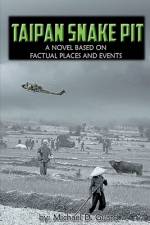
TAIPAN SNAKE PIT discloses the tribulations of the Vietnam helicopter war, and provides deeply moving insight into the lives of those crewman who routinely flew combat assault missions. Written in narrative non-fiction, the book reveals the rarely told account of air to ground combat exposed for the first time to their mortality. In 1969 sex, drugs, and rock-n-roll dominated most of these young lives, but they stood and fought hard believing they were doing the right thing irrespective of politics, and public opinion.Setting the backdrop is the 135th Assault Helicopter Unit, a fighting contingency made up of Royal Australian Navy personnel and members of the United States Army. As the only multi-national experimental military unit in Vietnam, they maintained the highest order of discipline and wrought devastation of the Viet Cong in South Vietnam's delta region.With a year long adventure before him, the protagonist, MITCHELL COLLINS reflects on his desire to fly in the machines he was trained to repair. Almost immediately he is transformed into an aerial combatant of the unit's elite Taipan platoon flying helicopter gunships. Their mission is to protect the troop transport choppers carrying ground forces into the fight. Once the troops are in the landing zone, the Taipan's provided gun support and reconnaissance. His experience were unlike other combatants who fought on the ground, the intensity and frequency of actions were multiplied by their mobility. Mitchell soon contemplates on his heartfelt emotion of the carnage and of losing comrades. In the last three month's he fly's the night missions of the hunter/killers", and his chances for survival dwindle.
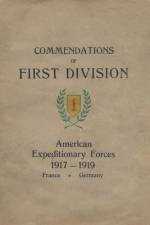
This wonderful full color reproduction is authentic to the 1919 original. Featured are 55 pages of information on the unit from its history to it compositional units and men. This book is a wonderful plethora of information on the First Infantry Division. You will not be disappointed!
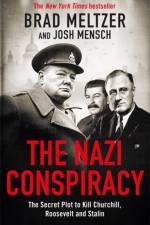
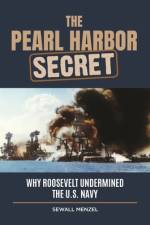
This book provides a penetrating look into Franklin D. Roosevelt's strategy to bait Adolf Hitler into declaring war on America in order to defeat Germany militarily, thus preventing the Nazis from developing the atomic bomb. In late 1939, President Roosevelt learned that Hitler was attempting to develop an atomic bomb to use against the United States. The president responded by directing his own scientific community to develop an atomic bomb and began making plans to go to war with Germany. However, he was hampered by public opinion, with 80 percent of the American people against U.S. involvement in another ground war in Europe. Roosevelt seized an opportunity in 1940, when Japan and Nazi Germany formed a military alliance. To bait Germany into war, FDR shut down Japan's war-making economy, prompting Tokyo to attack Pearl Harbor. A few days later, Hitler declared war on America. Using declassified documents, this book shows how Pearl Harbor was not about Japan; it was about the United States going to war with Germany. It reveals how the U.S. Navy's intelligence gathering system could break virtually any Japanese naval code, but Admiral Husband E. Kimmel, the commander of the U.S. Pacific Fleet, was kept in the dark about the impending Pearl Harbor attack by his own government.
In mezzo alle devastazioni della Seconda Guerra Mondiale, due giovani si incontrano e si innamorano. Ma il loro amore è proibito e pericoloso: lei è una ballerina ebrea, lui un fante tedesco. Condannati fin dall'inizio, nonostante le difficoltà e i rischi, non possono resistere all'attrazione reciproca e intraprendono una battaglia impossibile per essere insieme. Travolti dagli eventi storici, dovranno affrontare scelte difficili e sacrifici inimmaginabili per proteggere il loro amore. Questa storia epica è un tributo alla forza e al coraggio dell'amore, nonché una riflessione sulla resilienza umana in tempi di estrema avversità . "La ballerina e il fante" è una storia drammatica e intensa che vi farà battere forte il cuore.
Abonner på vårt nyhetsbrev og få rabatter og inspirasjon til din neste leseopplevelse.
Ved å abonnere godtar du vår personvernerklæring.