






Gjør som tusenvis av andre bokelskere
Abonner på vårt nyhetsbrev og få rabatter og inspirasjon til din neste leseopplevelse.
Ved å abonnere godtar du vår personvernerklæring.Du kan når som helst melde deg av våre nyhetsbrev.

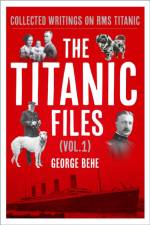
A unique collection of trivia, information, theories and thoughts compiled over a lifetime studying RMS Titanic
The first part of the book is a straightforward account of the author's personal experiences. The second part is a detailed treatise on the customs of the Tupinambá, their polity, trade, religion, manufactures and warlike undertakings.
The supreme, heroic yet paradoxical medieval German emperor Frederick Barbarossa.
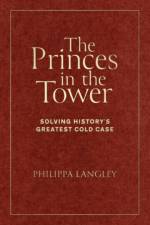
Not to be missed, Philippa Langley and her international team untangle a 500-year-old mystery to reveal the fate of the Princes of the Tower.
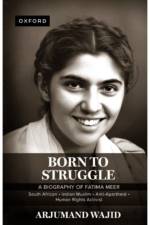
Fatima Meer (1928-2010), a key figure in South Africa's Liberation Movement, remains less recognized globally despite her impactful role. A distinguished academic, prolific writer, and political activist, she tirelessly advocated for social justice and human rights. Close friend to Nelson Mandela, she authored his biography. Despite adversity, including apartheid bans and imprisonment, her independent spirit left a profound mark on South Africa's history. Her story is vital for future generations.
From every county in Ireland, meet women who made a real difference to the world we live in today. From creative craftswomen to singing sensations, poets to sporting champions, patriots, scientists and more, the stories of amazing women from our history are too often neglected and forgotten.
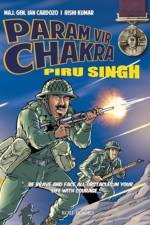
The Indo-Pak War 1947-48 Operations in Tithwal-Battle of Darapari after the threat to Srinagar was removed, the Indian forces concentrated in the URI Sector and prepared to launch operations to evict the Pakistani aggressors from the valley.
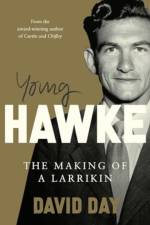
From Rhodes Scholar to union leader to political powerhouse: how Bobbie became Bob, the iconic PM. The new biography from award-winning historian David Day sheds fresh light on the formative years of Australia's most charismatic leader, who became a political legend. David Day's biography of the young Bob Hawke takes readers on a journey, from his humble beginnings as the often-neglected son of religious zealots on the South Australian frontier to his wild ways at a succession of universities and his eventual rise as the country's most powerful union leader. Day provides a new perspective on a larrikin who was known for his overweening self-confidence and charm. A skilled negotiator with a drive to bring Australians together, he would go on to become our most popular and accomplished prime minister. Drawing on a decade of extensive research and interviews with those who knew Hawke best, this ground-breaking biography by an acclaimed writer reveals how Hawke's difficult childhood shaped him into someone who was also known for his uncontrollable bouts of anger and notorious for his alcoholism, obsessive womanising and close links with some of Australia's more shadowy characters. This gripping biography is a must-read for anyone interested in the first fifty years of Bob Hawke, our last truly colourful political leader. 'David Day's biography ... brings fascinating new dimension to this complex and deeply flawed man ... [a] fascinating, elegantly written account' Guardian
A country at war is very different from one at peace, a range of social changes quickly emerge. Men are conscripted into the armed forces and are replaced by women. The economy is rebalanced towards defence, and towards the production of war materials. Food and all basic commodities are controlled, and their consumption is rationed. The national culture changes. The second World War which engulfed the UK and indeed many other countries had all these features, and much is known about the political, social and economic changes of those years in the UK from the adult perspective. Less is known about their effect upon children, and children's perception of the times. So how did youngsters adapt to the outbreak of war in September 1939, and what did they make of all the changes? Which were the most significant for them and what attitudes and activities continued as before? The author of this brief account was seven years old in 1939, and with his younger brother lived through the war years in London. The book provides vivid descriptions of life in wartime London as experienced by these two young South London boys, with their fears and excitements, their mischief, and what they made of the changing social environment.
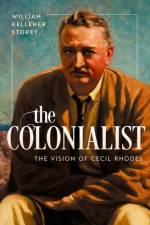
Mining magnate, politician, and imperialist, Cecil Rhodes had a larger-than-life impact on the development of Southern Africa and the extension of British imperial power. This critical biography of Rhodes elaborates his life and times, showing how his racist politics impacted mining, industry, transportation, warfare, and society, while discussing his controversial and enduring legacies.
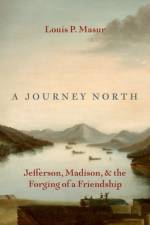
The story of a road trip undertaken in early summer 1791 through upstate New York and New England by Thomas Jefferson and James Madison. A Journey North opens a window onto the post-revolutionary landscape, illuminating the origins of the remarkable bond between two founding figures--one that endured for fifty years and remains one of the most consequential and significant friendships in American political history.
In this pacy and colourful new book, seasoned political journalists Tim Ross and Rachel Wearmouth use new interviews and candid private accounts from key players to take the reader behind the scenes of one of the strangest but most consequential elections in recent history.
The Madness of Courage describes how, shot down behind French lines, Group Captain Gilbert Insall ignored intensive German shelling in order to repair his aircraft overnight and return to base.
Abonner på vårt nyhetsbrev og få rabatter og inspirasjon til din neste leseopplevelse.
Ved å abonnere godtar du vår personvernerklæring.