






















Gjør som tusenvis av andre bokelskere
Abonner på vårt nyhetsbrev og få rabatter og inspirasjon til din neste leseopplevelse.
Ved å abonnere godtar du vår personvernerklæring.Du kan når som helst melde deg av våre nyhetsbrev.

This work has been selected by scholars as being culturally important, and is part of the knowledge base of civilization as we know it. This work was reproduced from the original artifact, and remains as true to the original work as possible. Therefore, you will see the original copyright references, library stamps (as most of these works have been housed in our most important libraries around the world), and other notations in the work.This work is in the public domain in the United States of America, and possibly other nations. Within the United States, you may freely copy and distribute this work, as no entity (individual or corporate) has a copyright on the body of the work.As a reproduction of a historical artifact, this work may contain missing or blurred pages, poor pictures, errant marks, etc. Scholars believe, and we concur, that this work is important enough to be preserved, reproduced, and made generally available to the public. We appreciate your support of the preservation process, and thank you for being an important part of keeping this knowledge alive and relevant.
This work has been selected by scholars as being culturally important, and is part of the knowledge base of civilization as we know it. This work was reproduced from the original artifact, and remains as true to the original work as possible. Therefore, you will see the original copyright references, library stamps (as most of these works have been housed in our most important libraries around the world), and other notations in the work.This work is in the public domain in the United States of America, and possibly other nations. Within the United States, you may freely copy and distribute this work, as no entity (individual or corporate) has a copyright on the body of the work.As a reproduction of a historical artifact, this work may contain missing or blurred pages, poor pictures, errant marks, etc. Scholars believe, and we concur, that this work is important enough to be preserved, reproduced, and made generally available to the public. We appreciate your support of the preservation process, and thank you for being an important part of keeping this knowledge alive and relevant.
This work has been selected by scholars as being culturally important, and is part of the knowledge base of civilization as we know it. This work was reproduced from the original artifact, and remains as true to the original work as possible. Therefore, you will see the original copyright references, library stamps (as most of these works have been housed in our most important libraries around the world), and other notations in the work.This work is in the public domain in the United States of America, and possibly other nations. Within the United States, you may freely copy and distribute this work, as no entity (individual or corporate) has a copyright on the body of the work.As a reproduction of a historical artifact, this work may contain missing or blurred pages, poor pictures, errant marks, etc. Scholars believe, and we concur, that this work is important enough to be preserved, reproduced, and made generally available to the public. We appreciate your support of the preservation process, and thank you for being an important part of keeping this knowledge alive and relevant.
In this insightful and engaging guide, acclaimed critic Elizabeth Drew offers a rigorous analysis of fifteen classic English novels, from Jane Austen's Pride and Prejudice to James Joyce's Ulysses. Drawing on her deep knowledge of the literary canon, Drew provides fresh insights into these timeless works of fiction.This work has been selected by scholars as being culturally important, and is part of the knowledge base of civilization as we know it.This work is in the "public domain in the United States of America, and possibly other nations. Within the United States, you may freely copy and distribute this work, as no entity (individual or corporate) has a copyright on the body of the work.Scholars believe, and we concur, that this work is important enough to be preserved, reproduced, and made generally available to the public. We appreciate your support of the preservation process, and thank you for being an important part of keeping this knowledge alive and relevant.
This work has been selected by scholars as being culturally important, and is part of the knowledge base of civilization as we know it. This work was reproduced from the original artifact, and remains as true to the original work as possible. Therefore, you will see the original copyright references, library stamps (as most of these works have been housed in our most important libraries around the world), and other notations in the work.This work is in the public domain in the United States of America, and possibly other nations. Within the United States, you may freely copy and distribute this work, as no entity (individual or corporate) has a copyright on the body of the work.As a reproduction of a historical artifact, this work may contain missing or blurred pages, poor pictures, errant marks, etc. Scholars believe, and we concur, that this work is important enough to be preserved, reproduced, and made generally available to the public. We appreciate your support of the preservation process, and thank you for being an important part of keeping this knowledge alive and relevant.
This book is an authoritative text on Hindu law of inheritance. It provides valuable insights into the Madras school of Hindu law, which is an important milestone in the development of Hindu law. The book is an essential resource for anyone interested in Hindu law or legal history in India.This work has been selected by scholars as being culturally important, and is part of the knowledge base of civilization as we know it.This work is in the "public domain in the United States of America, and possibly other nations. Within the United States, you may freely copy and distribute this work, as no entity (individual or corporate) has a copyright on the body of the work.Scholars believe, and we concur, that this work is important enough to be preserved, reproduced, and made generally available to the public. We appreciate your support of the preservation process, and thank you for being an important part of keeping this knowledge alive and relevant.
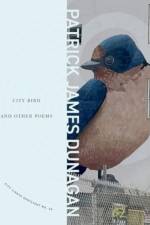
An underground denizen of San Francisco soars above it in a state-of-the-art long poem. Over a decade ago, Patrick James Dunagan stoically refused to be published in the Spotlight series, citing his desire to maintain critical independence as a prolific reviewer of contemporary poetry. Finally, he has been prevailed upon to turn over a manuscript, City Bird and Other Poems. Defying the media narrative of the city's demise, the poems of City Bird celebrate the joys of San Francisco, invoking artists like Joan Brown and Jay DeFeo, poets like Bill Berkson and Lew Welch, and local landmarks like O'Farrell Street, St. Anne of the Sunset, and Thrasher magazine, all the while foregrounding Dunagan's lightly worn erudition. But the book stands on its lengthy title poem, a tour de force combining composition and collage, filtered through the poet's laid-back lyricism. Unapologetically literary with its understated formal imperatives, City Bird is at once a self-referential poetics, examining itself unfolding, and a stream-of-consciousness narrative of Hugh, the nominal protagonist, seemingly engaged in eating a sandwich. Proustian in its sweep, even as it courts a ludicrous Beckett-like minimalism, the poem takes sidelong glances at our contemporary political malaise, while contemplating consciousness itself. If Ashbery had written "The Skaters" about skateboarders, it might have come out very like City Bird. A major achievement in contemporary American poetry, City Bird further confirms Dunagan's reputation as the best-kept secret of San Francisco. "Nothing is left unseen, including present memories years before with friends, or a dramatic monologue through recent readership, receiving everyone's voices into a huge collage . . . City Bird is all this and more. A meditation and intense easy stroll through a poet's city and all the things that make up a gorgeous life within it, listening and living."-Micah Ballard, author of Waifs and Strays
In Mobilities and Cosmopolitanisms, Anna-Leena Toivanen combines mobilities research, postcolonial literary studies, and theories of cosmopolitanism to explore the representations and often complex intertwinements of different mobility practices and cosmopolitanisms in contemporary Franco- and Anglophone African and Afrodiasporic literary texts.
This work has been selected by scholars as being culturally important, and is part of the knowledge base of civilization as we know it. This work was reproduced from the original artifact, and remains as true to the original work as possible. Therefore, you will see the original copyright references, library stamps (as most of these works have been housed in our most important libraries around the world), and other notations in the work. This work is in the public domain in the United States of America, and possibly other nations. Within the United States, you may freely copy and distribute this work, as no entity (individual or corporate) has a copyright on the body of the work.As a reproduction of a historical artifact, this work may contain missing or blurred pages, poor pictures, errant marks, etc. Scholars believe, and we concur, that this work is important enough to be preserved, reproduced, and made generally available to the public. We appreciate your support of the preservation process, and thank you for being an important part of keeping this knowledge alive and relevant.
In Narrating the Slave Trade, Theorizing Community, Raphaël Lambert applies contemporary theories of community to works of fiction about the slave trade in order to both shed new light on slave trade studies and rethink the very notion of community.
Não se trata de apenas mais um livro sobre a presunção de inocência e sobre o devido processo legal. Ã, antes, uma autópsia detalhada de como o nosso sistema de justiça criminal foi se formando, a partir do ideário iluminista simbolicamente inaugurado pelas mãos de Cesare Beccaria, com seu celebérrimo Dos Delitos e das Penas, publicado em 1764, de onde se extraÃram as primeiras linhas sobre o que mais tarde veio a se consolidar em todos os ordenamentos processuais penais do mundo ocidental: "Não se pode chamar um homem de réu antes da sentença do juiz, nem a sociedade pode retirar-lhe a proteção pública, senão quando tenha decidido que ele violou os pactos segundo os quais aquela proteção lhe foi outorgada".Mas não se limita Walter Nunes a colacionar um amontoado de datas, nomes e outros dados históricos: antes, a riqueza com que analisa todo esse caminhar dos sistemas punitivos no perÃodo pós-iluminismo é invulgar. No direito brasileiro, por exemplo, reporta-se a detalhes da gênese de nosso processo penal, antes mesmo do nosso primeiro diploma, o Código de Processo Criminal da Primeira Instância, de 1832; evidencia como as nossas ancestralidades culturais forjaram uma codificação peculiar, que já nasceu carecendo de reformas, assim como ocorreu com o Código de Processo Penal, mais de um século depois; exterioriza os pontos mais importantes que caracterizaram as escolas penais - e as ideias de seus maiores expoentes - longe da superficialidade de obras descritivas.à precioso o detalhamento sobre a elaboração do Código de Processo Penal de 1941, com a identificação do perfil de cada um dos seus personagens, não apenas os nacionais, que integraram a Comissão de Juristas responsável pela formulação do Código, mas também os autores que inspiraram, fundados nos postulados da Escola Técnico-JurÃdica, a então produção normativa mais importante da Itália, os Codici Rocco (1930), os quais, consequentemente, serviram de modelo para nossos diplomas homólogos, herdeiros, sob o regime do Estado Novo, de Getúlio Vargas, do fascismo italiano.à auspicioso ver uma obra analisar, com fluidez vernacular, a evolução (e involução) das ideias penais, com os avanços da Escola Clássica, de que foi seu maior prócere Francesco Carrara (Il principe del classicismo), confrontada pelo Positivismo Criminológico de Cesare Lombroso, Enrico Ferri e Raffaele Garofalo, e também pelo Tecnicismo JurÃdico propagado pelo maior nome da primeira metade do Século XX, Vincenzo Manzini, fautor do Código elaborado sob a regência do Guardasigilli Alfredo Rocco, irmão do abre-alas da Escola Técnico-JurÃdica, Arturo Rocco, em aula magna que proferiu em 1905 na Università di Sassari. Rogerio SchiettiDoutor e Mestre em Direito Processual (USP)Professor da pós-graduação do IDP e da UNINOVEMinistro do Superior Tribunal de Justiça
Este Ebook é a reunião de artigos e pesquisas acadêmicas produzidos pelos alunos do 9° semestre do Curso de Ciências da Computação (2023) da Universidade Federal do Amapá (UNIFAP), para a disciplina INTRODUÃÃO AO DIREITO, ministrada pelo Prof. Me. Jorielson Brito Nascimento.As pesquisas foram desenvolvidas e apresentadas em forma de seminários sob os seguintes temas: 1 - Lei Carolina Dieckman (Lei N° 12.737/2012);2 - Marco Civil da Internet (Lei n° 12.965/14)3 - Lei do Stalking (Lei 14.132/2021);4 - Ciência Da Computação e a Prova Forense;5 - LGPD (Lei Geral de Proteção de Dados - Lei 13.709/20186 - Lei do E-commerce (Decreto n° 7.962/2013)Para as apresentações dos seminários seguiu-se criteriosa orientação metodológica, permitindo-se aos relatores, debatedores e comentadores, tanto o aprofundamento dos temas pesquisados como também, e sobretudo, a articulação dos temas com a disciplina Introdução ao Estudo do Direito.A metodologia desenvolvida na disciplina, por meio de seminários, permitiu ao aluno compreender e perceber que os assuntos relacionados à matéria introdutória do Direito, encontram correspondência pragmática em todos os temas pesquisados e debatidos durante as apresentações.Os alunos que pesquisaram e apresentaram os trabalhos: Carlos Henrique Barreto Mareco (Organizador); Christiano de Oliveira Bezerra (Organizador); Davi Alberto Correa (Organizador); Lorena Roberta Nunes Guimarães (Organizadora); Luis Gustavo Barbosa da Rocha (Organizador); Moisés Bastos da Cruz (Organizador); Alexsandro Monteiro Nascimento Callins; Athirson Sá dos Santos; Charlison Miranda Macêdo; Gabriel Lamarão da Silva Costa; Higor Souza da Silva; Jean Michel Silva Muniz; João Victor Ferreira de Aragão; Kauê de Magalhães Brandão; Marcus Vinicyus Santos Figueira; Raiana Correa; Vander da Silva Gomes; Vinicius Dias Nogueira; Vinicius Nobre da Silva; Welliton Nunes Almeida; Zedekias Coelho da Nobrega.
Introducing the latest addition to the esteemed "Invest in China" Series: "Invest in China: Beijing and the North," authored by the esteemed Carlo Diego D'Andrea. This fourth installment in the series is meticulously crafted to provide investors with a comprehensive understanding of the investment landscape in North China.With a strategic focus on Beijing and the surrounding Northern regions, this book serves as a beacon for investors seeking to navigate the complexities of the Chinese market. North China, encompassing Beijing, Tianjin, Hebei, Shandong, and Shanxi provinces, emerges as a powerhouse of economic potential, offering a plethora of investment opportunities waiting to be explored.Drawing upon D'Andrea's expertise, "Invest in China: Beijing and the North" offers a detailed exploration of the legal, taxation, labor, and cultural nuances that shape the investment environment in the region. From deciphering intricate legal frameworks to understanding taxation regulations and labor practices, this book provides invaluable insights to help investors mitigate risks and seize opportunities.Moreover, the book delves into the specific social-economic background of North China, shedding light on the region's key industries, growth sectors, and emerging trends. By providing a comprehensive overview of the local regulatory framework, including incentives and preferential policies for foreign direct investment (FDI), investors gain a strategic advantage in navigating the intricacies of the market.Whether you're a seasoned investor looking to expand your foothold in North China or venturing into the region for the first time, "Invest in China: Beijing and the North" serves as an indispensable guide. Join us as we embark on a journey to uncover the vast potential of North China and capitalize on the myriad opportunities that await in this dynamic region. With Carlo Diego D'Andrea as your guide, navigate the complexities of the Northern Chinese investment landscape with confidence and chart a path towards sustainable growth and success.
à stato pubblicato sul portale InPA il bando di selezione pubblica per l'assunzione a tempo indeterminato di 338 unità di personale, profili vari, al MIMIT, Ministero delle imprese e del made in Italy, così articolati: n. 90 assistenti amministrativi (Codice 01);n. 90 assistenti amministrativi contabili (Codice 02);n. 60 assistente tecnico delle telecomunicazioni (Codice 03);n. 40 assistente informatico (Codice 04);n. 38 assistente tecnico (Codice 05);n. 10 assistente specializzato delle telecomunicazioni (Codice 06);n. 10 assistente tecnico specializzato (Codice 07).La selezione, per l'assunzione a tempo pieno ed indeterminato, avverrà per titoli, prova scritta e prova orale con le modalità stabilite nel bando reperibile sul portale InPA.Il manuale che proponiamo, aggiornato ai più recenti dettati normativi (riforme CARTABIA, NORDIO, varo del Codice dei contratti pubblici, e decreti PA), e con le materie comuni a tutti i profili suindicati, mira dritto agli argomenti che più frequentemente vengono richiesti ai candidati in sede concorsuale, ed abbraccia le materie fondamentali previste dal bando pubblicato sulla Gazzetta Ufficiale per i profili a concorso: il diritto amministrativo (e la digitalizzazione della Pubblica amministrazione con il Codice dell'amministrazione digitale riformato), il diritto del pubblico impiego, il diritto penale (nella parte che riguarda i reati contro la pubblica amministrazione), il diritto dell'Unione Europea, la contabilità di Stato e quella degli Enti pubblici, i principi base dell'informatica e della sicurezza informatica, oltre che cenni di inglese scolastico e un'introduzione ai test situazionali RIPAM e a quelli logico-deduttivi.Oltre che in versione cartacea, il Compendio è disponibile nel formato elettronico per tutti gli e-reader Kindle.Ai candidati tutti, come sempre, l'augurio delle Edizioni STUDIOPIGI, di una proficua collaborazione e di una felice conclusione delle prove concorsuali.
"Administrative Law: Adapting to New Challenges and Realities" explores the dynamic and evolving landscape of administrative law in the context of contemporary governance. This book goes into the multifaceted challenges faced by administrative systems worldwide, ranging from technological advancements and changing societal expectations to questions of accountability and transparency. Through in-depth analysis and insightful case studies, it offers a forward-looking perspective on how administrative law must evolve and adapt to ensure the effective and equitable functioning of government agencies. This book serves as an invaluable resource for legal scholars, policymakers, and practitioners seeking to navigate the intricate intersection of law, administration, and the ever-shifting realities of the modern world.
One of the major concerns on the lips of global leaders is the worsening issue of climate change. The concern has trickled down to supranational and multinational institutions that are more concerned about sustainability than profitability. The wakeup call to save our planet is a race against time and an invitation to all stakeholders to roll up sleeves and get all hands on deck in adherence to the clarion call. This book analyses the progress, pace and approach regulatory authorities have taken in ratifying, enacting, and enforcing some of the legislative instrument that constitute the legal framework designed to address the harmful activities carried out against the environment. It concludes with a wakeup call to all, especially corporate entities and developed economies to embrace positive change by being more responsible and responsive in going about their commercial activities that pose a high risk to the health of our environment and cotenants.
Abonner på vårt nyhetsbrev og få rabatter og inspirasjon til din neste leseopplevelse.
Ved å abonnere godtar du vår personvernerklæring.