
























Gjør som tusenvis av andre bokelskere
Abonner på vårt nyhetsbrev og få rabatter og inspirasjon til din neste leseopplevelse.
Ved å abonnere godtar du vår personvernerklæring.Du kan når som helst melde deg av våre nyhetsbrev.

Teaching kids how to manage their time effectively is one of the hardest things we can do. We need assistance since there are so many distractions today.About This Book:Master the art of prioritization and reclaim hours in your day.Discover techniques to eliminate procrastination and boost efficiency.Build sustainable habits for consistent, long-term productivity.Learn to optimize technology and tools for maximum time utilization.Overcome overwhelm and create a harmonious work-life balance.Harness the power of focus to achieve more in less time.Transform your mindset and approach toward time management.The third chapter deals with applying the principle in every aspect of your routine. The final chapter is about how this principle can be used to effectively manage your time
Management consulting involves identifying and suggesting important changes to what a company does and how they do it-developing a working strategic plan and guiding its execution with optimum effectiveness.You can see why management consulting is a growing field very much in demand in today's marketplace.College graduates with management consulting degrees receive offers from top firms with compensation approaching or exceeding $90,000 in their first year alone. Experienced management consultants can earn well over 6 figures-and that's not accounting for bonuses.Our goal in this training program is to help you improve your day to day operations, career and yourself, so I will show you techniques and toolkits that we use in the management consulting industry, and ones that I frequently share with my clients and students.You simply have to find a way to acquire practical skills that will give you an edge over the other candidates.
This book is your guide if you're trying to make money online; ignore the others! With Online Profit Secrets, you may gain exclusive knowledge on the newest and most efficient methods available for making money online right now. There are lots of opportunities, and this book will inspire your imaginative thoughts that are just waiting to be realised.Erika Niño has always envisioned generating several internet revenue streams. She has started the process of turning those aspirations into a reality for herself after investigating the many options. Now known as "The Profit Chic," her greatest goal is to assist you in discovering your own skills and interests and transforming them into successful internet businesses so you never have to worry about running out of money. By giving you more understanding about the most recent and effective methods for making money online, Online Profit Secrets can help you avoid wasting time, effort, or money the way most beginners do.You will find step-by-step instructions in Online Profit Secrets that will help you launch, develop, and expand your own empire of passive income. Now let's get going!"Are you throwing away money? You're obviously doing it if you're not putting Erika's advice from this book into practise! Now is the time to dive in headfirst and start controlling your financial future by reading this book. You won't ever be without money again if you allow The Profit Chic educate you how to generate many sources of revenue. - Randrick Chance, #1 bestselling author of Monetize Your Skills and Prayers That Move, speaker, former US Navy member, and implementation strategist.
"Empowered Finances: A Guide to Financial Freedom for Moms" is a comprehensive and empowering roadmap designed specifically for mothers navigating the intricate landscape of personal finance. Authored with a friendly and relatable tone, this book transcends traditional financial guides by tailoring its insights to the unique challenges and opportunities that mothers encounter in their financial journey.Spanning eighteen thoughtfully crafted chapters, "Empowered Finances" begins by laying a strong foundation in financial literacy, equipping moms with the knowledge and skills needed to make informed decisions about budgeting, debt management, and building wealth for the future. The book then delves into practical strategies for moms to explore government assistance programs, providing a nuanced understanding of available support systems.Navigating the intricacies of insurance and protection, "Empowered Finances" explores the significance of health insurance options, life insurance considerations, and legal protections. The emphasis on legal rights and creating a will reflects a holistic approach to financial well-being. Chapter after chapter, the guide tackles essential aspects of a mom's financial journey, from education planning for children to entrepreneurship and side hustles, seamlessly blending financial wisdom with practical tips on achieving work-life balance."Empowered Finances" stands out with its sections on building a robust support network, emphasizing the importance of emotional and financial support. The chapters on legacy and wealth transfer provide insightful strategies for securing a family's financial future, making this guide a timeless resource for generations to come.With sustainability in mind, the book underscores the significance of developing sustainable money habits, fostering a lifelong learning mindset, and celebrating success. It addresses the intrinsic connection between physical and financial health, offering practical advice on managing stress, prioritizing mental health, and creating healthy habits on a budget.In its concluding chapters, "Empowered Finances" encourages moms to reflect on their achievements, set new goals, and pay it forward by mentoring others. The final section, "The Ongoing Pursuit of Financial Freedom," instills a sense of continuous growth and resilience, inviting moms to embrace the journey with enthusiasm and optimism."Empowered Finances" isn't just a guide; it's a companion for moms on their transformative quest toward financial empowerment. Rooted in wisdom, practicality, and a genuine understanding of the challenges faced by mothers, this book is an indispensable tool for achieving financial freedom and leaving a lasting legacy of empowerment for generations to come.
Indispensable to understanding change, this unique text provides a comprehensive examination of how change can be sustained within organizations today.
This concise and practical guide explores the use of case studies as a method for conducting research in a business and management Masters dissertation.
A comprehensive overview of the practical implications for organizations that manage international employees, and individuals who are currently or aspiring expatriates.
Explains how firms innovate for the new and growing middle classes in emerging economies, i.e. the middle of the pyramid.
In The Venture Alchemists, Rob Lalka demystifies how tech entrepreneurs built empires that made trillions.
The new edition of this groundbreaking text in Organizational Studies has been revised and updated to keep apace with developments within Organizational Culture.
In today's competitive business landscape, organizations are constantly striving to gain a competitive edge. One key factor that can significantly contribute to success is employee engagement. Employee engagement refers to the emotional commitment and involvement employees have towards their work, their team, and their organization. It goes beyond mere job satisfaction and taps into the deeper levels of motivation and dedication.Why is employee engagement so crucial? The answer lies in the positive impact it has on both individuals and the organization as a whole. Engaged employees are more likely to be motivated, productive, and committed to achieving organizational goals. They go above and beyond their job requirements, bringing innovative ideas and driving continuous improvement. Moreover, engaged employees are happier, more satisfied, and less likely to leave the organization.For organizations, higher levels of employee engagement lead to increased productivity, improved customer satisfaction, and ultimately, higher profits. Engaged employees are more likely to provide exceptional customer service, resulting in loyal customers who keep coming back. Additionally, engaged employees are advocates for the organization, promoting the brand and attracting top talent. This can significantly reduce recruitment and training costs while ensuring a continuous influx of skilled and motivated employees.In the realms of Organizational Behavior and Human Resource Management, employee engagement plays a vital role in shaping organizational culture. It fosters a positive work environment that promotes teamwork, collaboration, and open communication. Engaged employees feel valued, appreciated, and respected, which leads to higher job satisfaction, lower stress levels, and improved mental well-being. This, in turn, reduces absenteeism, presenteeism, and turnover rates.To cultivate employee engagement, organizations need to invest in effective leadership, clear communication, and continuous learning and development opportunities. Leaders should provide a compelling vision, set clear expectations, and create a supportive and inclusive work environment. Regular feedback, recognition, and rewards are essential for boosting employee morale and motivation. Moreover, organizations should encourage employee involvement in decision-making, as this fosters a sense of ownership and empowerment.
In the realm of language education, one aspect that often goes overlooked is pronunciation. Many language learners focus solely on grammar and vocabulary, neglecting the significance of clear pronunciation. However, proper pronunciation is not just about sounding more like a native speaker; it plays a crucial role in effective communication and understanding.Clear pronunciation is essential for every individual, regardless of their background or native language. Whether you are a student, a professional, or a traveler, being able to articulate words clearly can greatly enhance your communication skills and increase your confidence in any language.One of the main reasons clear pronunciation is important is because it aids comprehension. When words are pronounced accurately, it becomes easier for listeners to understand the intended message. Mispronunciations or unclear speech can lead to confusion, misunderstandings, and even frustration. By improving pronunciation, language learners can ensure that their ideas are effectively conveyed and understood by others, fostering better communication and building stronger relationships.Furthermore, clear pronunciation is crucial for professional success. In today's globalized world, companies and organizations operate on an international scale, often requiring employees to interact with colleagues, clients, and partners from diverse linguistic backgrounds. In such scenarios, having clear pronunciation is vital to ensure effective communication, avoid misinterpretations, and maintain a professional image. Employers value individuals who can articulate their thoughts clearly and confidently, as it reflects their ability to engage with others and contribute effectively to the team.Additionally, clear pronunciation enhances language learning in general. When learners focus on pronouncing words accurately, they develop a better understanding of the language's phonetic system, which in turn aids in vocabulary acquisition and sentence structure. Pronunciation practice also helps learners improve their listening skills, as they become more attuned to the nuances of sounds and intonation patterns.
A captivating look at what it takes to be an effective leader in the current world, "Leading with Purpose: The Art of Effective Leadership" by Neha Desai is a fascinating read. An accomplished and purpose-driven leader can follow the advice in this illuminating book by Desai, who draws on her wealth of knowledge and experience to do just that. The author explores the craft of leadership, highlighting the significance of synchronizing individual and group goals in order to inspire and encourage teams.For leaders old and new, Neha Desai expertly guides them through the complexity of leadership while providing profound insights and practical tactics. Desai reveals the revolutionary potential of purpose-driven leadership in leading teams to innovation, resilience, and long-term success with examples and case studies drawn from the real world.The book does double duty as a manual for honed leadership abilities and a call to self-reflection, asking its readers to identify and embody their unique leadership mission. "Leading with Purpose" provides leaders with insights, advice, and motivation to help them face the problems of modern business and make a good, long-lasting difference in their teams and companies. If you are serious about being a great leader, you must read this book by Neha Desai. Her narrative is captivating and her voice is authoritative.
The Evolution of Traditional Curriculum DevelopmentIn the ever-changing landscape of education, it is crucial for students to understand the evolution of traditional curriculum development. As students, you play a vital role in driving curriculum development and implementation. This subchapter aims to provide you with insights into the historical progression of curriculum development and its impact on educational leadership and policy.Traditional curriculum development was primarily focused on content delivery and standardization. It operated under the assumption that all students should be taught the same material in the same way. This approach limited creativity, critical thinking, and individuality. However, as educational systems around the world faced numerous challenges and changes, the need for a more student-centered approach became evident.The shift towards student-driven curriculum development began in the late 20th century. Educators and policymakers recognized the importance of tailoring education to meet the diverse needs, interests, and abilities of students. This shift was influenced by the increasing emphasis on student voice and agency, as well as the recognition that students are capable of actively participating in shaping their own education.One of the significant milestones in the evolution of curriculum development was the introduction of outcome-based education (OBE). OBE shifted the focus from content delivery to the desired outcomes of education. It emphasized what students should know and be able to do, rather than simply covering a predetermined curriculum. This approach allowed for flexibility, adaptability, and a focus on skills development.Another important aspect of the evolution of curriculum development is the integration of technology. The digital age has transformed the way we access information, collaborate, and learn. Technology has opened up new possibilities for personalized and adaptive learning experiences. Students today have access to a wealth of resources, online platforms, and tools that enable them to explore their interests and engage in meaningful learning experiences.Student-driven curriculum development has also led to a greater emphasis on project-based learning, experiential learning, and interdisciplinary approaches. These pedagogies encourage students to apply their knowledge and skills to real-world problems, fostering critical thinking, collaboration, and creativity.As future leaders and policymakers, it is essential for you to understand the evolution of curriculum development. By familiarizing yourselves with the historical context and current trends, you can actively participate in shaping the future of education. Your voices matter, and by advocating for student-centered approaches, you can drive positive change in educational leadership and policy
Understanding the Importance of Educational LeadershipIn today's rapidly evolving world, the role of educational leadership has become increasingly crucial. Educational leaders are the driving force behind the development and implementation of policies and practices that shape the education system. As students, it is essential for us to comprehend the significance of educational leadership and its impact on our learning experiences.Educational leadership refers to the skills, knowledge, and abilities required to lead educational institutions effectively. It involves a range of responsibilities, including creating a vision for the future, setting goals, making informed decisions, and fostering a positive learning environment. Educational leaders, such as principals, superintendents, and policymakers, play a vital role in shaping the quality of education we receive.One of the primary reasons why educational leadership is crucial is its ability to drive positive change within the education system. Effective leaders are instrumental in identifying and addressing the various challenges and issues faced by students and educators. By focusing on improving teaching methods, curriculum development, and student support systems, educational leaders can enhance the overall quality of education.Moreover, educational leadership plays a significant role in promoting equity and social justice within the education system. Leaders who are committed to creating inclusive environments ensure that all students have equal access to resources and opportunities, irrespective of their background or circumstances. By addressing disparities and promoting diversity, educational leaders lay the foundation for a fair and just education system.Furthermore, educational leadership also influences policy development and implementation. Leaders in this field work closely with policymakers to advocate for policies that benefit students and educators. They provide valuable insights and recommendations based on their experiences and expertise, ensuring that policies are aligned with the needs of students and the broader educational community.As students, understanding the importance of educational leadership empowers us to actively engage in our education. By recognizing the role educational leaders play in shaping our learning experiences, we can become informed advocates for positive change. We can collaborate with leaders and policymakers, sharing our perspectives, ideas, and concerns, to contribute to the development of effective educational policies.
Introduction to Strategic Risk Management and LeadershipIn today's rapidly changing and unpredictable world, strategic risk management and leadership have become essential skills for individuals and organizations alike. The ability to navigate uncertainty and make informed decisions is crucial for success in any industry or sector. This subchapter of "Strategic Leadership in Uncertain Times: A Risk Management Approach for Everyone" aims to provide a comprehensive introduction to the concepts of strategic risk management and leadership, offering valuable insights and practical advice for individuals interested in the fields of strategic management and leadership.Strategic risk management is the process of identifying, assessing, and mitigating potential risks that may impact an organization's ability to achieve its objectives. It involves understanding the internal and external factors that may pose a threat or opportunity to the organization and developing strategies to effectively manage them. Strategic leaders play a vital role in this process by setting the vision, direction, and goals of an organization, while also understanding the potential risks and uncertainties that may arise along the way.This subchapter will explore the key principles and frameworks of strategic risk management, helping individuals develop a strategic mindset that enables them to anticipate and respond to potential risks proactively. It will delve into various risk assessment techniques, such as SWOT analysis, scenario planning, and risk mapping, providing readers with practical tools to identify and evaluate risks effectively.Furthermore, this subchapter will highlight the importance of leadership in managing strategic risks. It will discuss the qualities and skills that strategic leaders need to possess, including adaptability, resilience, and the ability to make informed decisions in uncertain situations. It will also delve into the role of communication and collaboration in strategic risk management, emphasizing the need for open dialogue and alignment of all stakeholders.Lastly, this subchapter will provide real-world examples and case studies to illustrate the application of strategic risk management and leadership in various industries. By examining successful and unsuccessful risk management strategies, readers will gain valuable insights and learn from the experiences of others.Whether you are a seasoned professional or a newcomer to the fields of strategic management and leadership, this subchapter will serve as a valuable resource to enhance your understanding of strategic risk management and leadership. By adopting a risk management approach, individuals can navigate uncertainty with confidence and lead their organizations towards success in uncertain times.
In the world of business administration, project administration plays a crucial role in ensuring the successful execution of projects. Whether you are a seasoned professional or just starting out in your career, understanding the fundamentals of project administration is essential for effectively managing projects of any scale.Project administration can be defined as the process of planning, organizing, and controlling all aspects of a project to achieve specific goals and objectives within a defined timeframe and budget. It involves a wide range of activities, from initiating a project to monitoring its progress and ensuring its timely completion.One of the primary responsibilities of a project administrator is to develop a comprehensive project plan. This plan outlines the scope of the project, identifies key deliverables, and establishes a timeline for completion. It also defines the roles and responsibilities of team members, allocates resources, and sets quality standards that need to be met.Once the project plan is in place, project administrators are responsible for organizing and coordinating the efforts of the project team. They ensure that everyone is clear about their tasks and deadlines and facilitate effective communication among team members. Regular meetings, progress reports, and status updates are essential tools used by project administrators to keep everyone on track.Controlling the project is another critical aspect of project administration. This involves monitoring the project's progress, identifying potential risks and issues, and taking corrective actions when necessary. Project administrators must be adept at identifying and managing risks, ensuring that the project stays on schedule and within budget.Project administration also involves managing stakeholders. This includes identifying and engaging with key stakeholders, understanding their needs and expectations, and ensuring their involvement throughout the project. Effective stakeholder management is crucial for building strong relationships and gaining support for the project.
Understanding Environmental ScienceEnvironmental science is a multidisciplinary field that explores the intricate relationship between humans and the environment. It encompasses various scientific disciplines such as biology, chemistry, physics, geology, and ecology to understand the complex interactions and interdependencies within our natural world. In this subchapter, we will delve into the fundamental concepts of environmental science and explore its significance in creating a sustainable future for all.Environmental science aims to address pressing environmental issues, including climate change, pollution, deforestation, and resource depletion. By studying the Earth's systems, such as the atmosphere, hydrosphere, biosphere, and lithosphere, environmental scientists gain a comprehensive understanding of the intricate web of life and the impact of human activities on these systems.One of the primary goals of environmental science is to raise awareness and promote sustainability. By studying how ecosystems function and the effects of human intervention, individuals can make informed decisions to minimize their ecological footprint and protect the environment. Understanding the intricate balance between human needs and the preservation of natural resources is crucial for a sustainable future.Environmental science education plays a pivotal role in creating a sustainable world. It equips individuals with the knowledge and skills needed to address environmental challenges and develop innovative solutions. By integrating scientific principles with real-world applications, science education fosters critical thinking, problem-solving, and environmental stewardship.For students, studying environmental science provides a foundation for understanding the complexities of the natural world and the impact of human activities. It encourages them to become responsible global citizens who actively engage in sustainable practices and advocate for environmental conservation.For educators, environmental science education offers a platform to inspire and empower the next generation of environmental leaders. By incorporating hands-on activities, field experiences, and inquiry-based learning, teachers can cultivate a passion for the environment and instill a sense of responsibility towards its protection.
In the world of leadership, the difference between success and failure lies in the effectiveness of the individual leading the charge. Inefficient leadership can have far-reaching consequences that not only impact the leader but also those they are responsible for. In this subchapter, we will explore the definition and characteristics of ineffective leadership, shedding light on the causes of failure and the negative effects it can have on individuals, teams, and organizations.At its core, ineffective leadership can be defined as the inability to effectively guide, motivate, and inspire others towards a common goal. It is characterized by a lack of vision, poor decision-making, and an inability to adapt to changing circumstances. Ineffective leaders often prioritize their own personal interests over the well-being of their team, leading to a breakdown in trust and morale. They may also possess poor communication skills, fail to provide clear goals and expectations, and lack the ability to effectively delegate tasks.One of the key characteristics of ineffective leadership is a lack of accountability. Ineffective leaders tend to shift blame onto others rather than taking responsibility for their own actions. This lack of accountability creates a toxic work environment where individuals are hesitant to take risks or voice their opinions, stifling innovation and creativity.Another characteristic of ineffective leadership is a failure to adapt to change. In today's rapidly evolving world, leaders must be able to navigate uncertainty and embrace new ideas. Ineffective leaders, however, often resist change and cling to outdated practices, hindering progress and growth.Ineffective leadership also often leads to poor employee engagement and high turnover rates. When employees feel undervalued, unsupported, and unappreciated, they become disengaged and less motivated to perform at their best. This lack of employee satisfaction ultimately affects the overall productivity and success of the organization.Understanding the causes and characteristics of ineffective leadership is crucial for individuals in leadership positions, as well as those aspiring to become leaders. By recognizing the signs of ineffective leadership, individuals can take steps to improve their own leadership skills and create a positive and productive work environment.
In the digital world we inhabit, the disciplines of Information Architecture, User Experience, and Artificial Intelligence play a critical role in shaping our interactions with various systems and platforms. This book, titled "Synthesizing Information Architecture: Enhancing User Experience (UX) through Artificial Intelligence (AI)", strives to offer an integrated perspective on these domains, shedding light on their synergies and offering insights into developing advanced, user-centric digital solutions.Introduction to Information Architecture (IA)Information Architecture (IA) is a multifaceted field focusing on structuring, organizing, and labeling content effectively and sustainably. It acts as the backbone of user experiences, ensuring that users find what they're looking for in digital spaces like websites and apps. The discipline originated from architecture and library sciences, where the organization of information and space is crucial. However, its principles have been adapted and expanded to suit the digital era, where information is exponentially growing, and the need for effective organization and retrieval has become paramount.A robust IA facilitates user navigation, promotes content discoverability, and contributes to the overall coherence and intuitiveness of digital platforms. It involves creating clear, user-centric design structures and labeling systems, making it a linchpin for usability and user satisfaction. In this book, we delve deep into the principles, methodologies, and practical applications of IA, underscoring its pivotal role in shaping user experiences.Understanding User Experience (UX)User Experience (UX), on the other hand, is a human-centric approach to design, focusing on creating products and services that offer meaningful and relevant experiences to users. UX encompasses all aspects of end-users' interactions with a company, its services, and its products. It's not just about the usability of a product or service but also about emotions, values, and the overall experience that users undergo.UX employs a variety of tools and techniques, ranging from user research and personas to wireframes and prototypes, to understand user needs, preferences, and behaviors and to design solutions that meet these needs effectively. The goal is to enhance user satisfaction by improving the usability, accessibility, and pleasure provided in the interaction between the user and the product.Essentials of Artificial Intelligence (AI)Artificial Intelligence (AI) represents the culmination of efforts to develop computer systems capable of performing tasks that typically require human intelligence. These tasks include learning, reasoning, problem-solving, perception, language understanding, and even potentially creativity. AI is not a new concept, having its roots in the mid-20th century, but it has witnessed unprecedented advancements in the recent decade due to the explosion in data availability and computational power.AI's integration into IA and UX holds transformative potential, enabling the development of more intuitive, adaptable, and user-friendly systems. It allows for the automation of various tasks, personalized user experiences, and enhanced decision-making capabilities, reshaping the way we interact with and perceive digital platforms.Bridging IA, UX, and AIThe objective of this book is to demonstrate the integrative power of Information Architecture, User Experience, and Artificial Intelligence. By synthesizing these domains, we can develop digital solutions that are not just user-friendly and intuitive but are also capable of learning and adapting to user needs and preferences, offering personalized and enriched experiences.
Corporate governance challenges in Asian markets have led to high-profile scandals and negative consequences for stakeholders, driven by weak governance structures, transparency deficiencies, and insufficient accountability. These issues are compounded by cultural and societal influences, emphasizing the need for a comprehensive understanding of the underlying factors at play. Cases on Uncovering Corporate Governance Challenges in Asian Markets , offers a compelling solution to address these pressing issues. Through a thorough analysis of prominent corporate scandals in Asia, the book investigates their origins, effects, and cultural influences that have contributed to their escalation. By scrutinizing these cases, the book provides actionable recommendations to enhance corporate governance practices, promoting transparency, accountability, and ethical conduct within companies. It serves as an indispensable resource for academic scholars, researchers, practitioners, policymakers, and students seeking insights into corporate governance in Asia. With its comprehensive understanding of governance failures and practical recommendations, Cases on Uncovering Corporate Governance Challenges in Asian Markets catalyzes positive change in the business landscape of Asian markets.
This book is concerned with the study of climate change from the perspective of risks for the economy and business. Rethinking climate change from a risk perspective allows making a significant transition from the consideration of climate as a predetermined and permanent context to its interpretation as a factor that influences the economy and business. Thanks to the new risk perspective on climate change, the book offers opportunities and offers recommendations for adapting businesses and economic sectors to climate risks.As a forward-looking response (management measure) to the risks of climate change in the economy and business, this book suggests using smart green innovations in Industry 4.0 ¿ high technologies in support of the sustainable development goals (SDGs). The advantage of smart technologies to combat climate change is their increased flexibility and adaptability, as well as the resistance of smart (automated, robotic) machines to different environmental conditions.The academic significance of the book is attributable to the fact that it covers, as widely and comprehensively as possible, the full range of ground-breaking smart green innovations in Industry 4.0 with a potential of climate change risk management: from green finance (for example, blockchain-based cryptocurrencies) to smart and clean energy, as well as smart industrial innovations in Industry 4.0. The combination of public and corporate risk management measures of climate change allows achieving a ¿synergetic effect¿ in the form of enhanced support for the implementation of the SDGs.
This book examines fundraising engagement and the university advancement and development professionals who make it happen at public regional universities in the United States. These institutions are disproportionately under-resourced by state and federal subsidies, and private fundraising has become increasingly relied upon by students attending these institutions while the actual fundraising departments remain understaffed, overworked, and struggling to capture the imaginations of private donors and corporate and family foundations. The book focuses on how advancement professionals at these institutions across the nation have overcome the aforementioned challenges to attain support for their universities unchanging missions in these ever-changing times¿to educate a critical mass of United States¿ future citizens, workforce, and leaders while providing a socioeconomic ladder to its most vulnerable students.
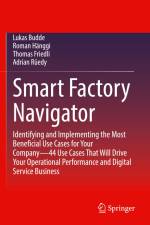
The digitization of factories promises great potential benefits. The implementation of the various technologies for the smart factory is extremely complex, requires new competencies and necessitates significant investments. The question is: How can an industrial company successfully manage this transformation? For this purpose, more than 500 published use cases were screened. These could be categorized into 44 relevant use cases, which we describe in detail in the book. Our research has also shown that strategy and goal orientation must be at the core of the change. Furthermore, the combination of employee knowledge and use of technology is central to success. This led to the creation of our smart factory implementation approach. In various research and consulting projects we were able to apply this process and realize successful implementations in different companies. This 7-step process starts with the selection of promising use cases, followed by a prioritization step, adaptation to the company-specific context and a detailing of the information needs for the different management levels. Stringent project management helps the user achieve positive results that can then be rolled out on a global scale. This process is not only applicable to the "e;actual factory"e; but can also be used to design smart services for the factory of tomorrow. ContentSmart factory definition and characterization The smart factory navigator The smart factory framework Description of the 44 use cases for the smart factory Technology mapping in relation to the 44 use cases Smart factory implementation process Smart services for the smart factory
In 'Bid & Proposal Management Using AI: Winning Proposals - From RFPs to a Winning Solution,' you will embark on a transformative journey through the convergence of cutting-edge Artificial Intelligence (AI) and the art of crafting winning bids. Tailored for mid-level executives and managers, this comprehensive guide unveils the power of AI at every stage of bid and proposal management. From analyzing RFPs and personalized content creation to real-time collaboration and performance tracking, discover how AI revolutionizes the process, enhancing efficiency, innovation, and success.Engage with examples, actionable strategies, and change management insights, ensuring seamless integration of AI and maximizing bid success rates.Propel your organization toward a future where AI-driven proposals redefine client engagement and drive unparalleled growth.
Abonner på vårt nyhetsbrev og få rabatter og inspirasjon til din neste leseopplevelse.
Ved å abonnere godtar du vår personvernerklæring.