




















Gjør som tusenvis av andre bokelskere
Abonner på vårt nyhetsbrev og få rabatter og inspirasjon til din neste leseopplevelse.
Ved å abonnere godtar du vår personvernerklæring.Du kan når som helst melde deg av våre nyhetsbrev.

Brought to you by Penguin. Do you dream of what you want to achieve in life - whether it's setting up your own business, getting in shape, or writing a novel - but never seem to get round to actually doing it? Does now just never feel like a good time to start?In January 2015, Shaa Wasmund made a decision: to finally get what she wanted. 3 years after packing in her business (and her salary) to take the plunge, life is everything she hoped it would be. And she has discovered that the key to getting what you want is within easy reach. It's all in the mind. In Want It Get It, entrepreneur and bestselling author Shaa Wasmund sets out her tried and tested methods for conquering fear and exploring new avenues of opportunity. In this simple and systematic guide, she will empower you to ditch the excuses and start living the life you've always wanted.
This book aims at catalyzing our learning from the COVID-19 crisis. Numerous studies have emerged confirming that during the COVID-19 pandemic, crisis management has been far from holistic. Progress previously made towards sustainability has in many cases been reversed and global inequality has grown. This volume scrutinizes the crucial role of businesses in the lived experience of the COVID-19 pandemic and calls for a new goal system in business, establishing human dignity as the ultimate outcome of sound business. Part of the Humanism in Business Series, this book brings together a group of international experts to consolidate the lessons to be learnt from the pandemic and how it was handled. It explores the foundations of the crisis, before focusing on selected sectors and regions for analysis and, finally, drawing conclusions according to the principles of humanistic crisis management. It will be of great interest to scholars and students of business ethics, as well as policy-makers, professionals and all those who practice humanistic management.
Finance your company's growth without losing your stake in itToo often, thanks to multiple rounds of equity investment, company founders wind up with only a small fraction of the businesses they start. But this situation isn't inevitable. The intelligent use of a variety of financing options--including debt financing--can help to maintain, or even grow, a founder's stake.In All Money Is Not Created Equal: The Entrepreneur's Guide to Finding the Right Funding for Your Business, renowned Silicon Valley veteran David Spreng delivers an expert guide for entrepreneurs and founders seeking to maintain as much ownership stake as possible in the companies they create as they move through the various stages of the financing process. The book draws on the author's decades of experience as a venture capitalist, venture debt lender, and CEO of a publicly traded company in Silicon Valley, as well as interviews with entrepreneurs, board members, investors, and bankers.Readers will also find:* A well-rounded and insightful perspective on the financing process informed by industry veterans* An informal and accessible exploration of a complex topic that remains critical to the success of entrepreneurs and founders* Discussions of alternatives to equity financing, including debt financing, in the growth phase of startupsAn essential handbook for startup founders, entrepreneurs, and managers, All Money Is Not Created Equal also deserves a place in the hands of company board members, venture capitalists, investors, and investment bankers interested in the company financing process.
This book concerns my recommendation how entrepreneur chooses to achieve whose marketing or/and economy or / and human resource strategy to achieve to raise organizational more efficiency and effectiveness. I shall indiate why some UK and US some large business organizations whose weakness and strengths to cause whose organizations inefficient and I shall give recommendation how they can change their marketing or/and economy or/and human resource ( organizational behavior) strategy to achieve more efficiency or effectiveness. I shall apply behavioral economy theory: choice to explain why UK and US some entrepreneur can apply choice concept to solve clients' shopping choice to choose to buy their products or consume their service. Cases include: hospital, supermarket, television, mobile phone etc. different products or services. Readers can make judgment how and why the entrepreneur can attract consumers to choose to consume their services or products. In organizational behavioral part, managers can apply choice concept to predict how and why their employees choose to do the kind of behaviors in any organizations. Organizations include: school, bank, baseball team, financial etc. different organizations. Readers can make judgement to feel how and why the organization employee chooses to do the kind of behavior in the organization.
Based on extensive interviews with industry leaders, Innovative to the Core: Stories from China and the World describes the components of innovative cultures, including both national culture and organizational culture and how they compare to the China model.
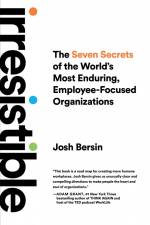
"In this leadership book, renowned industry analyst Josh Bersin introduces a new way to think about organizational design, employee engagement, and employee development. Distilled from decades of research and management theory into seven practical yet profound management principles, Bersin outlines how business leaders can create enduring companies that thrive with improved customer satisfaction, employee retention, and business agility." --provided by publisher.
Small By Design reveals how small business-to-business companies can deliver greater value and impact than their larger competitors-cultivating abundance, rather than size?when they unlock the competitive advantages of being small by design.
This book explores how culture and tradition have impacted the tendency for African women to opt for entrepreneurship.
Der globale Wettbewerb zwingt Unternehmen innovative Produkte und Dienstleistungen in immer kürzeren Innovationszyklen zu liefern. Um diese Performance leisten zu können müssen Zukunftstrends und Szenarien zahlreicher Branchen antizipiert und frühzeitig in Projekte und Zielsetzungen integriert werden, dabei können Experimente auch eine Rolle spielen.In diesem Buch stellen verschiedene Autoren aus Wissenschaft und Praxis unterschiedliche Entwicklungen, Zukunftstrends und Szenarien aus verschiedenen Bereichen der Industrien, dem Hochschuldbildungssektor und dem Gesundheitswesen dar. Leserinnen und Leser aus der Praxis erhalten Denkanstöße und Handlungsempfehlungen für Aktivitäten, im Rahmen der Gestaltung von Innovationskonzepten für die Zukunft, in ihrem Unternehmen oder Arbeitsfeld umsetzen können.
Abonner på vårt nyhetsbrev og få rabatter og inspirasjon til din neste leseopplevelse.
Ved å abonnere godtar du vår personvernerklæring.